
30 foundation problem signs, and what each one means
Each symptom below explains what the sign indicates, what typically causes it in Alabama's soil and climate, and how APS diagnoses and repairs the underlying problem.
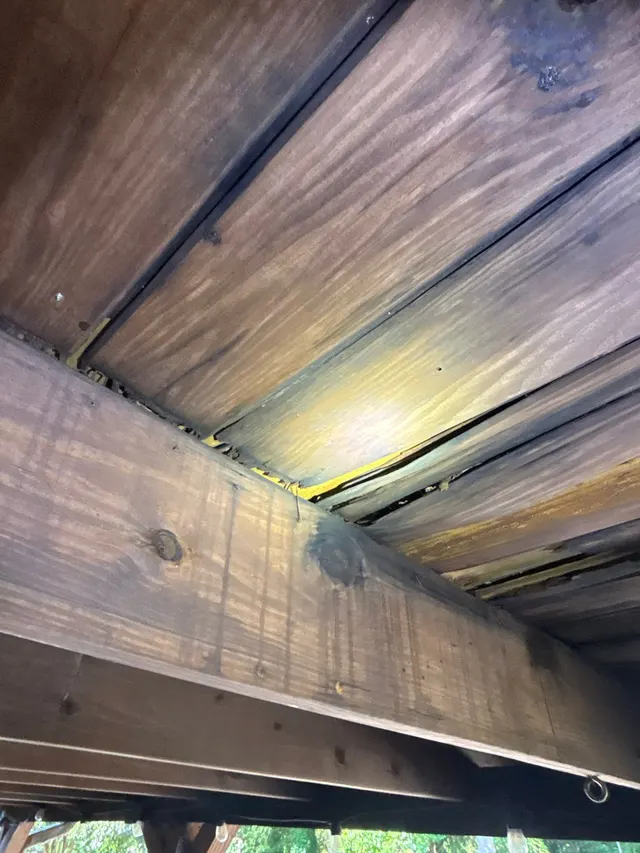
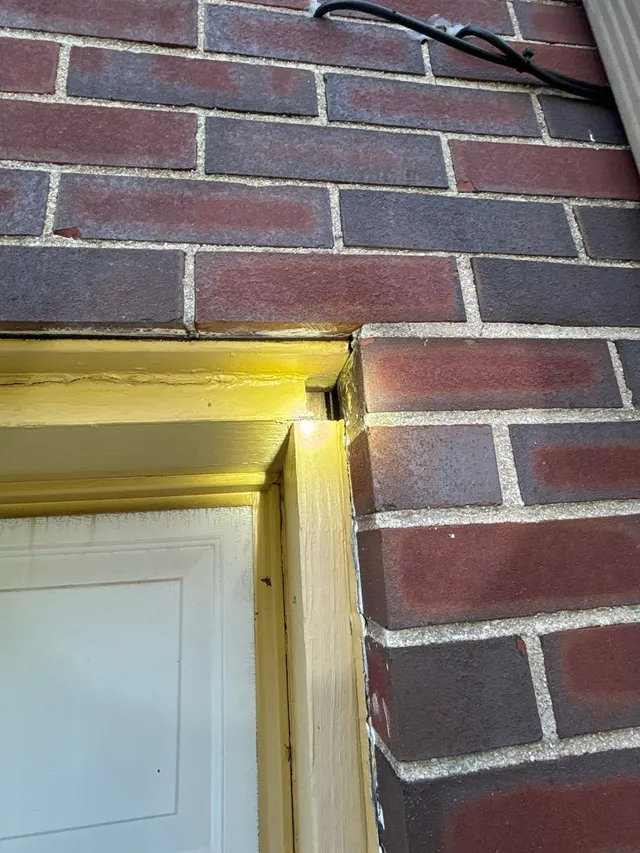
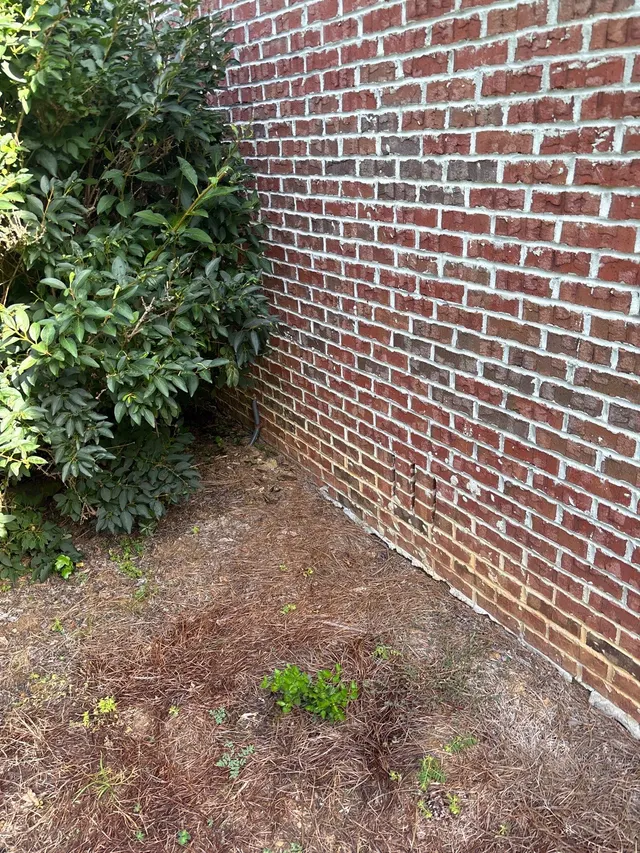
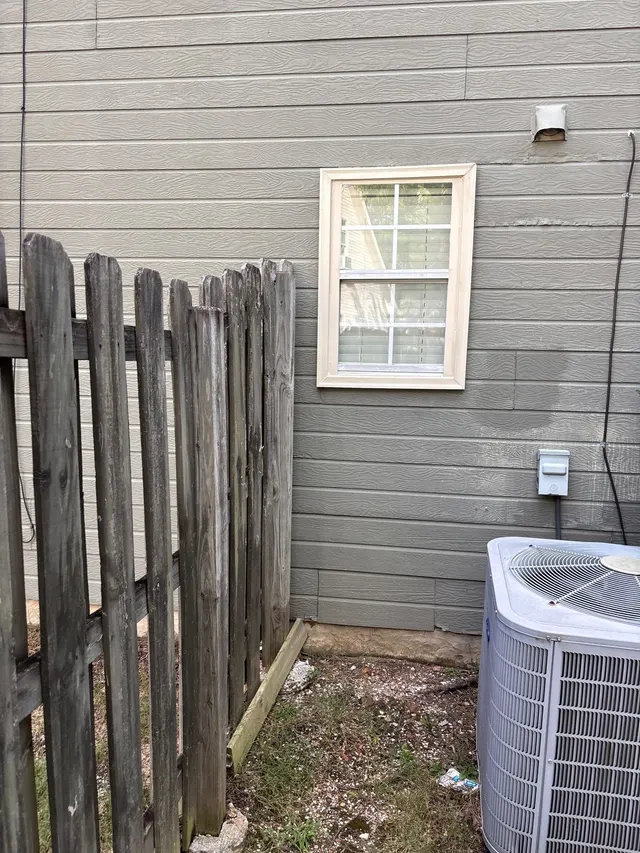
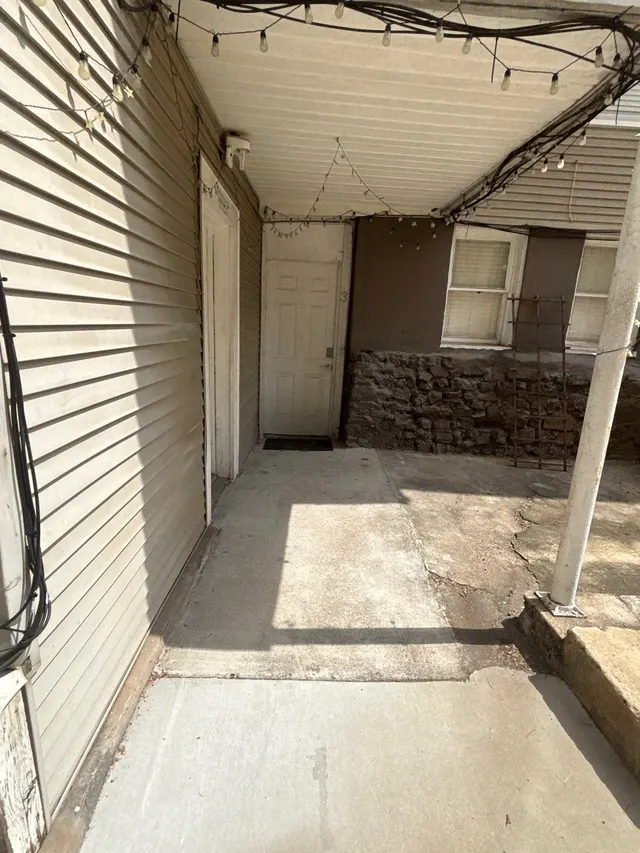
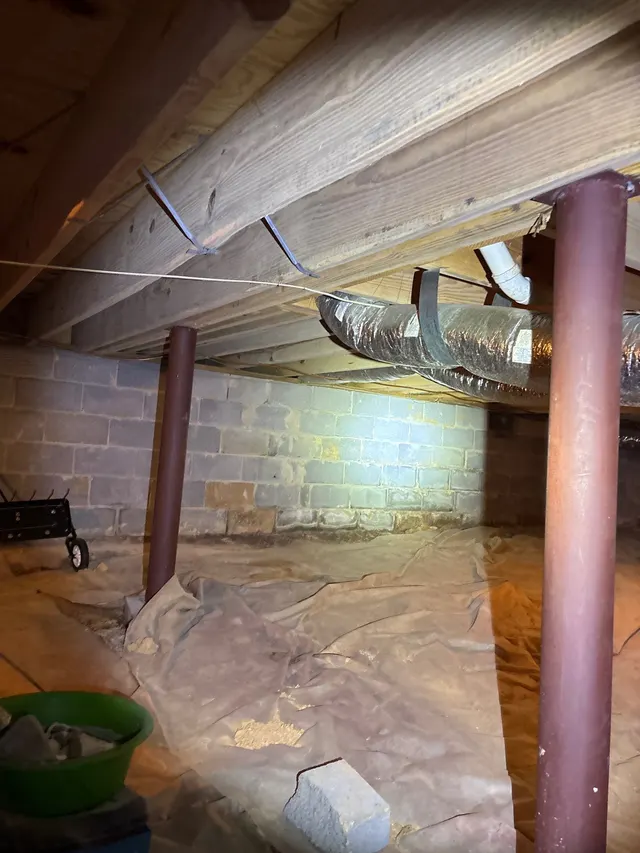
Foundation Upheaval
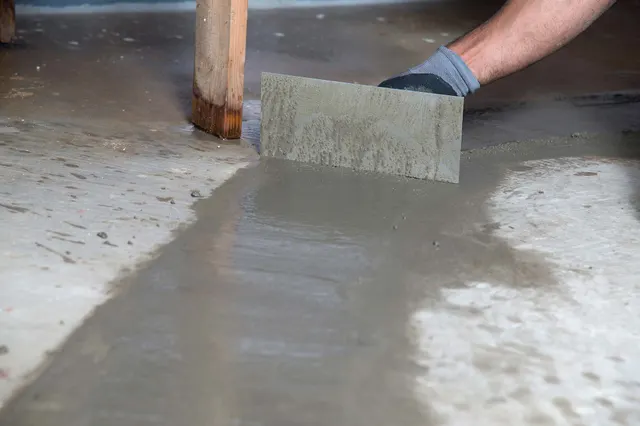
A rising slab is driven by expansive soil or plumbing leaks.
Foundation Upheaval
Gaps Between Walls and Ceiling
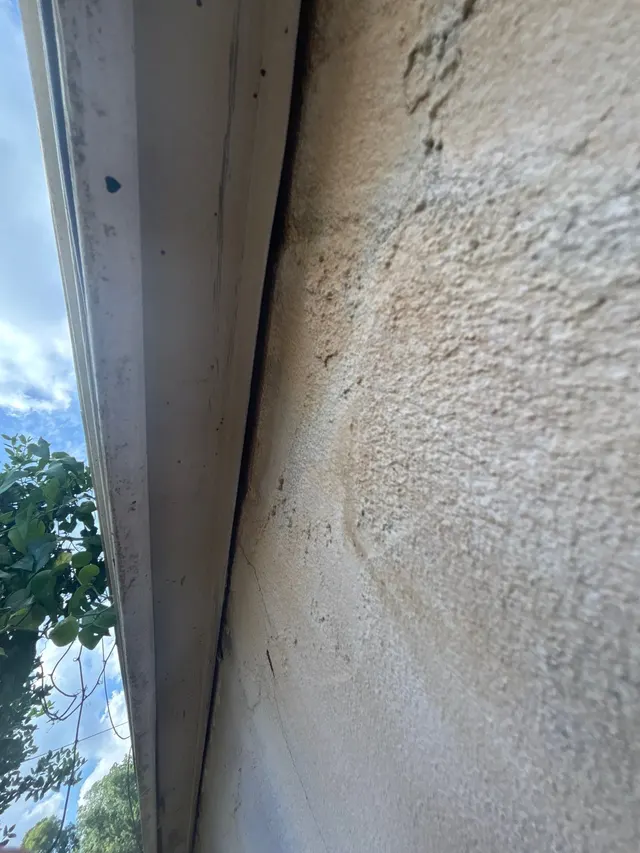
Wall-ceiling separation in one area often means that wall has settled.
Gaps Between Walls and CeilingLeaning or Separating Chimney
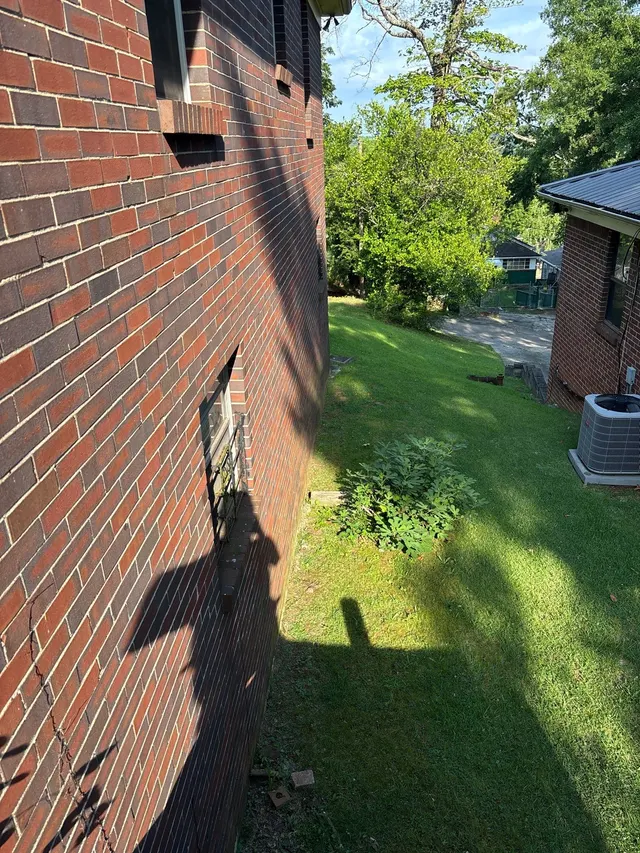
A leaning chimney has a footing settling independently of the house.
Leaning or Separating ChimneyDoors That Will Not Latch or Stay Closed
Latch misalignment across multiple doors signals structural racking.
Doors That Will Not Latch or Stay Closed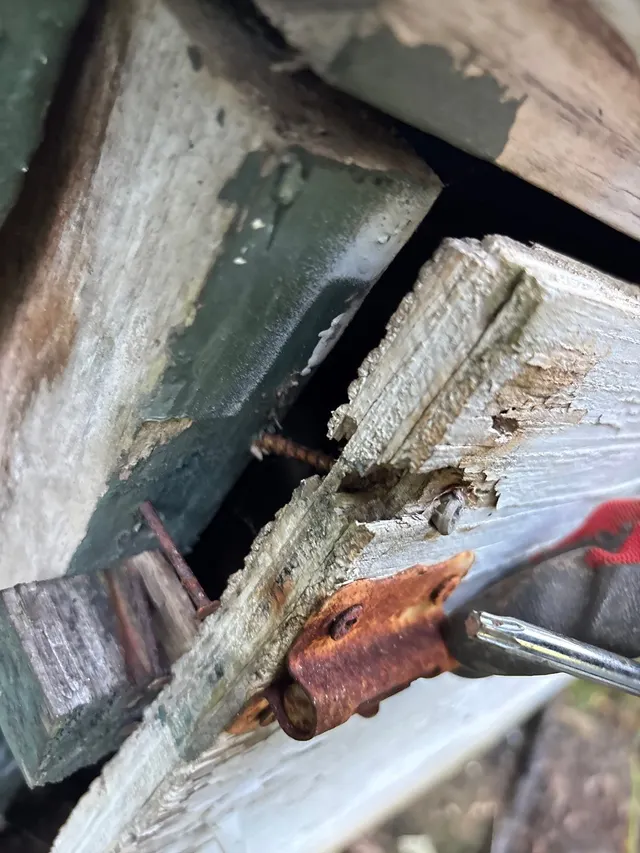
Wood Damage From Termites in Structural Framing
Termite damage leaves the same structural symptoms as rot.
Wood Damage From Termites in Structural Framing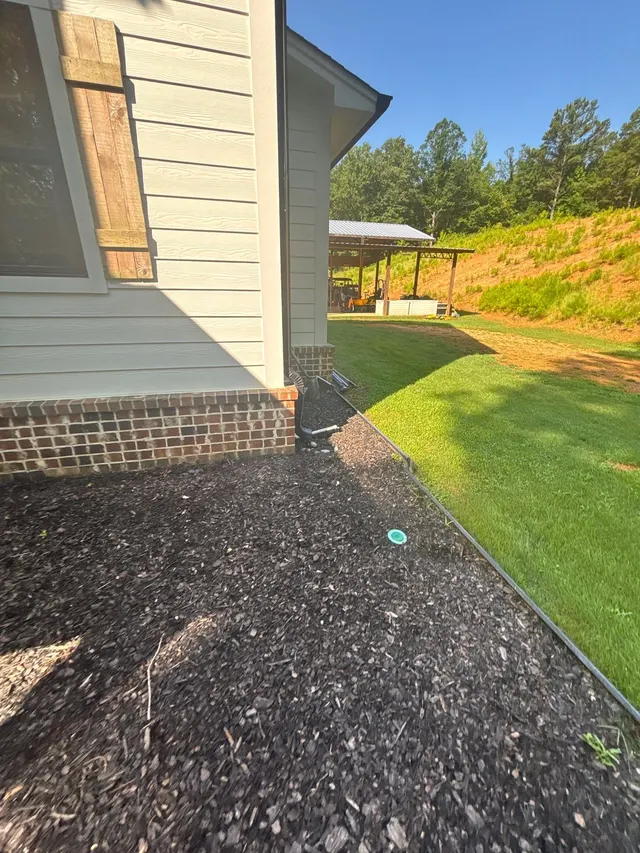
Expansive Soil Damage
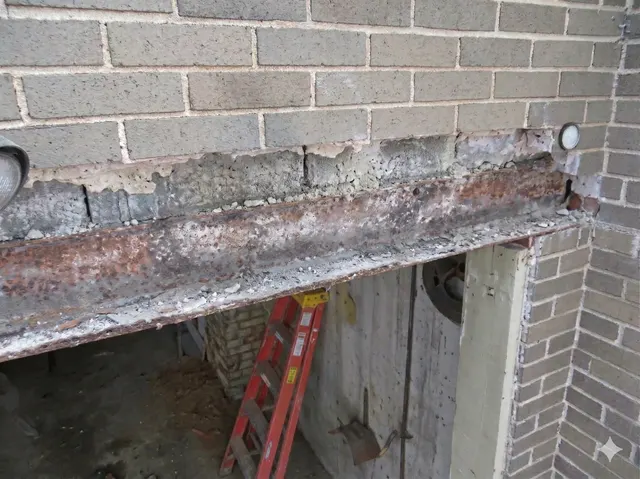
Alabama clay soils move with moisture, the most common hidden cause.
Expansive Soil Damage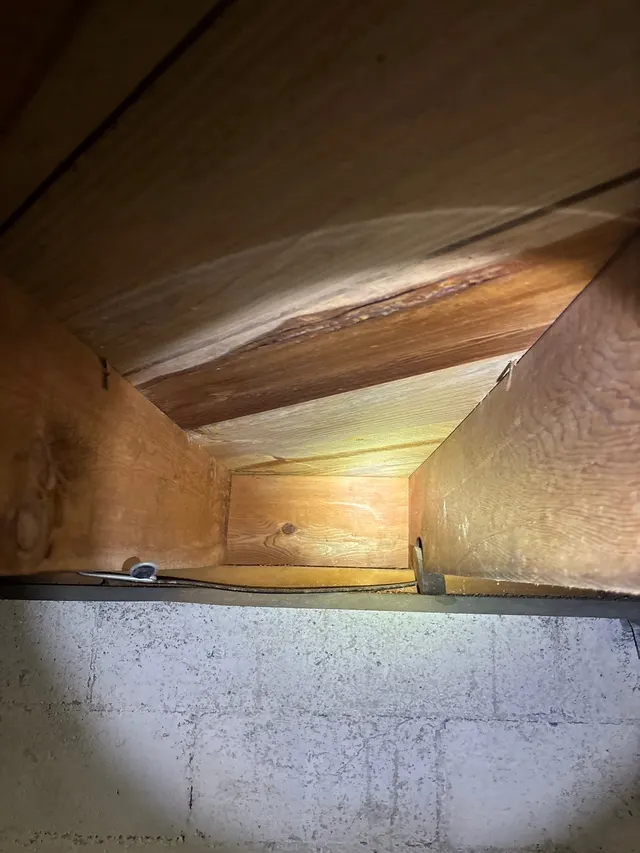
Cabinets Pulling Away From the Wall
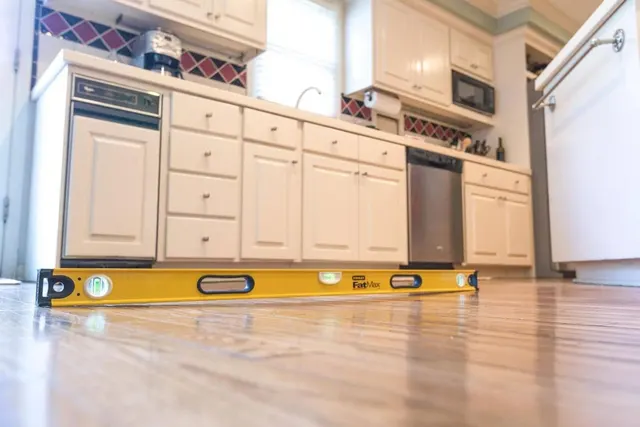
Cabinets pulling from walls may reflect floor slope or wall racking.
Cabinets Pulling Away From the Wall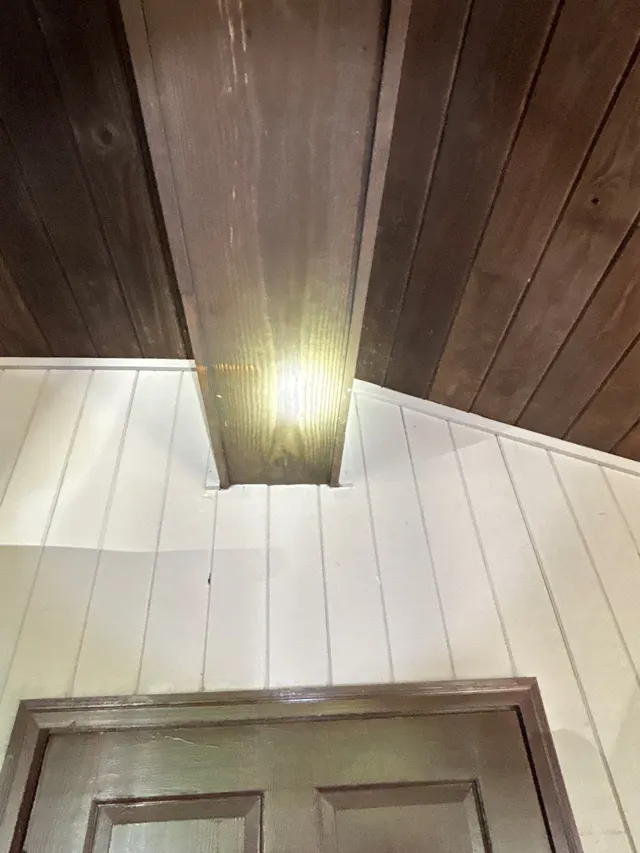
Large or Widening Cracks with Water Intrusion or Wall Displacement
Wide or displaced cracks indicate significant structural stress.
Large or Widening Cracks with Water Intrusion or Wall DisplacementCracked Floor Tiles or Grout Lines
Tile cracks when the substrate beneath it moves.
Cracked Floor Tiles or Grout Lines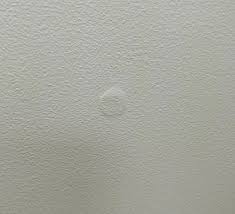
Failing or Blocked Flood Vents
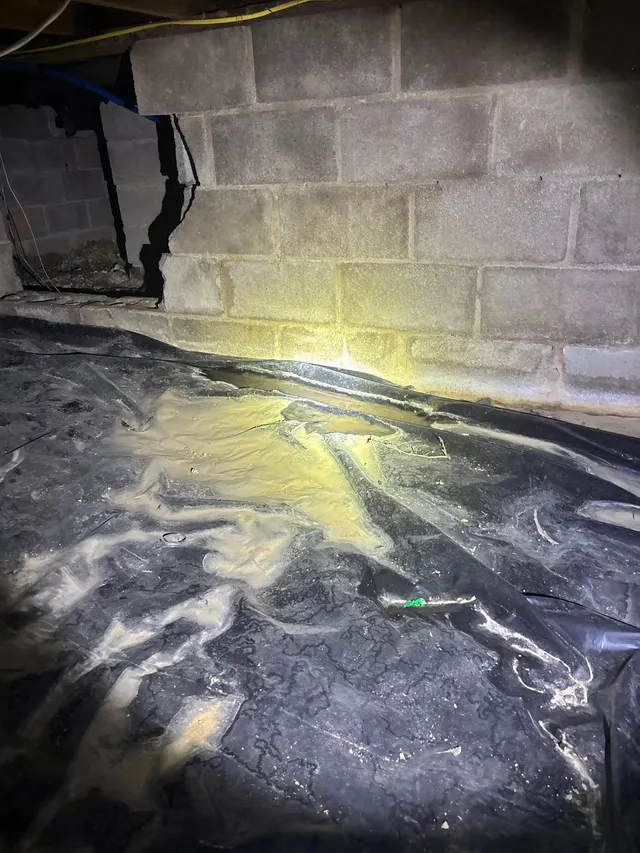
Blocked or absent vents allow damaging hydrostatic pressure.
Failing or Blocked Flood Vents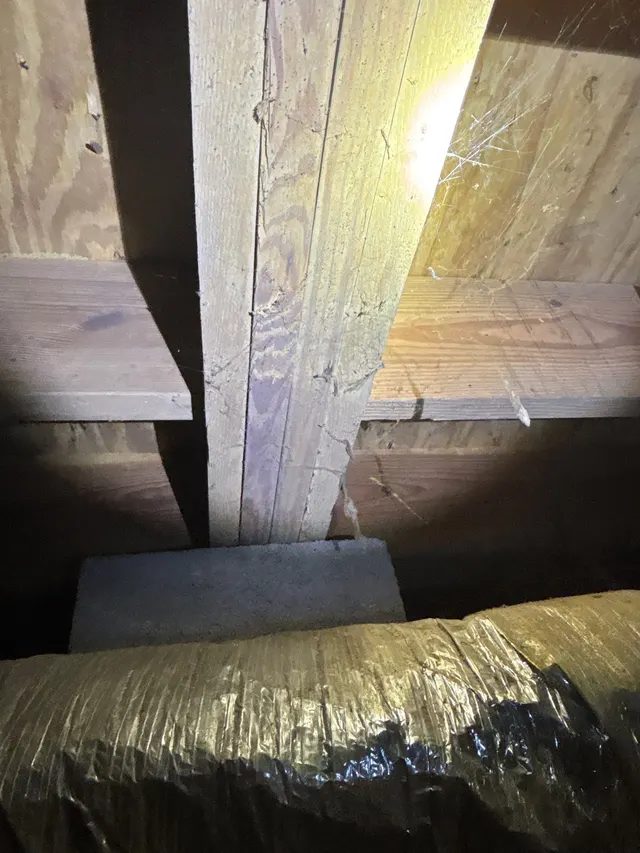
Not every warning sign is an emergency, but none should be permanently ignored. The earlier a foundation problem is identified, the simpler and less costly the repair. APS offers free, no-obligation inspections across Alabama and Columbus, GA.
Frequently asked questions
What are the most common signs of foundation problems?
The most common early signs include sticking doors and windows, diagonal cracks at the corners of door and window openings, uneven or sloping floors, stair-step cracks in brick or block exterior walls, and gaps forming between walls and ceilings. None of these should be ignored if they are new, progressive, or appearing in multiple locations.
How can I tell if foundation cracks are serious?
Width, orientation, and growth are the key indicators. Horizontal cracks in basement or crawl space walls are the most urgent, they indicate lateral soil pressure actively bowing the wall. Cracks wider than a quarter inch, cracks with one side higher than the other, and cracks that keep widening all warrant prompt professional evaluation.
Do all foundation problems show visible signs?
Not always. Some settlement is detectable only by elevation measurements, and early soil erosion beneath footings produces no visible symptoms until it has progressed. Annual self-inspection of crawl space members, foundation walls, and interior doors and windows can catch problems earlier.
When should I call a foundation repair specialist?
Call when symptoms are new and progressive, or when multiple symptoms are concentrated in the same area of the home. A free APS inspection costs nothing and confirms either that action is needed or that the symptom is not foundation-related.
Can foundation issues get worse over time if ignored?
Yes, in most cases. The soil conditions driving foundation problems, expansive clay, poor drainage, and settlement, do not stop acting on the structure. Catching problems early generally means fewer piers, less accumulated damage, and a better chance of a successful lift.