
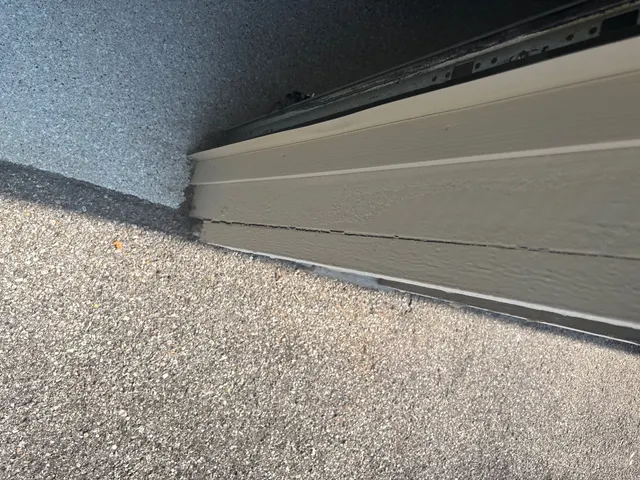
What Is Concrete Grinding?
Concrete grinding removes the raised lip where two slabs meet at different heights, creating a smooth, flush transition and eliminating the trip hazard. It is the right fix for minor height differences on sidewalks, walkways, and slabs, especially where a slab has heaved slightly from a tree root or minor settlement and lifting is not warranted. Grinding is fast, low-disruption, and immediately usable. For larger drops APS lifts the low slab with foam instead, and for surface deterioration it patches; grinding is specifically for shaving down a modest raised edge to a safe, level transition.
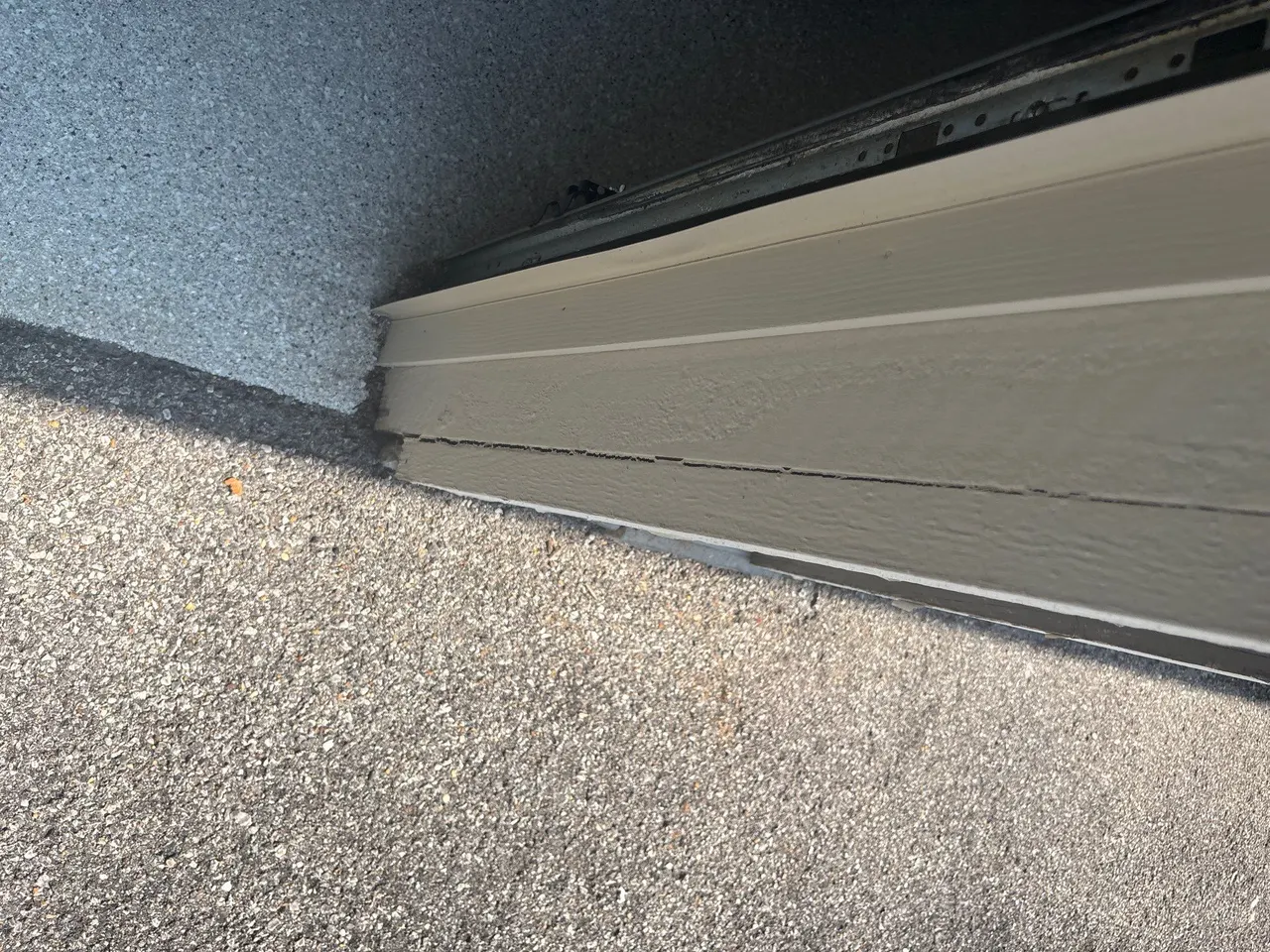
How Concrete Grinding Works
A walk-behind or handheld concrete grinder with a diamond wheel removes the raised concrete at the lip, tapering it down until the transition between slabs is flush and safe to walk over. The ground area is a matte, slightly lighter finish that blends with use. Because grinding only removes the high edge, it is quick and creates an immediately usable surface, which is why it is favored for trip-hazard remediation on sidewalks and walkways where the height difference is small.
“For a small lip, grinding is the fastest way to kill a trip hazard. For a real drop, we lift. We use the right tool for the height.”
How APS Installs Concrete Grinding
- 1
Measure the Height Difference
APS measures the lip and confirms grinding is appropriate, as opposed to lifting the low slab, which is used for larger drops.
- 2
Mark the Transition
The area to be ground is marked so the taper is smooth and the finished transition is flush.
- 3
Grind the Lip Down
A diamond grinder removes the raised concrete, tapering the high edge down to meet the adjacent slab.
- 4
Smooth and Clean
The ground surface is smoothed for a safe walking transition and the area is cleaned of dust and debris.
- 5
Optional Seal
Where appropriate, the ground area is sealed to protect the freshly exposed surface from water and staining.
What Concrete Grinding Costs and What Is Covered
Cost Range
Cost depends on the area and surface condition. APS provides a free written estimate after the assessment.
Warranty
APS in-house workmanship warranty plus manufacturer warranties on materials, both fully transferable to future owners
Frequently Asked Questions
When is grinding the right fix instead of lifting?
Grinding suits small height differences, roughly the size of a trip lip, where shaving the high edge flush is enough. For larger drops where a slab has clearly settled, APS lifts the low slab with foam so the whole surface returns to level.
Does grinding leave a mark?
The ground area has a matte, slightly lighter finish where the surface was removed, which blends over time with use. It is a small cosmetic trade-off for quickly removing a trip hazard.
Is the surface usable right away?
Yes. Grinding produces an immediately walkable, flush transition, which is part of why it is often chosen for trip hazards on sidewalks and walkways.
Can grinding fix a whole uneven driveway?
No. Grinding addresses localized lips, not broad settlement. A driveway that has sunk in sections needs the low slabs lifted, which APS does with polyurethane foam, sometimes combined with grinding for the final transitions.