

What Cracks in Concrete Tells You About Your Concrete Repair
Cracks in concrete appear in driveways, patios, walkways, garage floors, and slabs, ranging from fine surface lines to wide, displaced cracks where one side sits higher than the other. Hairline shrinkage cracks form as concrete cures and are largely cosmetic. Cracks that are widening, displaced, or paired with settlement point to soil movement and voids beneath the slab. In Alabama's expansive clay, both kinds are common, and the right response, sealing versus lifting and stabilizing, depends on whether the crack is a surface issue or a symptom of the ground moving underneath.
Expansive clay and heavy rain make cracked flatwork ubiquitous across Alabama, so APS routinely sorts cosmetic cracks from settlement cracks on driveways, patios, and slabs in its markets.
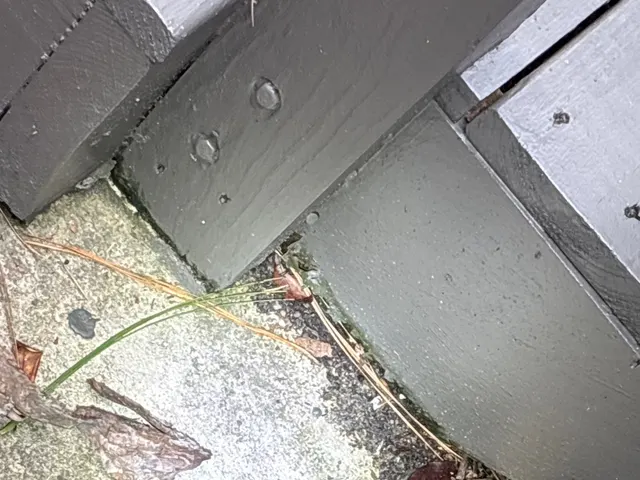
What Causes Cracks in Concrete in Alabama Homes
Shrinkage and Curing
Concrete shrinks slightly as it cures, producing fine surface cracks that are usually cosmetic and stable. These are the most common and least serious cracks.
Settlement and Voids Beneath the Slab
When the soil under a slab settles or washes out, the unsupported concrete cracks and drops. These cracks are often wider, displaced, and progressive, and they signal a support problem.
Expansive Clay Movement
Alabama clay swelling and shrinking flexes slabs and drives cracking, especially where slabs are large or lack adequate control joints.
Missing or Failed Control Joints
Without properly placed joints to control where concrete moves, slabs crack randomly. Failed joint sealant also lets water in to erode the base and worsen cracking.
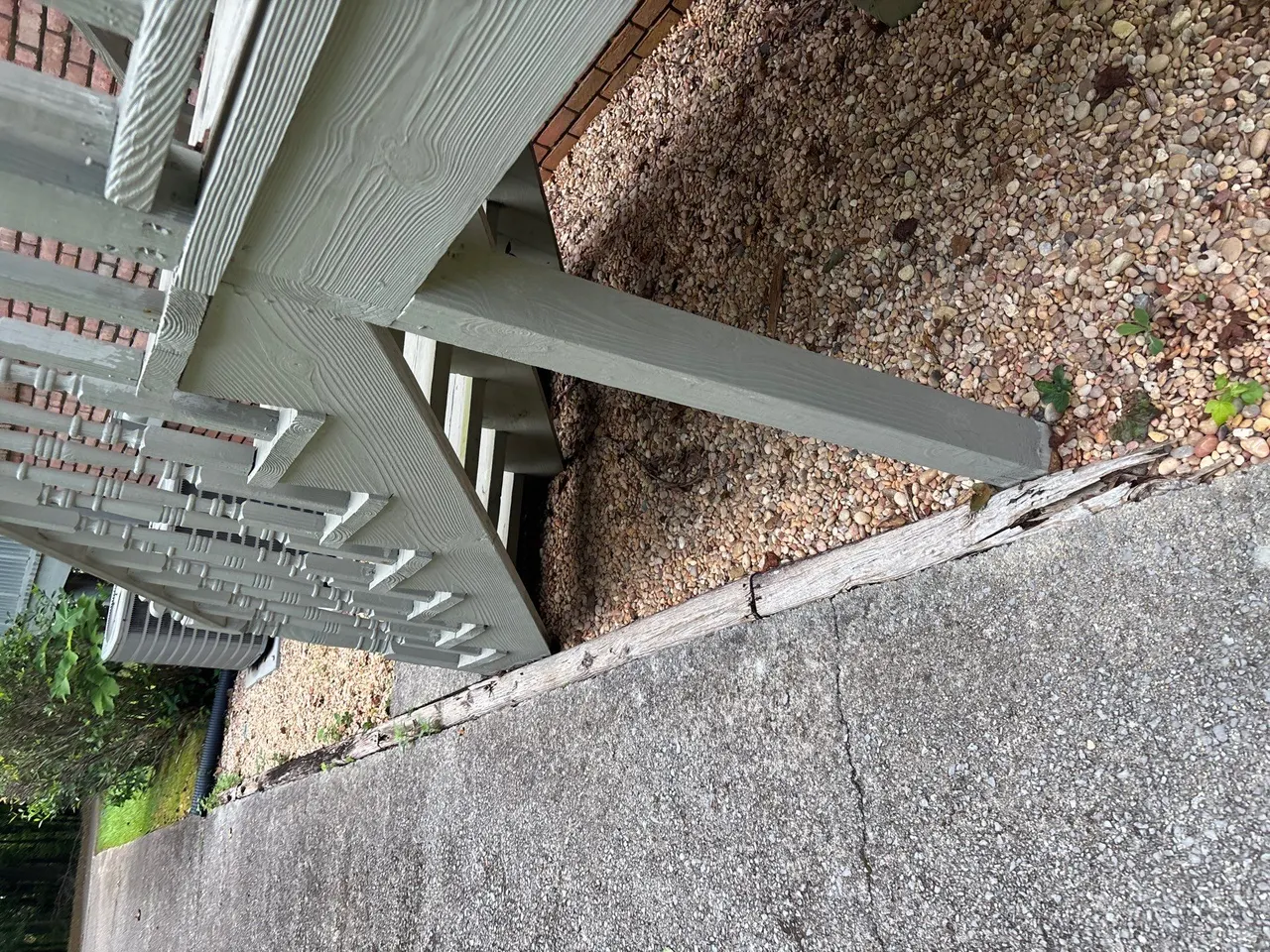
Signs You Should Not Ignore
- Cracks that are widening over time
- One side of a crack sitting higher than the other
- Cracks paired with sinking or uneven slabs
- Water entering cracks and joints
- Cracks radiating from a low or tilted section
How We Diagnose and Repair the Problem
- 1
Free On-Site Assessment
An APS technician visits your property, documents the symptom and severity, and reviews all related indicators to build a complete picture.
- 2
Root Cause Diagnosis
Stable surface cracks are cleaned and sealed to keep water out; cracks caused by settlement are addressed by lifting and stabilizing the slab with polyurethane foam first, then sealing.
- 3
Written Estimate
You receive a clear written scope of work and cost estimate before any repair begins. No obligation.
- 4
Repair With Transferable Warranty
All APS foundation repairs carry a warranty that transfers to future owners. Serving Birmingham, Mobile, Huntsville, and Columbus, GA.
“The crack tells us where, but the dirt under the slab tells us why. We fix the cause first, then seal the crack so it stays fixed.”
Frequently Asked Questions
Are cracks in my concrete serious?
It depends. Fine, stable shrinkage cracks are cosmetic. Cracks that are widening, displaced, or accompanied by settlement indicate the soil beneath is moving, which is a support issue worth addressing before it worsens.
Should I just fill the cracks?
Sealing is right for stable surface cracks and to keep water out of joints. But if a crack is caused by settlement, filling it alone ignores the void underneath, so APS stabilizes the slab first, then seals.
Why does concrete crack in Alabama so much?
Expansive clay soils swell and shrink with moisture, flexing slabs, and rainfall erodes the base. Together they drive both movement cracks and settlement, which is why crack repair here often ties back to the soil.
Can APS tell cosmetic cracks from structural ones?
Yes. APS looks at crack width, displacement, whether it is growing, and whether the slab has settled, then recommends sealing, stabilizing, or both. You get an honest read in the assessment.