
What Sinking or Settling Foundation Tells You About Your Foundation Repair
A sinking foundation shows up as portions of the house visibly dropping relative to other sections. You may notice sloping floors, doors and windows that no longer operate correctly, gaps forming between walls and ceilings, or exterior steps pulling away from the house. Brick homes often display stair-step cracking in the mortar joints on the side of the house that has dropped.
Alabama's clay-heavy Piedmont soils, particularly in the Birmingham and Huntsville corridors, experience some of the most dramatic shrink-swell cycles in the Southeast. Homes built in the 1960s through 1980s on original construction pads are most vulnerable. In Huntsville's karst limestone zones, sinkhole-related settlement is an additional risk that requires site-specific assessment before selecting a pier system.
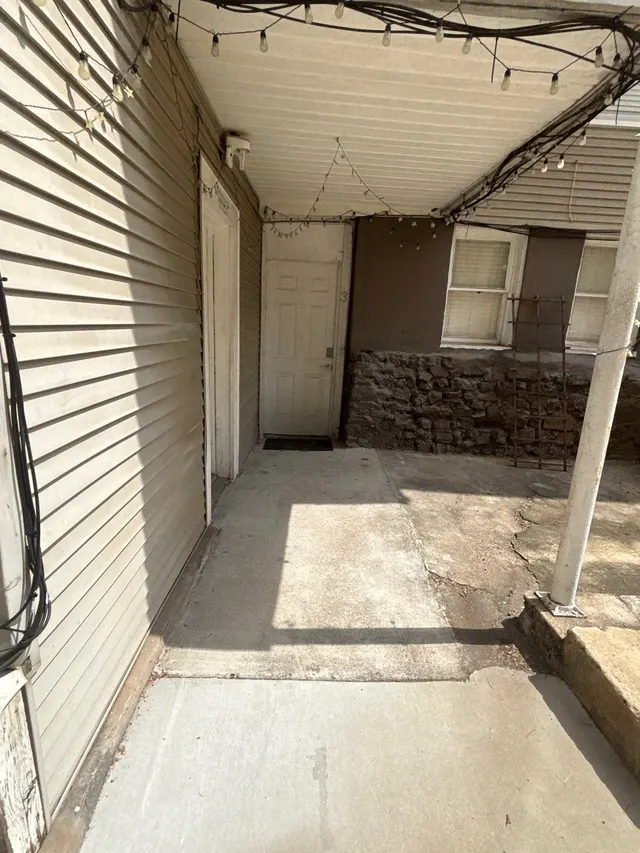
What Causes Sinking or Settling Foundation in Alabama Homes
Expansive Alabama Clay Soil
Alabama's clay-rich soils shrink dramatically during summer droughts and swell when rain returns. This shrink-swell cycle gradually compresses and destabilizes the soil under footings, causing uneven settlement, often accelerating in years with severe drought.
Erosion of Soil Under Footings
Poor surface drainage, failed gutters, or plumbing leaks can wash fine soil particles away from beneath footings over years, creating voids that allow the foundation to drop suddenly or progressively.
Organic Soil Decomposition
Some Alabama building sites, particularly those that were formerly wooded or had buried tree stumps, contain pockets of organic material that compresses and decays over time, causing localized sinking.
Inadequate Original Soil Compaction
Homes built on fill soil that was not properly compacted at construction often experience settlement years or decades later as the fill gradually densifies under the structure's weight.
Plumbing Leaks Beneath the Slab
Slow leaks in under-slab plumbing saturate and erode soil beneath the foundation, softening bearing capacity and triggering localized settlement above the leak.
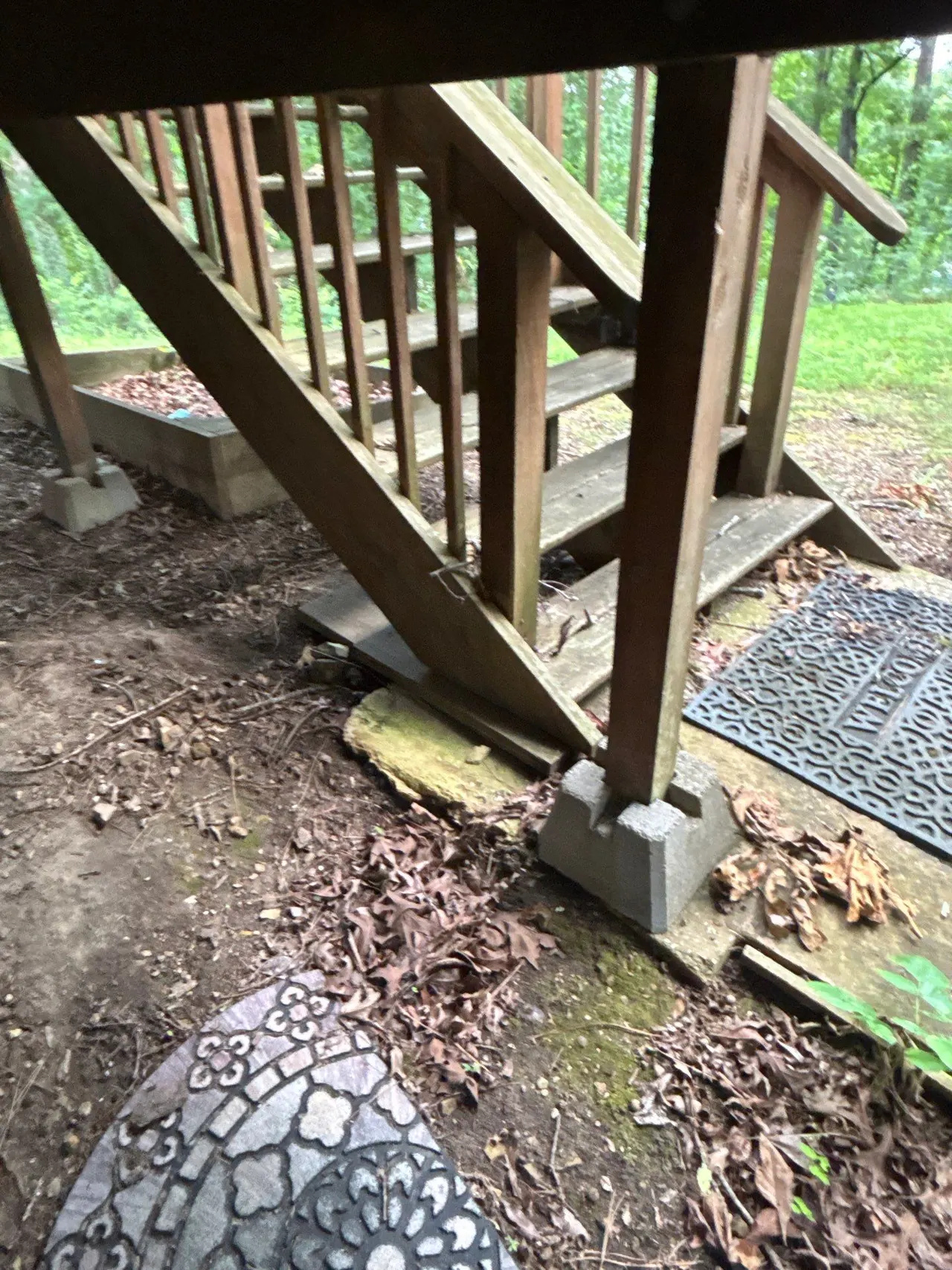
Signs You Should Not Ignore
- Floors that slope noticeably toward one area of the house
- Doors or windows sticking on one side of the structure but not the other
- New diagonal cracks at door or window corners
- Exterior steps or stoops pulling away from the house
- Visible gap between wall and ceiling that was not there before
How We Diagnose and Repair the Problem
- 1
Free On-Site Assessment
An APS technician visits your property, documents the symptom and severity, and reviews all related indicators to build a complete picture.
- 2
Root Cause Diagnosis
Push piers are driven through unstable soil to bedrock or load-bearing strata, then used to stabilize and often raise the foundation to its original elevation.
- 3
Written Estimate
You receive a clear written scope of work and cost estimate before any repair begins. No obligation.
- 4
Repair With Transferable Warranty
All APS foundation repairs carry a warranty that transfers to future owners. Serving Birmingham, Mobile, Huntsville, and Columbus, GA.
“Alabama clay is one of the most active soils we work with, a single dry summer can drop a footing several inches if the soil beneath it was already marginal. The longer you watch it, the more expensive the fix.”
Frequently Asked Questions
Can a sinking foundation be raised back to its original level?
In many cases, yes. Once piers reach load-bearing soil or bedrock, hydraulic lifting equipment can raise the foundation, often recovering much or all of the lost elevation. The amount of lift achievable depends on how long settlement has occurred and the condition of interior finishes. APS evaluates each situation individually.
What is the difference between push piers and helical piers for sinking foundations?
Push piers are hydraulically driven into the ground using the weight of the structure and are best suited for heavier structures where the foundation loads can overcome pier installation resistance. Helical piers are screwed into the ground and work well for lighter structures, additions, or sites where access or load is limited. APS engineers select the right system for your home.
How long does pier installation take?
Most residential foundation pier installations are completed in one to two days. Work is done from inside or outside the home through small excavations at the foundation. Most homeowners can remain in the house during the process.
Will the repair affect my home's resale value?
A properly engineered and warrantied foundation repair with transferable documentation typically protects and can improve resale value by resolving a material defect that would otherwise surface in a buyer's inspection. Leaving an active settlement issue unrepaired is far more damaging to value.