
What Uneven or Sloping Floors Tell You About Your Foundation Repair
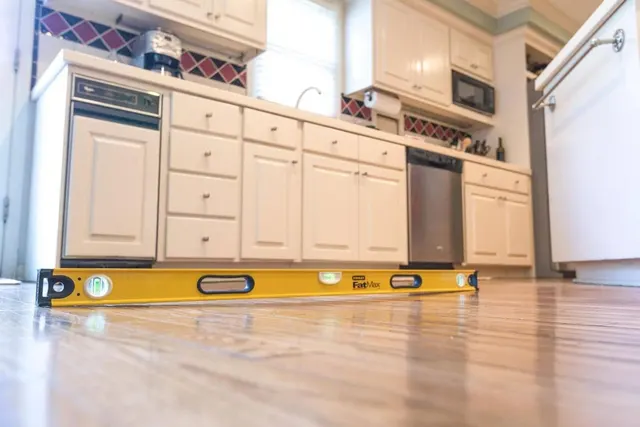
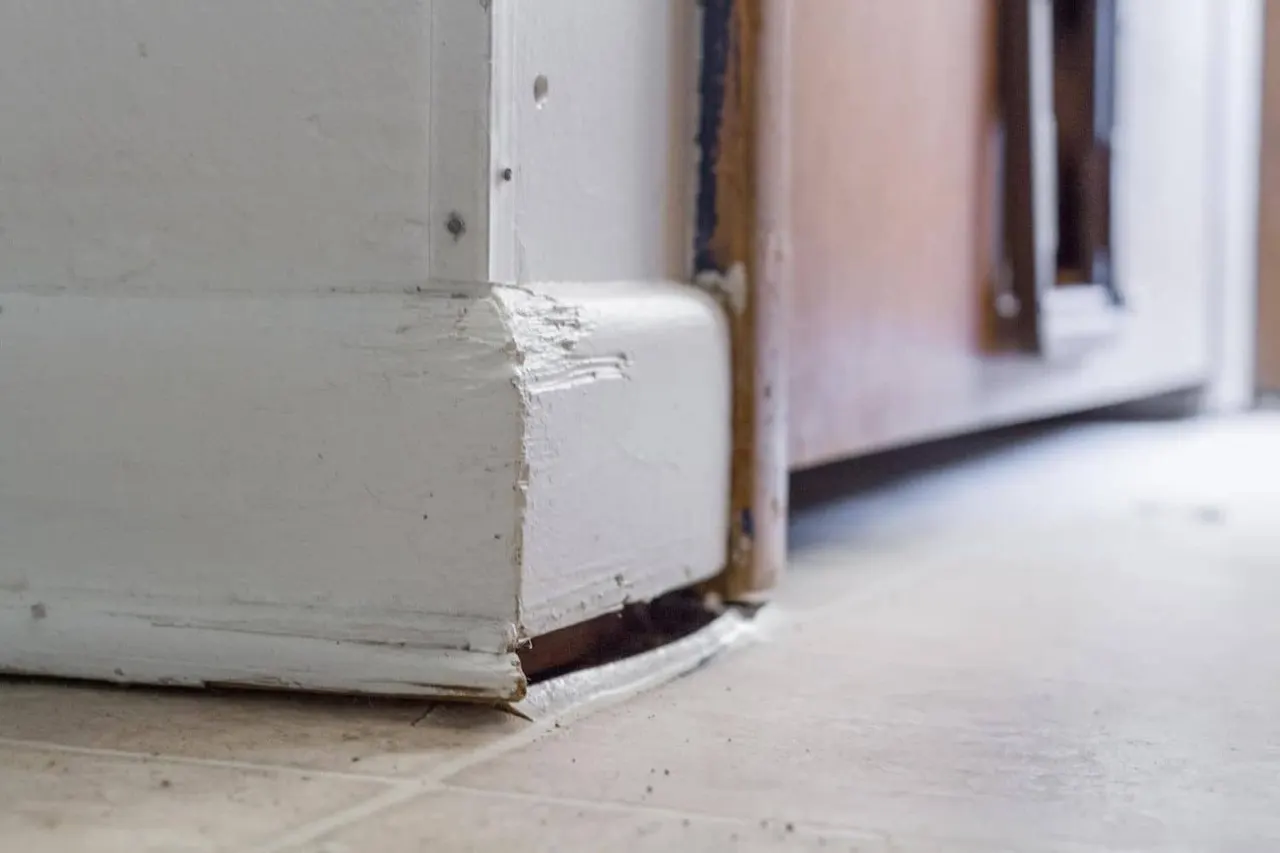
Uneven floors manifest as rooms that noticeably slope toward one end, rolling marbles, furniture that rocks on level carpet, tile grout cracking in a pattern across the floor, or the unmistakable feeling of walking uphill through your own home. Gaps may appear where baseboards meet the floor as the floor moves away from the wall. In severe cases, door clearances change and thresholds become tripping hazards.
Alabama's seasonal drought cycle makes floor unevenness a recurring topic, especially in clay-slab homes in Birmingham's southern suburbs and in Huntsville. Some homeowners learn to recognize the seasonal pattern, but recurring movement that grows worse each cycle still warrants evaluation.
What Causes Uneven or Sloping Floors in Alabama Homes
Foundation Settlement
When one or more footings sink into unstable soil, the floor system above follows. The result is a floor that slopes toward the settled section. Alabama clay shrinkage during drought is a leading trigger.
Crawl Space Support Failure
Homes with crawl spaces depend on interior support posts to carry mid-span floor loads. When these posts rot, shift, or lose their footing due to moisture or poor soil, the floor drops in the center of rooms, producing a bowl or sag that reads as unevenness.
Slab Settlement
In slab-on-grade homes, voids forming under the slab allow sections to drop or crack, creating step-ups or ramps in what should be a flat floor surface.
Seasonal Clay Shrink-Swell
In Alabama, active clay beneath a slab or crawl space moves seasonally. Some floor unevenness is cyclical, floors slope more in fall after a dry summer and partially recover after winter rains.
Signs You Should Not Ignore
- Slope measurable with a level, more than 1 inch over 10 feet
- Tile cracking in a line or grid pattern across the floor
- Visible gaps between baseboards and flooring
- Doors dragging on the floor or no longer latching
- Floor feels soft or springy in crawl space homes
How We Diagnose and Repair the Problem
- 1
Free On-Site Assessment
An APS technician visits your property, documents the symptom and severity, and reviews all related indicators to build a complete picture.
- 2
Root Cause Diagnosis
Crawl space support posts address mid-span sag; push piers or helical piers fix perimeter foundation settlement; polyurethane foam injection lifts settled slab sections.
- 3
Written Estimate
You receive a clear written scope of work and cost estimate before any repair begins. No obligation.
- 4
Repair With Transferable Warranty
All APS foundation repairs carry a warranty that transfers to future owners. Serving Birmingham, Mobile, Huntsville, and Columbus, GA.
“The first question we ask is whether the unevenness has always been there or whether it is new. New is always the more urgent conversation.”
Frequently Asked Questions
How much floor slope is acceptable?
Building codes generally allow up to 1/8 inch per foot of floor slope for finished floors. More than that is noticeable and often indicates an underlying structural issue. A slope exceeding 1 inch over 10 feet warrants a professional evaluation.
My floors have always been a little uneven, do I still need to worry?
Floors that have been slightly uneven since the home was built and have not changed are usually not an urgent concern. The danger sign is change, floors that are noticeably more sloped than they were, or that are newly uneven in a home that previously felt level. Change indicates active movement.
Can you fix uneven floors without tearing up the flooring?
In most cases, yes. Crawl space support posts are installed from below. Foundation piers are installed from the exterior through small excavations. Polyurethane foam is injected through dime-sized holes in the slab. Floor coverings are typically not disturbed.
Will my floors be perfectly level after repair?
The goal is stabilization, stopping further movement and, where possible, recovering elevation. Full restoration to perfectly level is not always achievable, especially if settlement has been occurring for years and interior finishes have settled into position. APS will give you a realistic picture of expected results before work begins.