

What Is Crawl Space Ventilation?
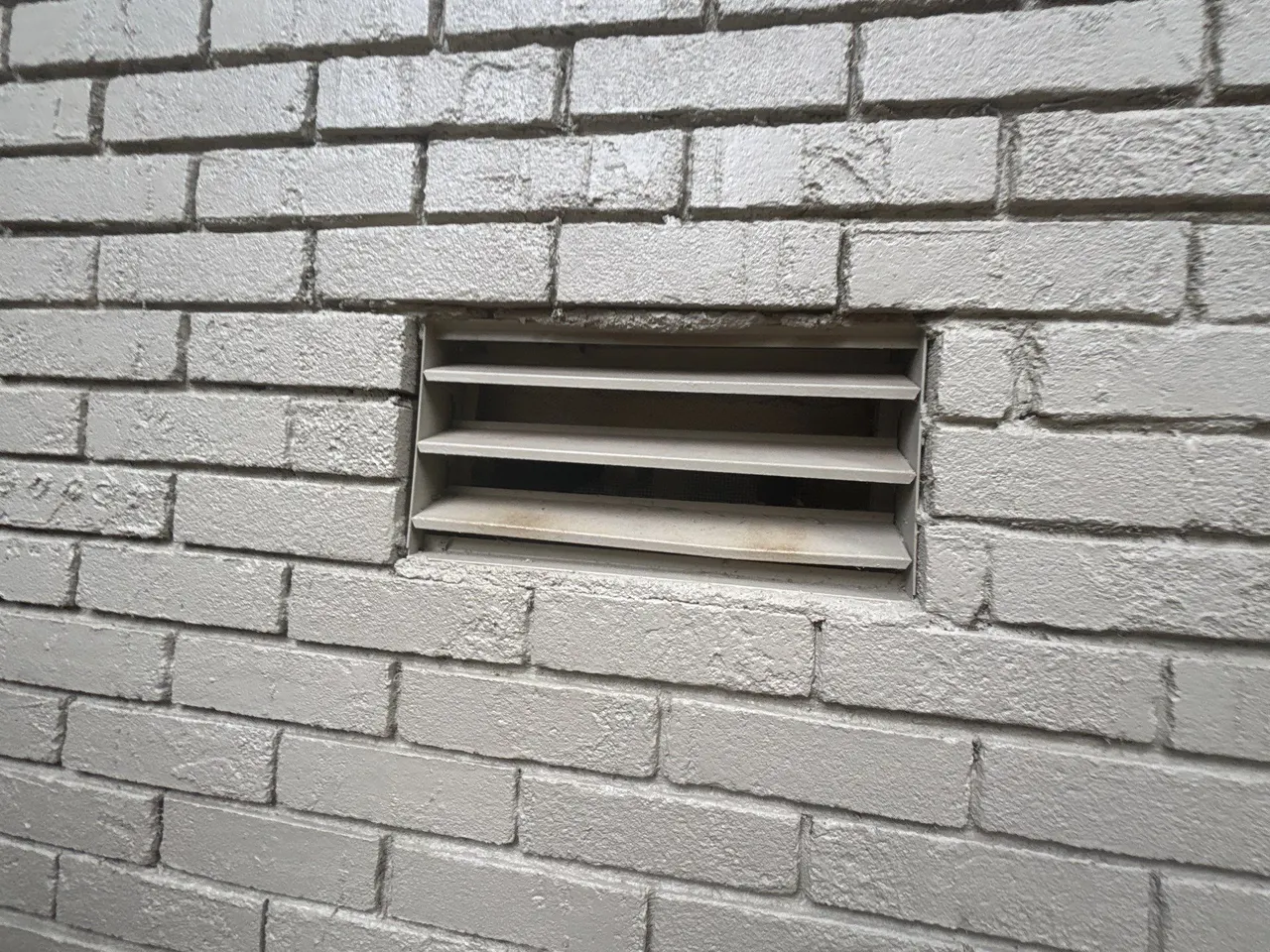
Crawl space ventilation is the strategy for managing air and moisture under the house. For decades homes were built with open foundation vents on the theory that outside air would keep the space dry. In Alabama's humid climate that logic works backward: warm, moist outdoor air enters the vents and condenses on the cooler crawl space surfaces, adding water rather than removing it. APS uses the modern sealed and conditioned approach, closing the vents, sealing the space, and controlling humidity so the air under the home is dry and stable. Correct ventilation is a core part of encapsulation and is chosen based on the specific crawl space, its moisture sources, and the home's HVAC.
How Crawl Space Ventilation Works
Rather than exchanging conditioned interior conditions for humid outdoor air, a sealed crawl space is closed off from the outside and its air is controlled from within. Foundation vents are sealed, the space is lined with a vapor barrier, and humidity is managed with a dehumidifier or a small supply of conditioned air. Because the crawl space is no longer taking on outdoor moisture, the framing and insulation stay dry, condensation stops forming on cool surfaces, and the air that rises into the home through the stack effect is clean and dry.
“In Alabama, venting a crawl space to the outside is like leaving a humid window open under the house. We seal it and control the air instead.”
How APS Installs Crawl Space Ventilation
- 1
Assess Airflow and Moisture
APS evaluates the existing vents, moisture sources, and how crawl space air is moving into the home, then determines the right sealed-ventilation approach.
- 2
Address Water and Seal the Ground
Any drainage or water issues are handled first, and the crawl space floor is sealed with a vapor barrier so ground moisture stops entering the air.
- 3
Seal the Foundation Vents
Open vents are sealed to stop humid outdoor air from entering and condensing on cool surfaces inside.
- 4
Control the Humidity
A dehumidifier or a measured supply of conditioned air is set up to hold the crawl space at a healthy humidity level year round.
- 5
Verify a Dry, Stable Space
APS confirms the space stays dry, condensation has stopped, and the air quality reaching the home is improved.
What Crawl Space Ventilation Costs and What Is Covered
Cost Range
Cost depends on the crawl space size, access, and system specified. APS provides a free written estimate after the assessment.
Warranty
APS in-house workmanship warranty plus manufacturer warranties on system components, both fully transferable to future owners
Frequently Asked Questions
Do not crawl spaces need vents to breathe?
That was the old building assumption, but in a humid climate like Alabama's, open vents let warm moist air in that condenses on cool crawl space surfaces and makes the space wetter. Current practice is to seal the crawl space and control its air, which keeps it dry.
Is sealing the vents the same as encapsulation?
Sealing vents is one part of it. Full encapsulation also lines the space with a vapor barrier and adds humidity control. APS treats ventilation strategy and encapsulation together because they solve the same moisture problem.
Will sealing the crawl space cause moisture to build up inside it?
No, because the space is dried and humidity is actively controlled after sealing. The moisture problem in a vented crawl space comes from the outdoor air and the bare ground, both of which sealing and dehumidification remove.
How does this affect my energy bills?
A sealed, dry crawl space usually lowers energy use, because your HVAC no longer reconditions humid air pulled up from below and the floors above stay closer to a comfortable temperature.