
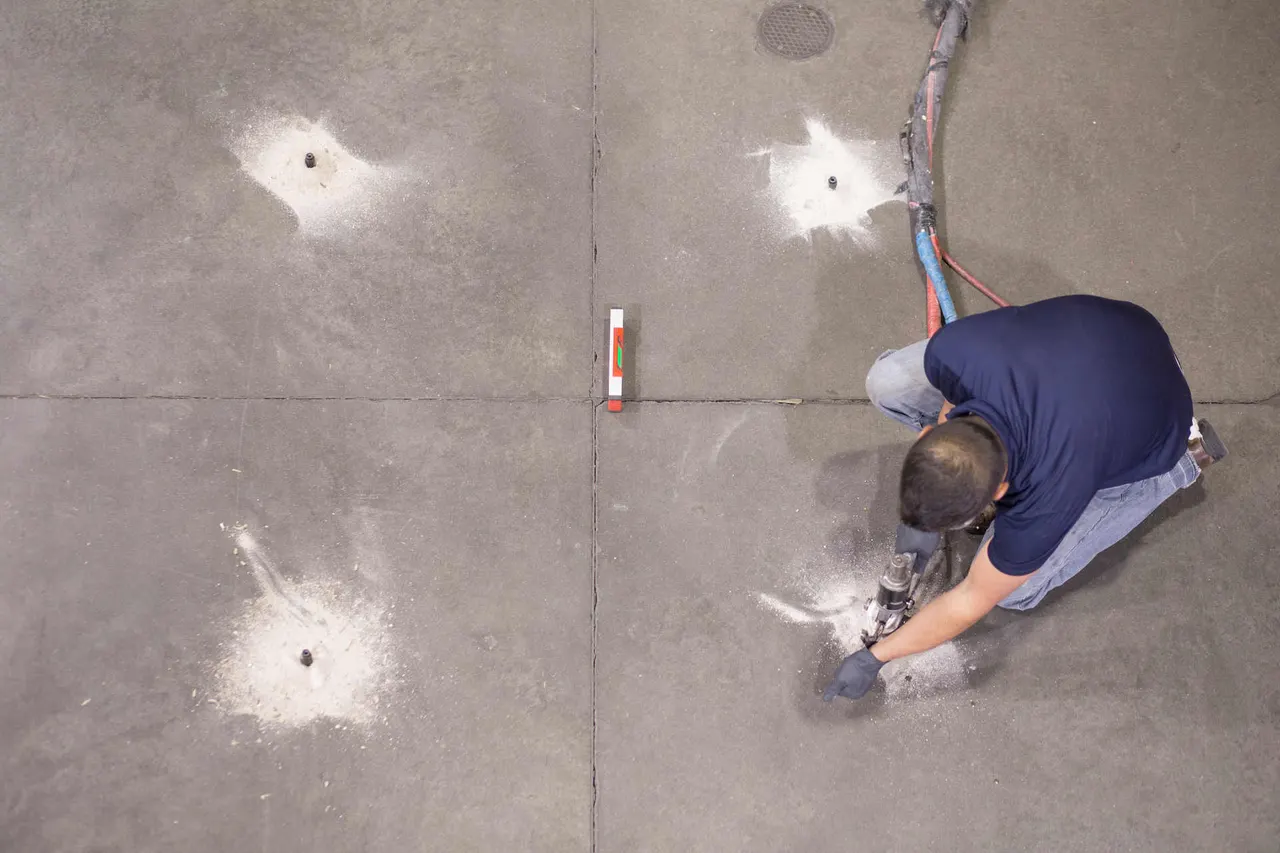
What is foundation crack repair?
Foundation cracks range from cosmetic hairlines to structural failures, and the difference matters. APS has diagnosed and repaired foundation cracks across Alabama since 1977, using epoxy injection for load-bearing structural repairs and polyurethane foam for active seeping cracks.
Hairline cracks in poured concrete are common as concrete cures and are usually cosmetic. Cracks wider than a quarter inch, horizontal cracks, stair-step cracks in block walls, or cracks with displacement point to structural movement that needs an engineering assessment before sealing.
We always determine the root cause first. Sealing a crack caused by ongoing soil settlement, without addressing the settlement, produces a sealed crack that reopens. Our inspectors assess drainage, soil, and structural load before writing an estimate.
"A sealed crack that reopens six months later means the root cause was never addressed. We assess why the crack formed before recommending how to seal it."
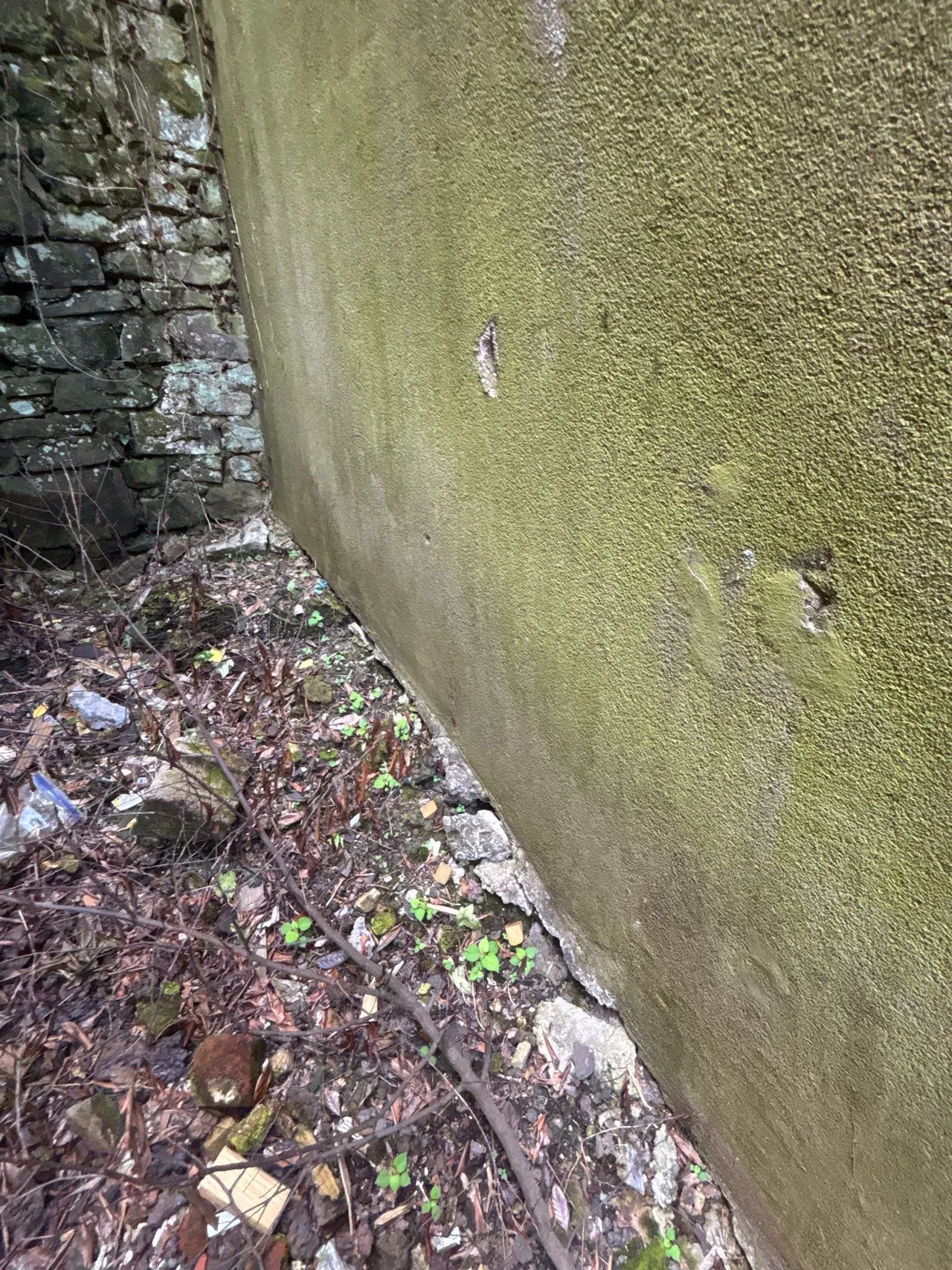
The right injection for the right crack
We match the method to the crack, never the other way around.
Epoxy Injection
Epoxy bonds cracked concrete back into a monolithic section with strength that exceeds the original concrete. It is the right choice for dry, stable structural cracks.
Polyurethane Foam
Polyurethane foam expands on contact with moisture to create a flexible, waterproof seal. It is the correct method for cracks that are actively leaking under water pressure.
How APS approaches foundation crack repair
- 1
Free On-Site Assessment
We inspect the crack, measure width and displacement, and assess drainage and soil conditions.
- 2
Root Cause Assessment
We determine whether the crack is cosmetic, from settlement, or from hydrostatic pressure before choosing a method.
- 3
Injection
Epoxy or polyurethane is pressure-injected from the lowest port upward, filling the crack from bottom to top.
- 4
Warranty Documentation
A written warranty is provided on all injection work, and it is transferable to new owners.
What does foundation crack repair cost?
Final pricing depends on crack length, the method required, and how accessible the crack is. Every written estimate is free.
Frequently asked questions
How do I know if a foundation crack is serious?
Horizontal cracks, cracks wider than a quarter inch, stair-step cracks in block walls, and cracks with displacement are structural warning signs. Thin vertical hairlines in poured concrete are usually cosmetic. When in doubt, schedule a free assessment.
What is the difference between epoxy and polyurethane injection?
Epoxy bonds cracked concrete back into a solid structural unit and is used for dry, stable cracks. Polyurethane foam expands on contact with water to create a flexible waterproof seal, and is used for actively leaking cracks.
Will the crack return after injection?
If the root cause is addressed, properly injected cracks do not reopen. If soil settlement or hydrostatic pressure is still present and not corrected, any seal is temporary. APS identifies and addresses root causes before recommending injection.
Related resources
- Foundation Repair Overview
- Cracked Block Foundation
- Diagonal Cracks
- Stair-Step Cracks
- Epoxy Crack Injection
- Polyurethane Foam Injection
- Retaining Wall Repair
- Slab Foundation Repair
- Basement Foundation Repair
- Commercial Foundation Repair
- Bouncing or Springy Floors
- Bowing or Leaning Foundation Walls
- How carbon fiber wall reinforcement works
- Concrete Piers explained