
What Wet Basement Walls Tell You About Your Basement Waterproofing
Wet basement walls range from a persistent damp feel and darkened patches to visible beads, trickles, or streaks after rain. In poured walls the water usually tracks a crack; in block walls it wicks through porous units and mortar joints. Because Alabama's clay holds water against the foundation, the wall stays a working surface for moisture, which over time stains finishes, feeds mold, and can signal pressure that stresses the wall itself.
Many Alabama basements use porous concrete block, and the region's clay soil holds rainwater against the foundation, so wet block walls are a frequent call for APS in Birmingham, Huntsville, and the surrounding markets.
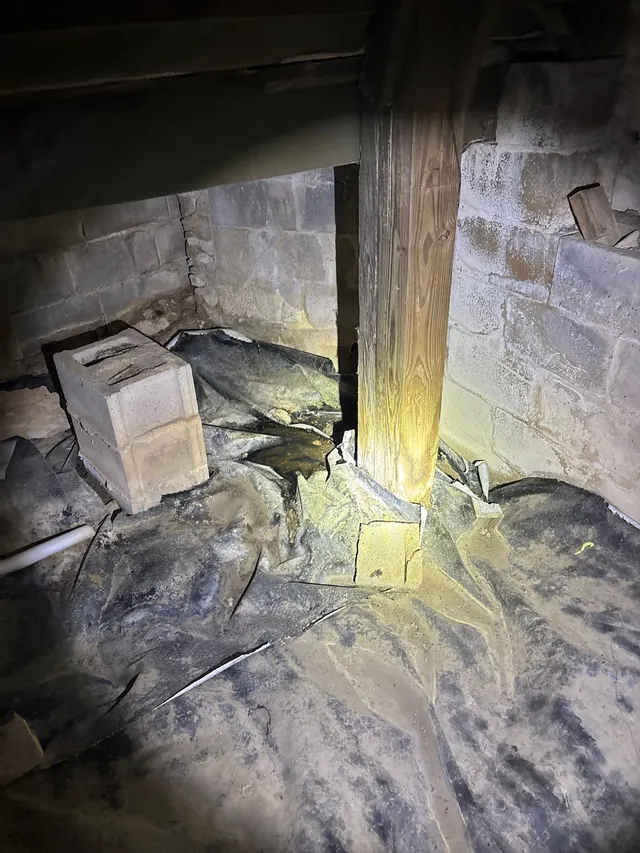
What Causes Wet Basement Walls in Alabama Homes
Hydrostatic and Lateral Soil Pressure
Saturated clay presses water against the wall and drives it through any available path. In block walls the hollow cores can fill with water, wicking moisture across the whole surface.
Cracks and Porous Block
Poured-wall cracks and the naturally porous concrete block used in many Alabama basements both let moisture pass. Water follows the crack or wicks through the block and mortar, showing up as damp streaks.
Failed or Missing Exterior Waterproofing
If the original exterior membrane has failed or was never installed, the soil side of the wall is unprotected, so ground moisture moves straight into it.
Surface Water Loading the Wall
Downspouts at the foundation and ground sloping toward the house keep the soil against the wall saturated, giving moisture a constant supply to push inward.
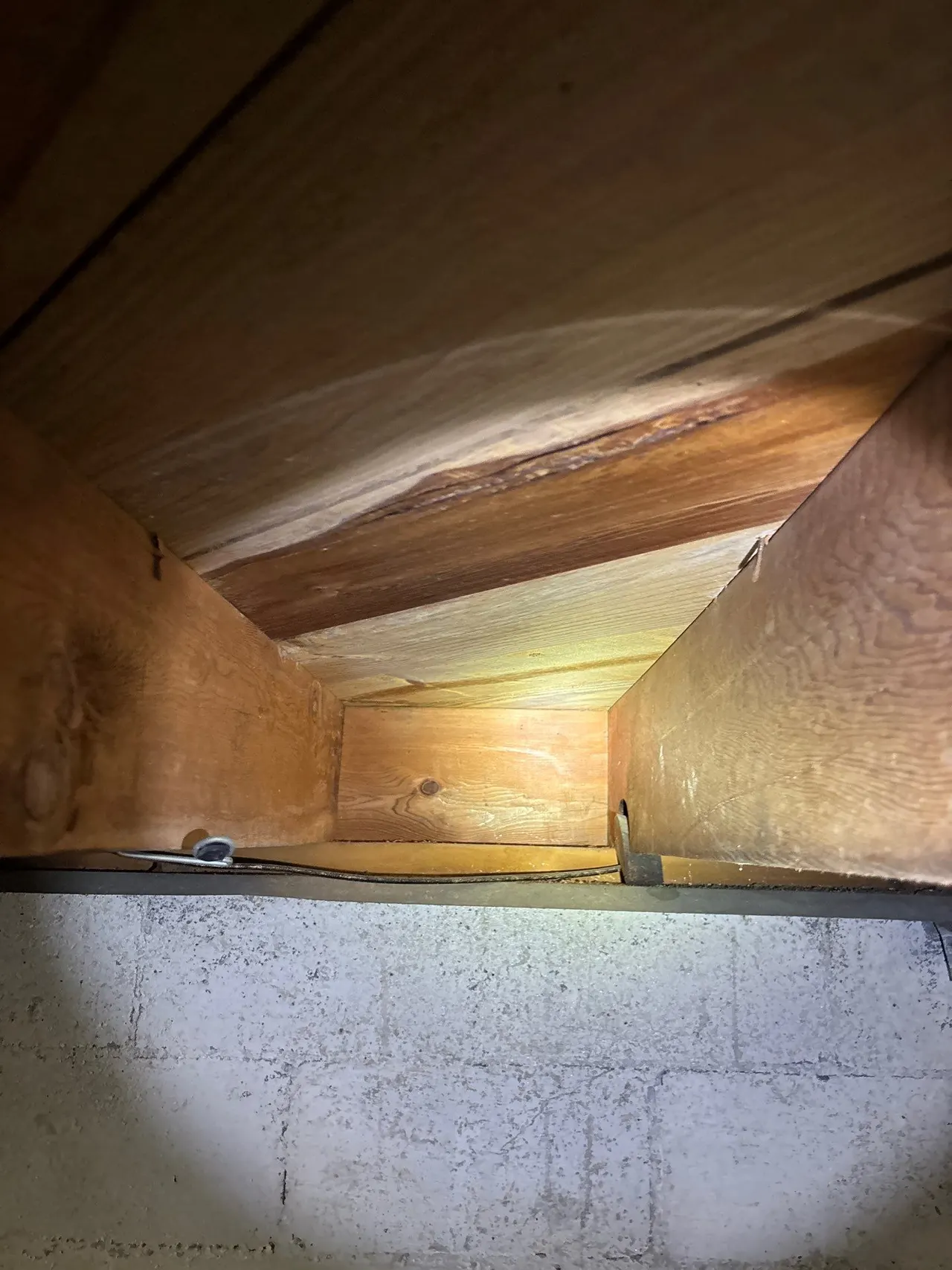
Signs You Should Not Ignore
- Damp or darkened patches that return after rain
- Beads, streaks, or a trickle down the wall
- White efflorescence crust on block or concrete
- Peeling paint or bubbling wall coatings
- A musty smell strongest near the walls
How We Diagnose and Repair the Problem
- 1
Free On-Site Assessment
An APS technician visits your property, documents the symptom and severity, and reviews all related indicators to build a complete picture.
- 2
Root Cause Diagnosis
The fix pairs water management with wall protection: interior drainage and a sump handle water that reaches the footing, exterior waterproofing membranes and drainage keep soil moisture off the wall, and crack repair closes specific entry points.
- 3
Written Estimate
You receive a clear written scope of work and cost estimate before any repair begins. No obligation.
- 4
Repair With Transferable Warranty
All APS foundation repairs carry a warranty that transfers to future owners. Serving Birmingham, Mobile, Huntsville, and Columbus, GA.
“A wet wall is a map. The pattern of where it is wet tells us whether we are chasing a crack, porous block, or pressure at the footing.”
Frequently Asked Questions
Why are my basement walls wet even without a visible crack?
Concrete block is porous, and its hollow cores can fill with water under soil pressure, so moisture wicks through the units and mortar joints without any single crack. That whole-surface dampness is common in block-wall basements.
Will waterproof paint fix wet walls?
Waterproof coatings can slow surface dampness but do not relieve the soil water pressure behind the wall, so they often bubble or peel as water pushes through. Managing the water is what makes the wall stay dry.
Are wet walls a structural concern?
They can be. The soil water pressure that wets the wall is the same force that bows and cracks basement walls over time. Resolving the moisture also relieves some of that pressure, protecting the wall.
How does APS decide the right fix?
We determine whether water is tracking a crack, wicking through block, or entering at the cove, then combine interior drainage, exterior waterproofing, and targeted crack repair to match. You get a written plan and a free estimate.