

What Condensation on Windows Tell You About Your Basement Waterproofing
Condensation shows as fog, beads of water, or run marks on the inside of basement windows, and often on cold pipes and walls nearby. It is worst in Alabama's humid months when warm, damp air meets the cool below-grade surfaces. Left alone, that steady moisture supports mold, rots wood trim and framing, and signals that the basement's humidity is out of control.
Alabama and Gulf Coast summers are long and humid, so warm damp air against cool basement surfaces makes condensation a common first sign of a below-grade moisture problem in Birmingham, Huntsville, Mobile, and Columbus, Georgia.
What Causes Condensation on Windows in Alabama Homes
High Indoor Humidity Meeting Cold Glass
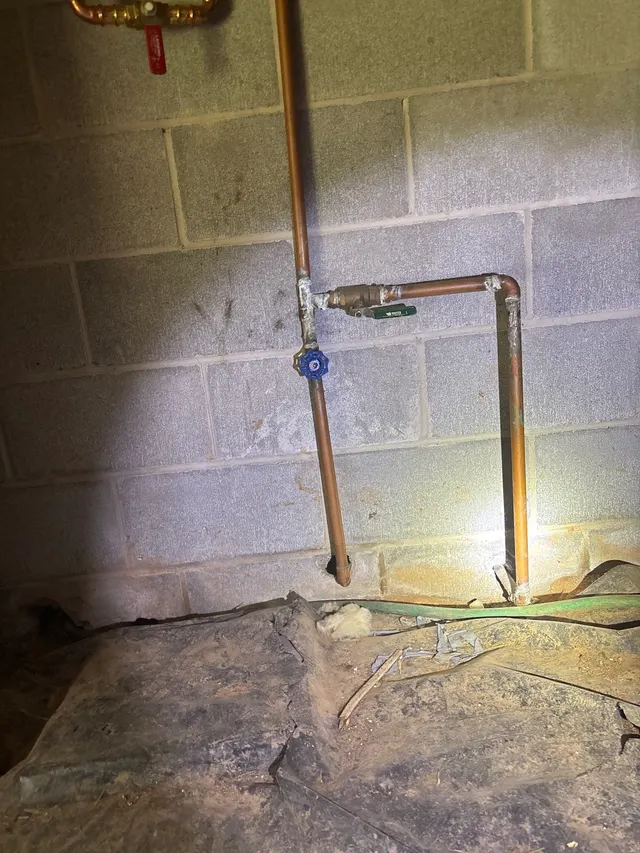
Below-grade windows and walls stay cool year round. When humid air, common in the Alabama and Gulf climate, contacts those cool surfaces, the moisture condenses out as water. Persistent fogging means the air is carrying more humidity than the space can manage.
Moisture Entering Through Walls and Floor
Damp soil pushes water vapor through porous block and concrete. That vapor raises the basement's humidity continuously, so the air always has moisture available to condense on cool surfaces.
Poor Ventilation and Air Movement
Basements with little airflow trap humid air against cool walls and windows. Without ventilation or dehumidification, the moisture has nowhere to go and settles on the coldest surfaces.
Unsealed Crawl or Below-Grade Space
An unencapsulated adjoining crawl space or an unsealed basement lets ground moisture and outside humidity in freely, keeping the dew point high enough for condensation to form.
Signs You Should Not Ignore
- Windows fog or drip on the inside, not just seasonally
- Water beads on cold pipes and lower walls
- A damp or musty smell in the space
- Wood trim or sills darkening or softening
- Mold spotting near windows or in corners
How We Diagnose and Repair the Problem
- 1
Free On-Site Assessment
An APS technician visits your property, documents the symptom and severity, and reviews all related indicators to build a complete picture.
- 2
Root Cause Diagnosis
Controlling the source is what stops it: a vapor barrier and exterior moisture management reduce how much water vapor enters, and a dehumidifier plus improved ventilation bring the basement's humidity below the point where condensation forms.
- 3
Written Estimate
You receive a clear written scope of work and cost estimate before any repair begins. No obligation.
- 4
Repair With Transferable Warranty
All APS foundation repairs carry a warranty that transfers to future owners. Serving Birmingham, Mobile, Huntsville, and Columbus, GA.
“Fog on the glass is the basement telling you the air is too wet. We trace where that moisture comes in and cut it off at the source.”
Frequently Asked Questions
Is window condensation actually a problem or just cosmetic?
It is an early warning. The condensation itself is harmless, but it proves the basement humidity is high enough to feed mold and rot on framing, trim, and stored items. Treat it as a signal to control the moisture before secondary damage starts.
Will opening a window or running a fan fix it?
In the humid Alabama summer, outside air is often more humid than basement air, so ventilation alone can make it worse. The reliable fix is lowering the moisture entering the space and dehumidifying, not just moving air around.
Where is the moisture coming from?
Usually from the soil through the walls and floor, plus humid air from an unsealed crawl space or upstairs. APS identifies the main source during the inspection so the fix targets the cause rather than the symptom.
What will APS recommend?
Depending on the source, a combination of vapor barrier, exterior moisture control, and a properly sized dehumidifier with better ventilation. We provide a written plan and a free estimate.