
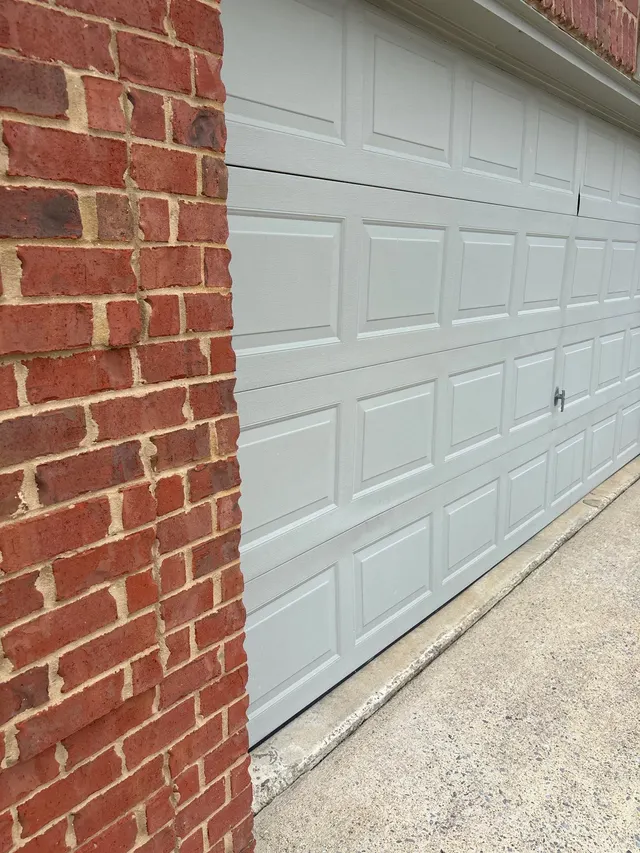
What Cracked Garage Floor Tells You About Your Concrete Leveling
Garage floors are honest reporters. The slab was poured over the backfill from the foundation dig, and backfill consolidates for years after construction. The floor settles away from the foundation walls, cracks along the wheel paths, and drops at the door where weather gets under the apron. You see the history in the details: a gap opening along the base of the wall, a crack that lines up with where the tires sit, a lip at the garage door threshold that grows a little each year. Because the slab is enclosed, water is less often the driver here than simple consolidation and the daily vehicle load. The concrete is almost always worth saving. Foam injection fills the consolidated gap and brings the floor back to the elevation it was poured at.
Alabama garages built on clay backfill settle predictably through the first decades of a home's life. Foam injection is suited to enclosed slabs because it needs no washout water, cures in minutes, and adds negligible weight to soil that is already consolidating.
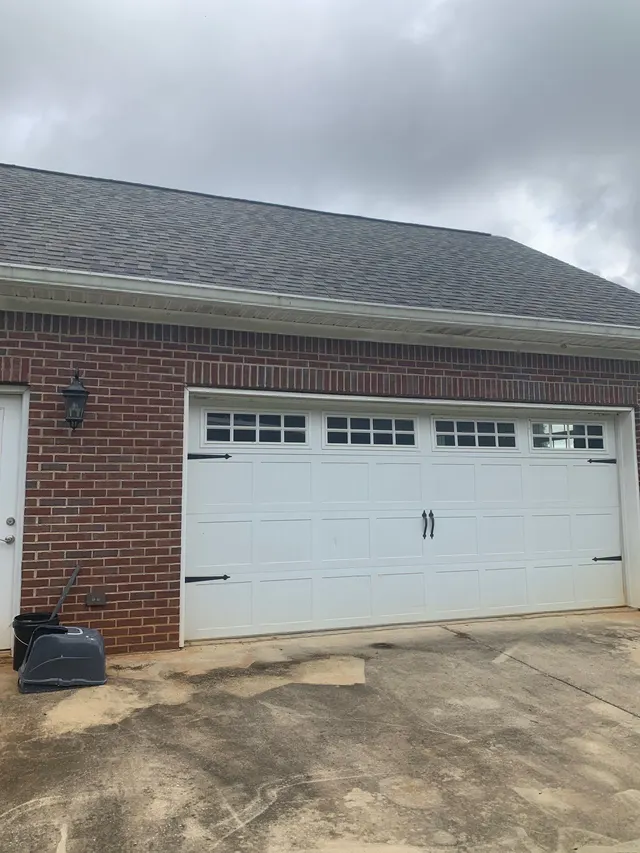
What Causes Cracked Garage Floor in Alabama Homes
Backfill Consolidation
The soil returned against the foundation after construction settles for a decade or more. Garage slabs poured over it drop with it, usually pulling away from the foundation walls first.
Wheel Load Settlement
Two vehicle wheel paths concentrate several thousand pounds onto the same strips of slab daily. Fill under those strips consolidates first, and the cracks split along the loaded lines.
Apron Washout at the Door
The slab edge at the garage door takes driveway runoff at the threshold. Fill washes from under the apron and the entry lip drops, cracks, and chips under traffic.
Cold Joint Separation
Where the garage slab meets the driveway or the foundation, the two pours move independently. The joint opens, takes in water, and the settlement concentrates along it.
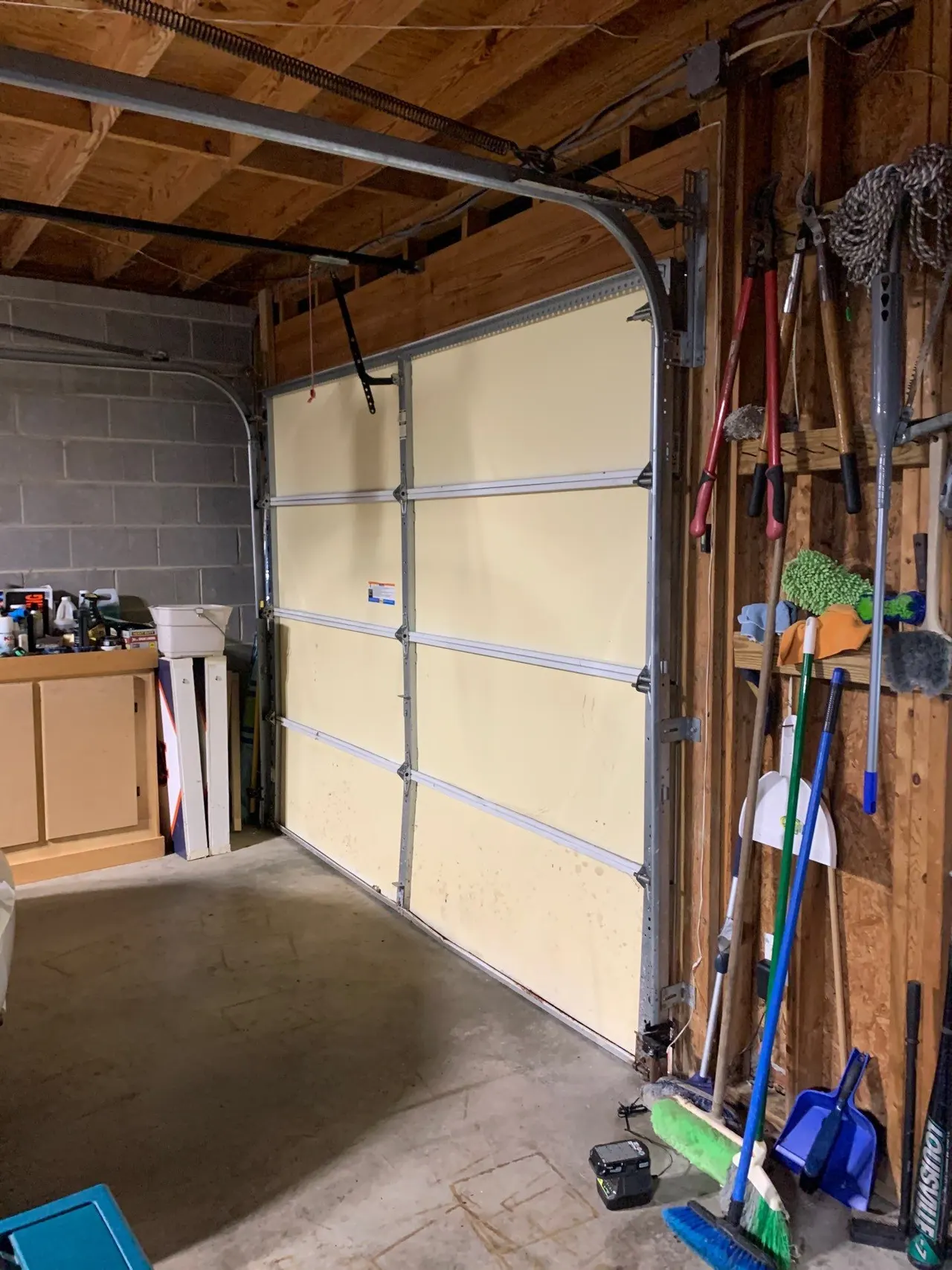
Signs You Should Not Ignore
- A gap opening between the floor slab and the foundation wall
- Cracks running parallel to the wheel paths
- A lip or drop at the garage door threshold
- The floor sloping toward the door more than it used to
- Cracks chipping or widening under daily traffic
- Stored items tipping or rolling toward one corner
How We Diagnose and Repair the Problem
- 1
Free On-Site Assessment
An APS technician visits your property, documents the symptom and severity, and reviews all related indicators to build a complete picture.
- 2
Root Cause Diagnosis
APS injects polyurethane foam through small ports in the settled sections, lifts the slab back to its original elevation, and seals the cracks and cold joints once movement stops. The foam reaches full strength in minutes, so vehicles park inside again the same day. Where the door apron caused the washout, sealing the threshold joint keeps the repair permanent.
- 3
Written Estimate
You receive a clear written scope of work and cost estimate before any repair begins. No obligation.
- 4
Repair With Transferable Warranty
All APS foundation repairs carry a warranty that transfers to future owners. Serving Birmingham, Mobile, Huntsville, and Columbus, GA.
“Garage slabs get poured on the youngest soil on the lot, the backfill from the dig, and then get parked on. That combination writes the same crack pattern in half the garages in Alabama.”
Frequently Asked Questions
Can a garage floor be leveled with everything in place?
Mostly yes. Vehicles need to be out during the lift, but shelving and storage along the walls can usually stay. The work area is the slab itself and ports are drilled only where lift is needed.
Is the crack along the wall a foundation problem?
A gap between the floor slab and the foundation wall is usually slab settlement, not foundation failure, because garage floors float independently of the footing. The assessment checks both so nothing gets assumed.
Will foam hold a vehicle?
Yes. The structural foam APS injects is the same class of material used to lift highway slabs. It spreads wheel loads over the filled area and does not compress afterward.
Why does the floor slope toward the door?
The apron edge settles first because it borders the exterior. Lifting the door edge restores the original drainage slope so water sheds correctly again.