
What Drywall Cracks Inside the Home Tells You About Your Foundation Repair
Interior drywall cracks appear as hairline to moderate splits in wall or ceiling gypsum board, commonly diagonal at door and window corners, horizontal at wall-ceiling transitions, or in stair-step patterns on walls above the foundation level. The critical distinction is recurrence: cosmetic cracks repaired with spackle stay repaired; cracks from foundation movement reopen, often wider, within one to two seasons.
Alabama's high summer humidity and warm winters create significant seasonal wood movement, making some drywall cracking very common. This can mask the early signs of actual foundation settlement. APS evaluates the full symptom picture rather than looking at individual cracks in isolation.
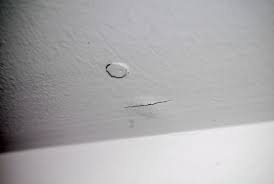
What Causes Drywall Cracks Inside the Home in Alabama Homes
Foundation Settlement or Movement (Structural)
As a foundation settles or shifts, the framing above it racks out of square. The drywall, which is rigid, cracks at stress concentrations like door corners and ceiling edges. These cracks are typically diagonal, widen over time, and reopen after repair.
Seasonal Humidity Cycling (Often Cosmetic)
Alabama's dramatic humidity swings cause wood framing to expand and contract, which can open and close hairline cracks in drywall seasonally. These are usually horizontal at ceiling lines and do not worsen over years.
Truss Uplift
In homes with engineered roof trusses, the bottom chord can bow upward in winter as temperature and humidity differentials create differential expansion. This pulls the ceiling away from interior partition walls, creating a gap or crack at the wall-ceiling junction, a specific pattern that is structural but not foundation-related.
Original Construction Settling
New construction undergoes minor settling in the first one to three years as lumber dries and loads distribute. Cracks that appeared early and have been stable since are usually cosmetic.
Signs You Should Not Ignore
- Crack returns after being repaired, wider than before
- Diagonal crack at door or window corner accompanied by that door sticking
- Multiple cracks appearing on the same wall or in the same room
- Crack you can see daylight through or feel a draft from
- Crack appeared suddenly rather than gradually
How We Diagnose and Repair the Problem
- 1
Free On-Site Assessment
An APS technician visits your property, documents the symptom and severity, and reviews all related indicators to build a complete picture.
- 2
Root Cause Diagnosis
When foundation movement is confirmed, piers stabilize the foundation first; drywall is repaired after movement is stopped to avoid repeated cosmetic work.
- 3
Written Estimate
You receive a clear written scope of work and cost estimate before any repair begins. No obligation.
- 4
Repair With Transferable Warranty
All APS foundation repairs carry a warranty that transfers to future owners. Serving Birmingham, Mobile, Huntsville, and Columbus, GA.
“The homeowner who painted over the same diagonal crack three times in five years is the person we most need to talk to, that is not a drywall problem.”
Frequently Asked Questions
My house is only 5 years old and already has drywall cracks, is that normal?
Some minor cracking in the first few years is common as the structure settles and lumber dries. However, cracks that are widening, diagonal at openings, or accompanied by sticking doors in a home this young warrant a foundation inspection. Early settlement is easier and less expensive to address than advanced settlement.
Do I need to fix the foundation before I fix the drywall?
If foundation movement is the cause, yes, repair the foundation first. Repairing drywall over an active foundation problem means you will be repairing it again in a year or two. If the cracks are confirmed cosmetic, repair away.
Can drywall cracks let water into the wall?
Interior drywall cracks are not typically water infiltration points. However, if cracks in an exterior-facing wall penetrate through sheathing, moisture intrusion is possible. More commonly, water enters at the foundation or roof and the drywall crack is a secondary symptom of that problem.
What does an APS foundation inspection involve for drywall crack concerns?
APS performs a full interior and exterior walkthrough, documenting crack patterns, measuring floor levels, and evaluating the foundation perimeter. We identify whether cracks fit a foundation settlement pattern or are more likely cosmetic, and provide a written assessment at no charge.