
What Cracks in Concrete Floors Tell You About Your Foundation Repair
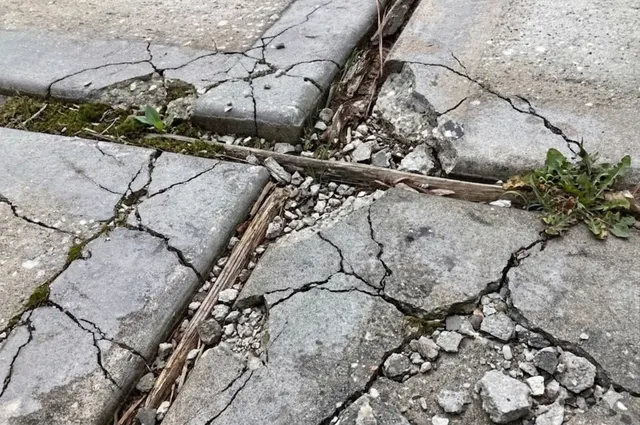
Cracks in concrete floors range from hairline shrinkage cracks that have been present since the slab was poured to wide structural breaks where one side has lifted or dropped relative to the other. In basements, floor cracks may allow water to seep upward under hydrostatic pressure. In slab-on-grade homes, cracks may be accompanied by sections of floor that feel high or low when walked across.
Alabama's moderate climate means basement floors are less subject to frost heave than northern states, but hydrostatic pressure from the region's frequent heavy rain events is a significant factor, particularly in basement homes in the Birmingham hills and in Mobile's low-lying areas.
What Causes Cracks in Concrete Floors in Alabama Homes
Shrinkage During Curing (Cosmetic)
All concrete shrinks slightly as it cures. These shrinkage cracks are typically hairline, random in pattern, and do not extend through the full slab thickness. They appear soon after construction and do not grow.
Soil Movement Under the Slab
When soil beneath a slab settles or erodes, from poor compaction, drainage problems, or Alabama clay shrinkage, the slab loses support and cracks under its own weight. These cracks often show displacement and may grow over time.
Hydrostatic Pressure in Basements
Groundwater pressure beneath a basement floor can crack the slab and force water upward through the cracks. Alabama's wet seasons generate significant hydrostatic pressure in areas with high water tables or poor exterior drainage.
Structural Settlement Transmitted to Floor
When the foundation walls or footings settle, the interior floor slab can crack at the point of greatest differential movement. These cracks often radiate from the settled zone and correlate with cracks in adjacent walls.
Signs You Should Not Ignore
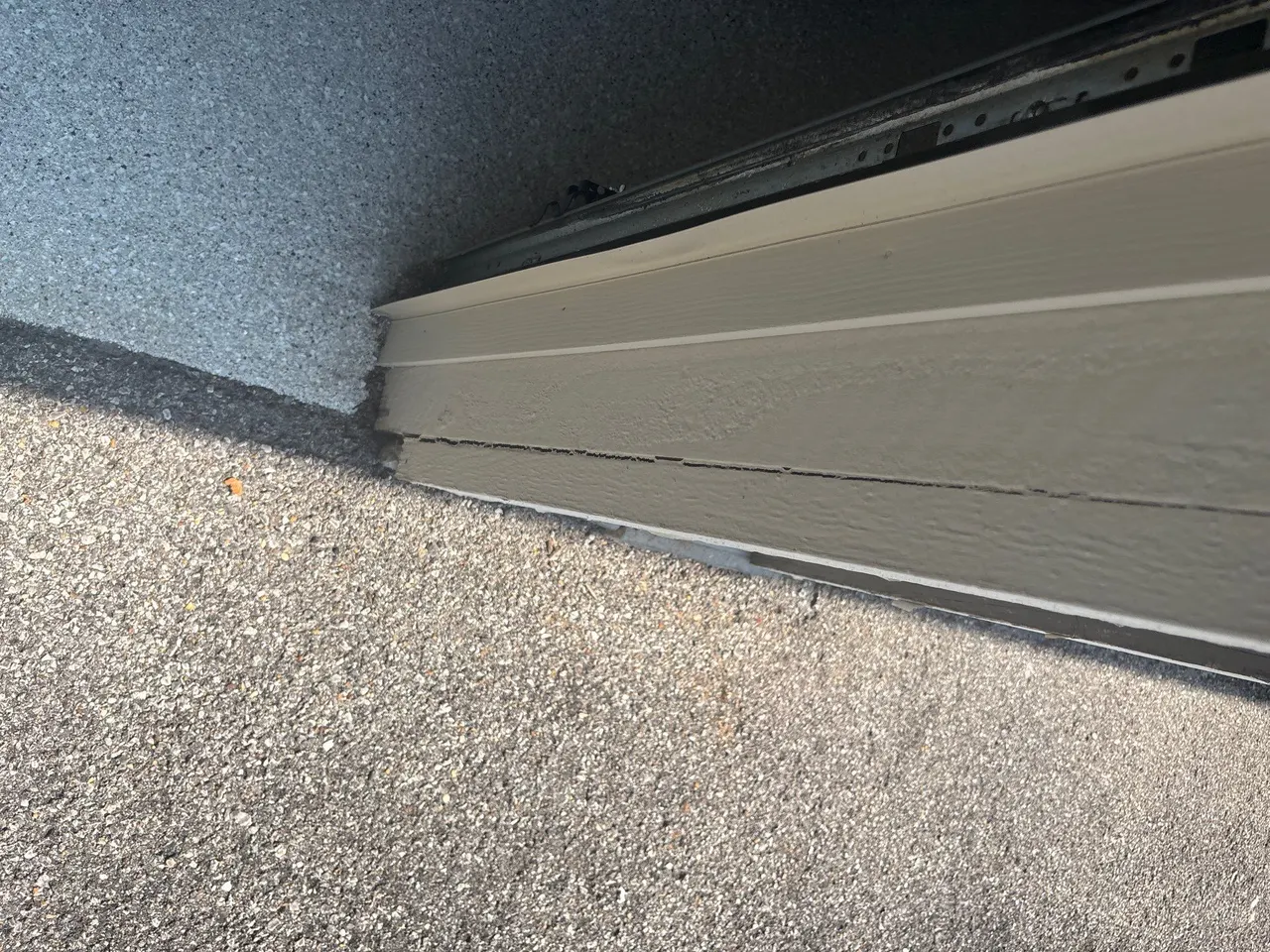
- One side of the crack is higher than the other (displacement)
- Water seeping or wicking up through the crack
- Crack wider than 1/4 inch or visibly growing
- Floor section that flexes or moves when walked on
- Crack that runs the full width of the room in a straight line
How We Diagnose and Repair the Problem
- 1
Free On-Site Assessment
An APS technician visits your property, documents the symptom and severity, and reviews all related indicators to build a complete picture.
- 2
Root Cause Diagnosis
Polyurethane foam injection lifts sunken slab sections and fills voids below; epoxy injection seals structural cracks; interior drainage systems manage water that cannot be stopped at the source.
- 3
Written Estimate
You receive a clear written scope of work and cost estimate before any repair begins. No obligation.
- 4
Repair With Transferable Warranty
All APS foundation repairs carry a warranty that transfers to future owners. Serving Birmingham, Mobile, Huntsville, and Columbus, GA.
“A cracked floor that is also wet is always a drainage problem first and a structural problem second, you have to address why the water is there before worrying about the crack.”
Frequently Asked Questions
Should I seal all cracks in my concrete floor?
Hairline shrinkage cracks can be sealed cosmetically with polyurethane caulk to prevent moisture from entering. Cracks with displacement, active water intrusion, or growth should be professionally evaluated before sealing, sealing over an active problem can redirect water pressure rather than solving it.
Water comes up through a crack in my basement floor when it rains. What does that mean?
This is hydrostatic pressure, groundwater under pressure finding the path of least resistance through the slab crack. The long-term solution typically involves interior drainage channels that collect the water before it reaches the floor surface, paired with a sump pump system.
My slab has a section that is clearly lower than the surrounding floor. Can it be raised?
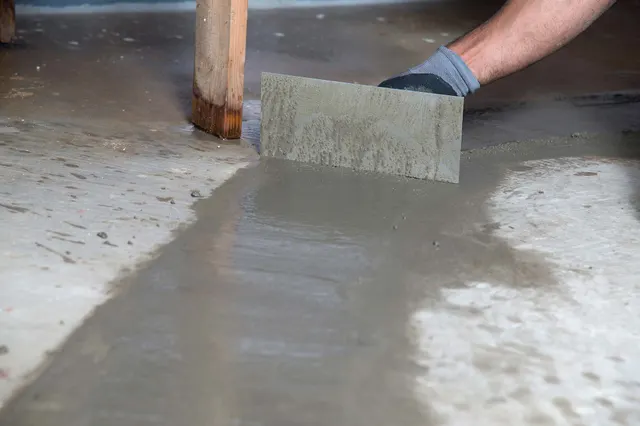
Yes. Polyurethane foam injection, sometimes called slab lifting, fills voids beneath the sunken section and can restore it close to its original elevation. APS drills small holes, injects expanding foam, and patches the holes. The process is completed in hours and the floor is walkable the same day.
Is a cracked garage floor a structural concern?
Garage slabs are typically not structural (they do not support the foundation) and many cracks are cosmetic. Exceptions include displacement cracks where tripping is a hazard, cracks that allow water into an adjacent basement, or situations where the garage slab is supporting posts or other loads.