

What Excess Moisture Tells You About Your Crawl Space Repair
Crawl space moisture shows as damp or muddy soil, condensation or beads on ducts and framing, wet insulation, and a general dampness you can feel and smell. It is the underlying condition behind most crawl space complaints, because sustained moisture feeds mold, rots wood, ruins insulation, attracts problems, and pushes humidity up into the home. In Alabama's climate an open, vented crawl space takes on moisture from the ground and the humid air continuously, so without a moisture strategy the dampness never resolves on its own.
Alabama's humidity and clay soils keep vented crawl spaces damp for most of the year, so crawl space moisture is the underlying issue APS addresses in the majority of crawl space calls across its markets.
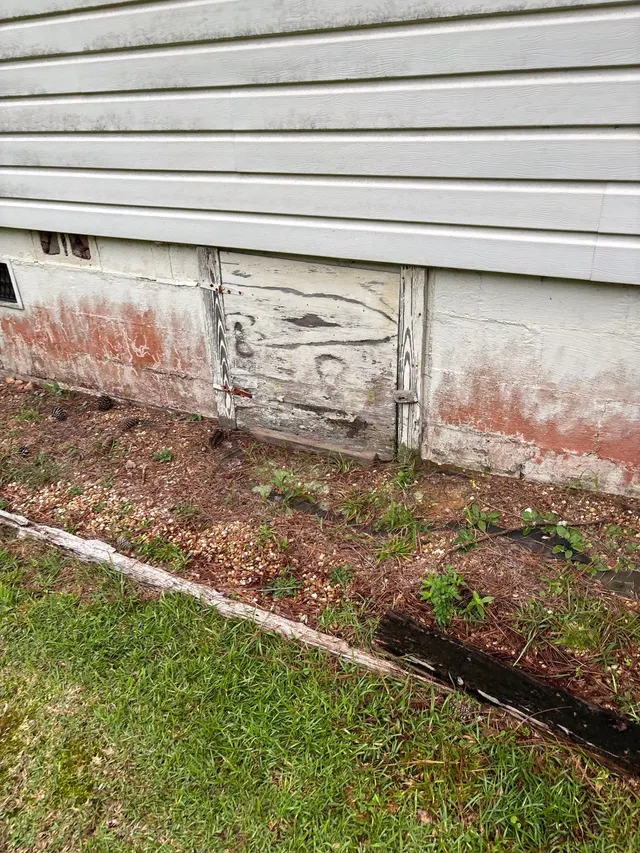
What Causes Excess Moisture in Alabama Homes
Evaporation From Bare Soil
An exposed dirt crawl space floor releases ground moisture into the air constantly. Without a sealed vapor barrier, that evaporation keeps the whole space and its framing damp year round.
Humid Air Through Open Vents
In the Alabama and Gulf climate, traditional crawl space vents let warm humid air in, where it condenses on cooler surfaces. The venting that was meant to dry the space often adds moisture instead.
Groundwater and Poor Drainage
A high water table, poor grading, and downspouts near the foundation push water into the crawl space, saturating the soil and raising humidity.
Plumbing and Duct Condensation
Cool water lines and air-conditioning ducts sweat in the humid crawl space air, dripping onto the soil and framing and adding to the moisture load.
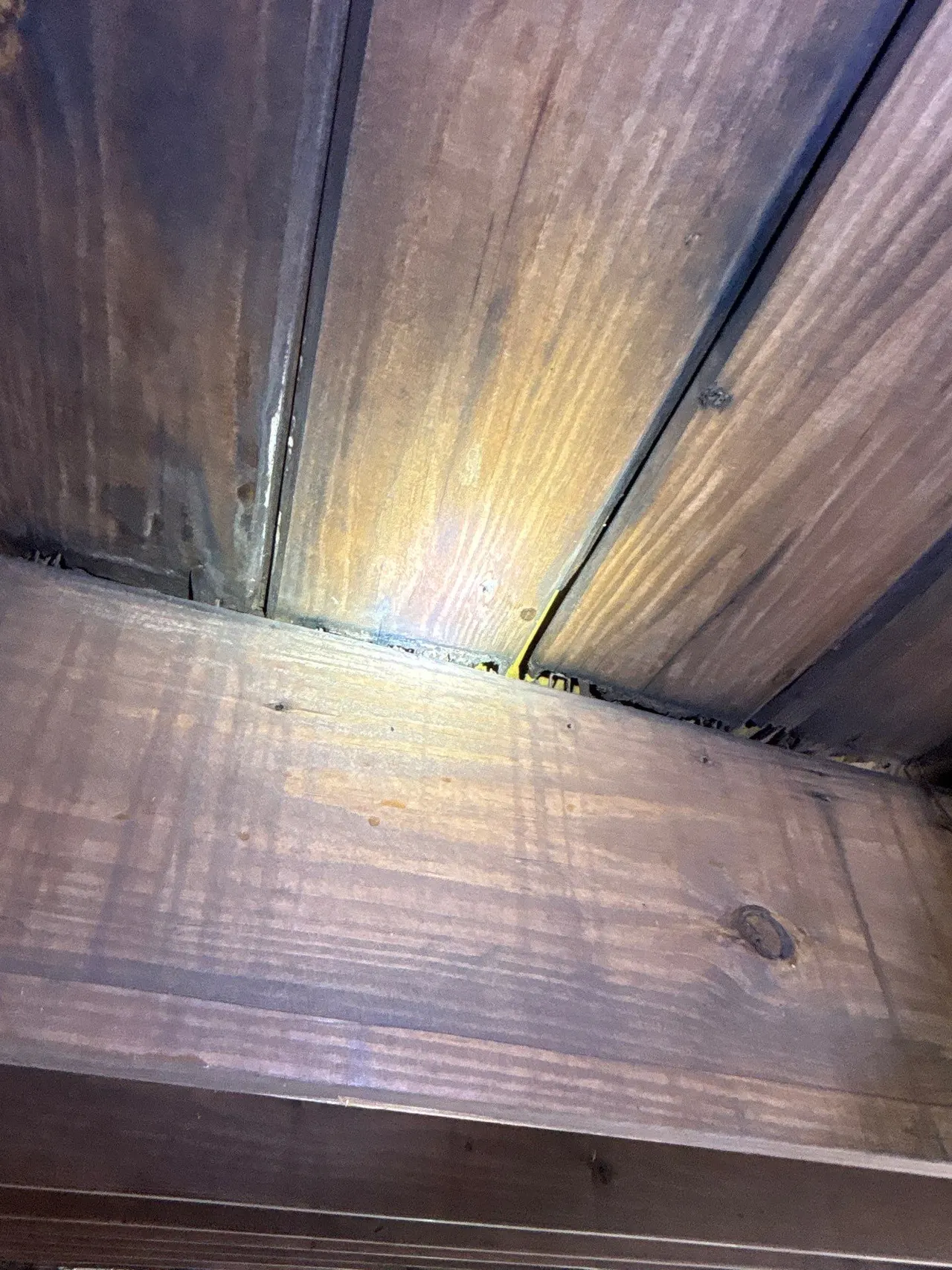
Signs You Should Not Ignore
- Damp or muddy soil under the house
- Condensation or water beads on ducts, pipes, or framing
- Wet, sagging, or falling insulation
- A musty smell in the crawl space or home
- Mold, rot, or rusting metal connectors developing
How We Diagnose and Repair the Problem
- 1
Free On-Site Assessment
An APS technician visits your property, documents the symptom and severity, and reviews all related indicators to build a complete picture.
- 2
Root Cause Diagnosis
A dry crawl space comes from sealing it off: encapsulation with a vapor barrier stops ground and vent moisture, drainage handles any water, and a dehumidifier holds the humidity down so mold, rot, and the problems that follow cannot take hold.
- 3
Written Estimate
You receive a clear written scope of work and cost estimate before any repair begins. No obligation.
- 4
Repair With Transferable Warranty
All APS foundation repairs carry a warranty that transfers to future owners. Serving Birmingham, Mobile, Huntsville, and Columbus, GA.
“Fix the moisture and most crawl space problems never happen. Almost everything we get called about down there traces back to water and humidity.”
Frequently Asked Questions
Why is my crawl space always damp?
An open crawl space in Alabama takes on moisture from two directions, evaporation from the bare soil and humid air through the vents. Without a vapor barrier and humidity control, both sources keep it damp continuously, no matter the season.
Do crawl space vents help dry it out?
In this climate they often do the opposite. Warm humid air entering through vents condenses on cooler surfaces and adds moisture. Modern practice is to seal the crawl space and control humidity rather than vent it to outside air.
Is crawl space moisture really a big deal?
Yes, because it is the root of most crawl space damage. Sustained moisture drives mold, wood rot, ruined insulation, sagging floors, and higher energy bills. Controlling it prevents a long list of downstream problems.
How does APS fix crawl space moisture?
We identify where the moisture comes from, then seal the space with encapsulation and a vapor barrier, address drainage, and add dehumidification. The result is a dry, stable crawl space. You get a written plan and a free estimate.