
What Groundwater Seepage Tells You About Your Crawl Space Repair
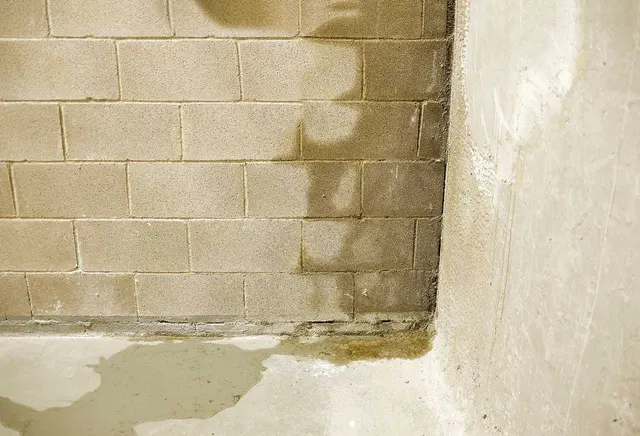
Groundwater seepage shows as damp or muddy soil, water weeping in along the footing, or shallow water rising through the crawl space floor, usually worse after rain. It happens when the water table around the foundation rises and saturated soil pushes moisture into the crawl space. In Alabama's clay soils and the high-water-table Gulf Coast, this is a recurring wet-season problem that keeps the crawl space damp, feeds mold and rot, and can progress to standing water if the water is not managed.
Clay soils across Alabama and the high water table on the Gulf Coast in Mobile drive groundwater into crawl spaces through the wet season, making seepage a common call for APS in its markets.
What Causes Groundwater Seepage in Alabama Homes
A Rising Water Table
Heavy Alabama rain and a naturally high water table, especially near the Gulf Coast, raise the groundwater level around the foundation until it reaches and seeps into the crawl space.
Poor Exterior Drainage and Grading
Ground that slopes toward the house and downspouts discharging at the foundation keep the surrounding soil saturated, feeding groundwater into the crawl space.
No Interior Drainage or Sump
A crawl space without a drainage system and sump has no way to remove water that seeps in, so it collects in the soil and raises the humidity and the risk of standing water.
Clay Soil Holding Water at the Foundation
Alabama's clay drains slowly and holds water against the foundation after rain, sustaining the pressure and saturation that drive seepage into the crawl space.
Signs You Should Not Ignore
- Damp or muddy soil that worsens after rain
- Water weeping in along the footing or foundation wall
- Shallow water rising through the crawl space floor
- Musty smell and high humidity in the space
- Mold or rot developing on the framing above
How We Diagnose and Repair the Problem
- 1
Free On-Site Assessment
An APS technician visits your property, documents the symptom and severity, and reviews all related indicators to build a complete picture.
- 2
Root Cause Diagnosis
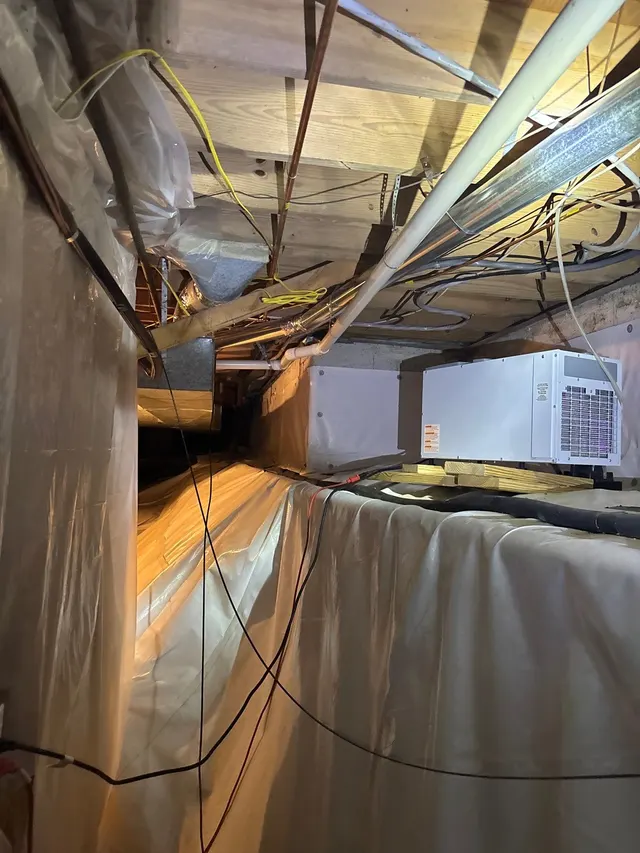
Managing the water is the fix: a crawl space drainage system and sump collect and remove seeping groundwater, exterior grading and downspout work reduce what reaches the foundation, and encapsulation seals the dried space against further moisture.
- 3
Written Estimate
You receive a clear written scope of work and cost estimate before any repair begins. No obligation.
- 4
Repair With Transferable Warranty
All APS foundation repairs carry a warranty that transfers to future owners. Serving Birmingham, Mobile, Huntsville, and Columbus, GA.
“Seeping groundwater is the water table knocking on your crawl space. We give it a drain and a pump so it stops coming in through the dirt.”
Frequently Asked Questions
Why does water seep into my crawl space after rain?
Because heavy rain raises the water table in the saturated clay around your foundation, and that groundwater pushes into the crawl space through the soil and at the footing. When the ground drains, the seepage eases, which is the signature of a groundwater and drainage problem.
Will sealing the crawl space alone stop seepage?
Encapsulation is essential, but if groundwater is actively seeping, it needs somewhere to go first. APS typically pairs a drainage system and sump with encapsulation so the water is removed and the dried space stays sealed.
Is groundwater seepage a structural risk?
Over time, yes. Sustained moisture rots joists and girders and can lead to sagging floors, and unmanaged seepage often progresses to standing water. Controlling it early protects the structure.
What does APS do about crawl space groundwater?
We identify where the water enters, install drainage and a sump to remove it, reduce the exterior water load with grading and downspouts, and encapsulate the space. You get a written plan and a free estimate.