

What Are Vapor Barriers?
A vapor barrier is a durable sealed liner applied to basement walls and floors to stop water vapor from passing out of the masonry and into the air. Concrete and block are porous, so ground moisture continuously moves through them as vapor even when no liquid water is visible, and in Alabama's humid climate that vapor keeps a basement damp, feeds mold and mildew, and fogs windows. The barrier cuts off that vapor path, and paired with a dehumidifier it holds the basement's humidity at a level where condensation and microbial growth cannot take hold. APS uses vapor barriers as part of a complete moisture strategy, especially where the symptom is dampness, odor, and condensation rather than standing water.
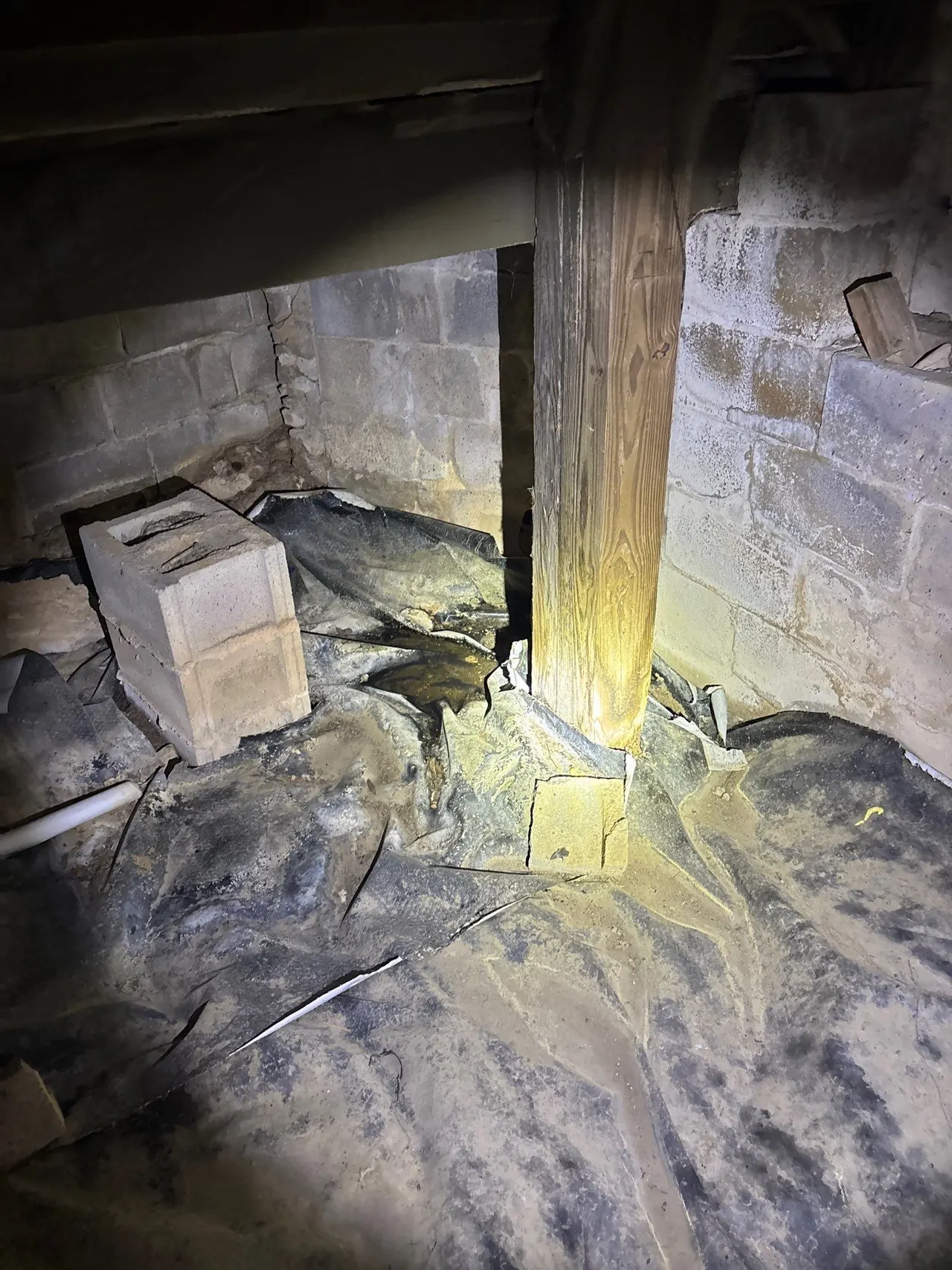
How Vapor Barriers Work
The barrier is a heavy polyethylene liner sealed to the walls and, where appropriate, the floor. Because it is impermeable, water vapor trying to move out of the block or concrete is stopped at the surface instead of entering the room air. Any moisture behind the liner is directed downward to the drainage system rather than evaporating into the space. With the vapor path closed, the basement's humidity drops, and a dehumidifier can then hold it in a healthy range because it is no longer fighting a constant supply of ground moisture.
“A basement wall can look bone dry and still be pumping vapor into the room all day. The barrier is what finally shuts that off.”
How APS Installs Vapor Barriers
- 1
Moisture Source Assessment
APS confirms the moisture is vapor and humidity driven and checks whether drainage or waterproofing is also required.
- 2
Surface Preparation
Walls and floor areas are cleaned and any active liquid-water entry is addressed before the liner goes up.
- 3
Liner Installation
A heavy polyethylene vapor barrier is installed on the walls and sealed at seams, terminations, and penetrations.
- 4
Integrate With Drainage
The liner is tied into the drainage system so any moisture behind it is directed to the drain rather than the room.
- 5
Humidity Control and Verification
Where needed, a dehumidifier is set to maintain target humidity, and APS confirms the space stays dry.
What Vapor Barriers Cost and What Is Covered
Cost Range
Cost depends on the linear footage, access, and system specified. APS provides a free written estimate after the assessment.
Warranty
APS in-house workmanship warranty plus manufacturer warranties on system components, both fully transferable to future owners
Frequently Asked Questions
Do I need a vapor barrier if my basement is not flooding?
Often yes. A basement can stay damp, musty, and prone to mold from vapor moving through the walls even with no standing water. If you have condensation, odor, or high humidity, a vapor barrier addresses the source that a dehumidifier alone cannot keep up with.
Is a vapor barrier the same as waterproofing?
They work together but do different jobs. Waterproofing and drainage handle liquid water; a vapor barrier stops water vapor and controls humidity. In the Alabama climate many basements need both to stay genuinely dry.
Will it help with mold and musty smell?
Yes. By cutting the vapor path and lowering humidity, the barrier removes the damp conditions mold and mildew need, which is what drives the musty smell. APS treats the moisture; a licensed professional handles any existing mold.
Can a vapor barrier go behind a finished wall?
Yes, and it should. Installing a vapor barrier before finishing keeps framing and drywall off a wall that still passes moisture, which is what prevents the wet-drywall problems finished basements often develop.