
What Misaligned Doors and Windows Tell You About Your Foundation Repair
Misaligned doors and windows are among the most recognizable signs of foundation movement in Alabama homes. When your foundation settles unevenly, the structural framing above it distorts, door frames become parallelograms instead of rectangles, window sashes bind in their tracks, and gaps appear along the top or sides of frames. Unlike simple wood swelling from humidity (which typically affects one door seasonally), foundation-related misalignment is persistent, often progressive, and tends to affect multiple openings on the same side of the house or along the same load path.
Alabama's red clay soil expands and contracts dramatically with moisture changes, making differential foundation settlement, and the door and window misalignment it causes, far more common here than in areas with more stable sandy or rocky soils. Birmingham, Huntsville, and Mobile all sit on soils with high clay content. In Huntsville, karst limestone formations beneath the clay add another variable, soil voids and sinkhole-prone geology mean every site assessment must account for subsurface conditions before recommending a pier solution.
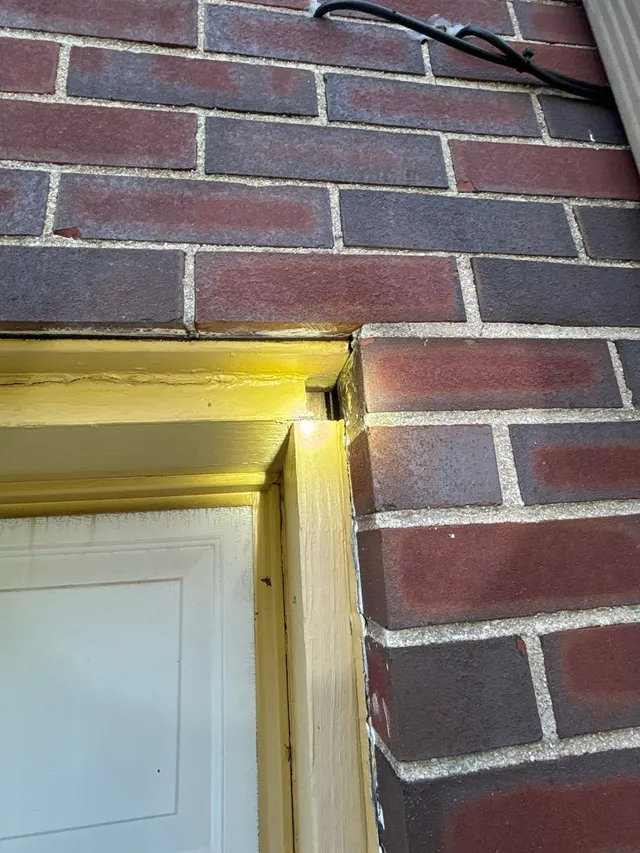
What Causes Misaligned Doors and Windows in Alabama Homes
Differential Foundation Settlement
When one part of a foundation sinks more than another, the structure above it racks, door frames and window openings distort as the framing members shift from square. Alabama's expansive red clay creates uneven soil pressure, leading to differential settlement that progressively worsens without repair.
Expansive Clay Soil Cycling
Alabama's smectite clay soils expand when wet and contract when dry, putting cyclic stress on foundations. Over many wet and dry seasons, this repeated movement causes the foundation to shift and settle unevenly, which transfers directly to the framing above door and window openings.
Inadequate Foundation Support
Foundations that were originally built on unstable fill soil, improperly compacted ground, or without adequate depth can settle over time. As bearing capacity is lost, the foundation drops unevenly and the framing above distorts.
Poor Drainage and Soil Saturation
Water pooling near the foundation from negative grade, short downspouts, or heavy Alabama rainfall events saturates the soil, reduces its load-bearing capacity, and allows foundation movement, which then racks the framing around doors and windows.
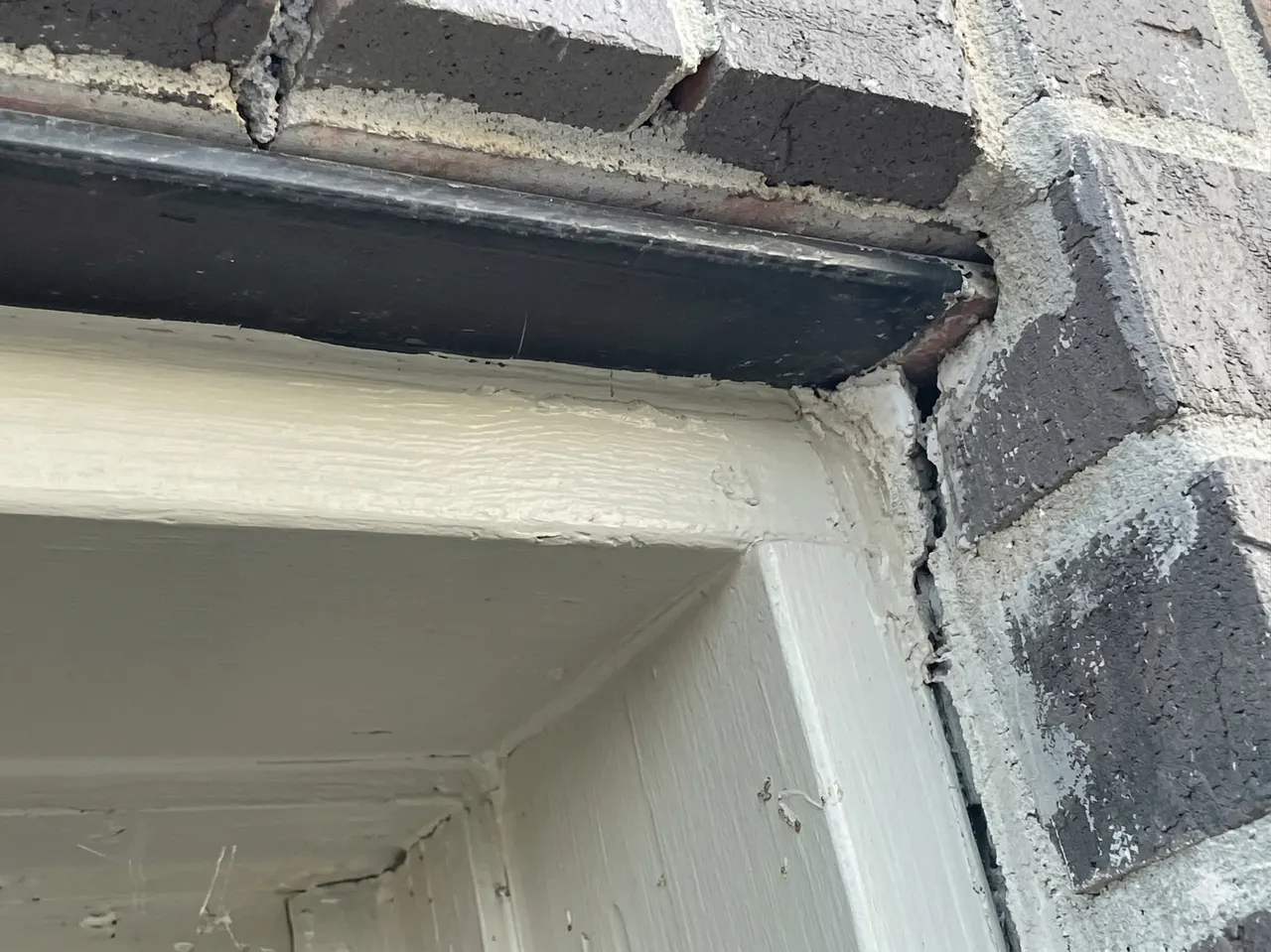
Signs You Should Not Ignore
- Interior doors that won't latch without lifting the handle
- Doors that swing open or closed on their own, indicating the frame is no longer plumb
- Visible gaps along the top corner of a door frame (the classic 'racked frame' triangle)
- Windows that require extra force to open or close, or that won't stay open
- Cracks in drywall or plaster at the corners of door and window openings
- Daylight visible around exterior door frames that previously sealed tightly
- Multiple doors or windows on the same wall or side of the house affected at the same time
- Symptoms that have worsened over months or years rather than appearing after a single weather event
How We Diagnose and Repair the Problem
- 1
Free On-Site Assessment
An APS technician visits your property, documents the symptom and severity, and reviews all related indicators to build a complete picture.
- 2
Root Cause Diagnosis
A Birmingham homeowner noticed their back door had become impossible to close without shouldering it. An APS site assessment revealed the rear corner of the home had settled nearly two inches due to saturated clay soil. Push piers were installed to stabilize and partially lift the settled corner, bringing the foundation back toward level. The door frame self-corrected enough to close properly without any carpentry work.
- 3
Written Estimate
You receive a clear written scope of work and cost estimate before any repair begins. No obligation.
- 4
Repair With Transferable Warranty
All APS foundation repairs carry a warranty that transfers to future owners. Serving Birmingham, Mobile, Huntsville, and Columbus, GA.
“When I see a door that won't close and a window that binds on the same wall, I stop looking at the door and start looking at the foundation. The framing is just showing us where the real problem is.”
Frequently Asked Questions
Can Alabama's humidity cause doors to stick without it being a foundation problem?
Yes, wood swells in high humidity, which is common across Alabama summers. The difference is that humidity-related sticking typically resolves when the weather changes and affects doors seasonally. Foundation-related misalignment is persistent, affects multiple openings, and is often accompanied by visible cracks or gaps at the frame corners. If multiple doors and windows are sticking year-round and the problems are getting worse, a foundation assessment is the right next step.
If I fix or replace the door, will that solve the problem?
No, replacing the door or shimming the frame is a cosmetic fix that will fail again as the underlying foundation continues to move. The frame will re-rack, and you will be back to the same problem. The door is the messenger, not the cause.
How quickly does foundation settlement affect doors and windows?
It depends on how fast the foundation is moving. Slow, gradual settlement may produce subtle sticking that worsens over years. Rapid soil saturation events, like an unusually wet Alabama spring, can cause noticeable changes in a matter of weeks. Either pattern warrants professional evaluation.
Will repairing the foundation fix my misaligned doors and windows automatically?
In many cases, stabilizing and partially lifting the foundation allows the framing to return enough toward square that doors and windows function properly again. In cases of severe or long-standing settlement, some carpentry adjustment may still be needed after the foundation work is complete.