
What Diagonal Foundation Cracks at Door and Window Corners Tell You About Your Foundation Repair
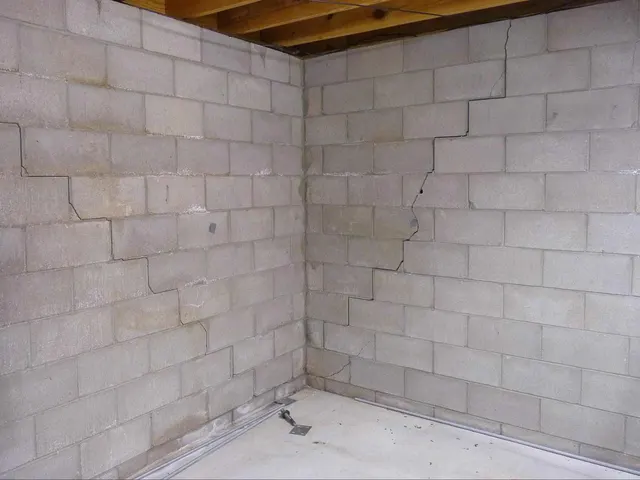
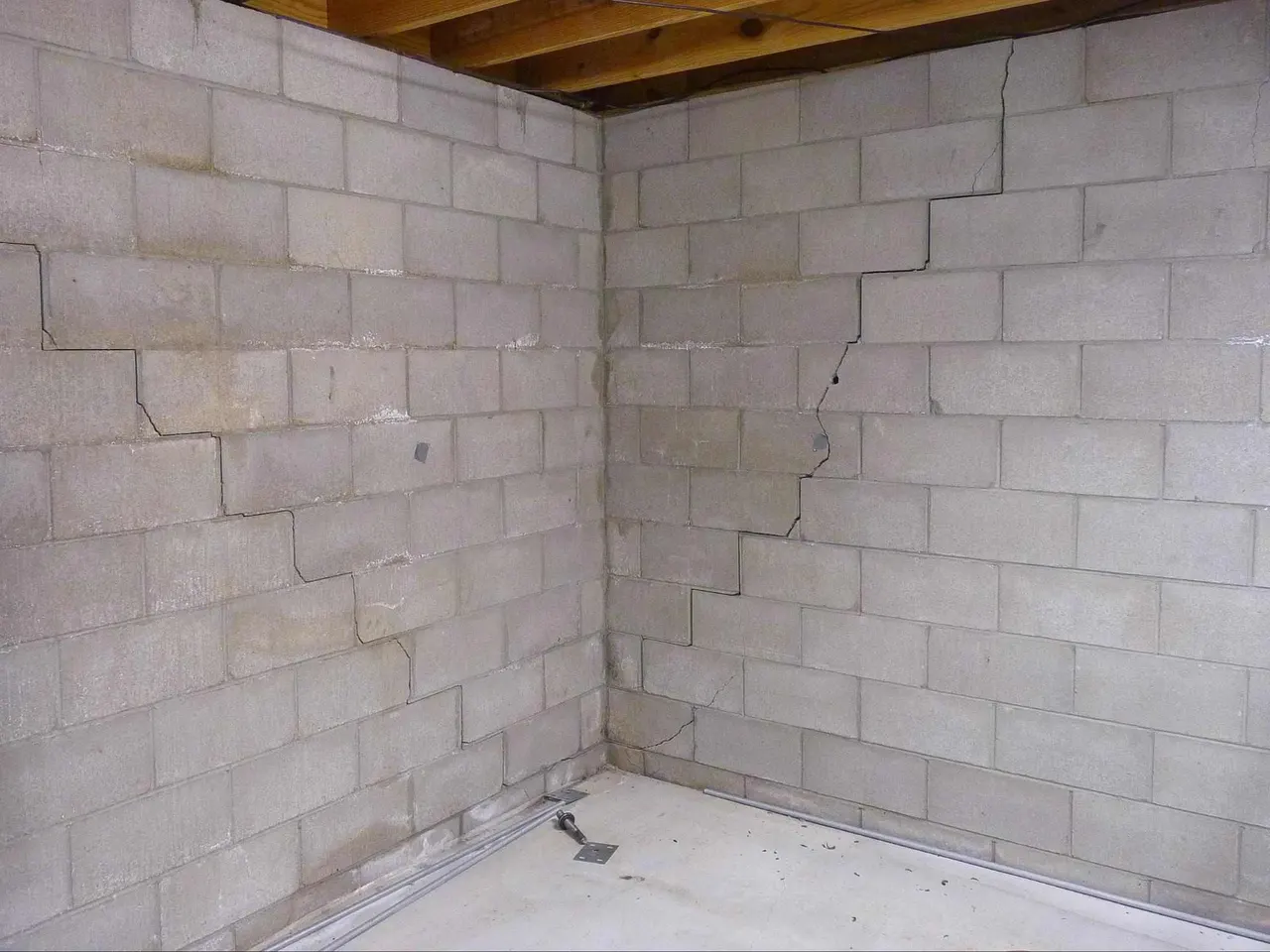
Diagonal cracks typically run at a 45-degree angle from the upper or lower corners of door frames, window openings, or wall edges. In drywall, they cut through the gypsum panel itself. In brick or block, they follow a combination of block and mortar. The crack radiates outward and upward from a corner, widening as it rises, the wide end points toward the side of the structure that has settled more.
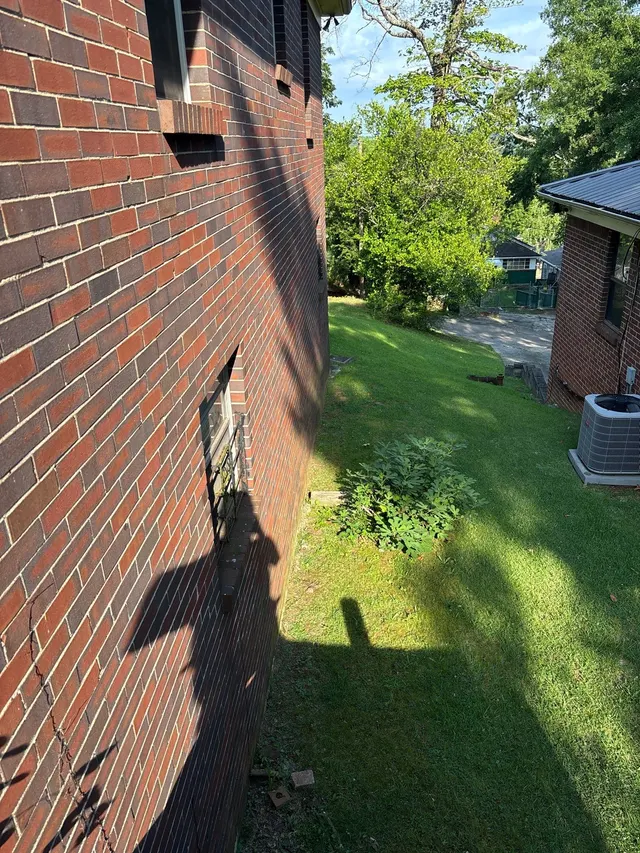
Diagonal cracking at openings is extremely common in Birmingham and Huntsville suburbs where 1960s and 1970s brick homes sit on active clay. APS sees a predictable increase in inspection calls every fall after Alabama's dry summer season stresses the clay under footings.
What Causes Diagonal Foundation Cracks at Door and Window Corners in Alabama Homes
Differential Foundation Settlement
When one area of the foundation drops more than an adjacent area, the structure above is placed in diagonal shear stress. The wall relieves this stress by cracking at 45 degrees from the nearest stress concentration point, usually a door or window corner.
Concentrated Point Load Settlement
Columns, posts, and load-bearing wall intersections apply concentrated loads to the foundation. If the soil beneath one of these points softens or erodes, that point drops and diagonal cracking radiates outward from it.
Lateral Foundation Movement
Foundation walls that are being pushed or pulled laterally by soil pressure can produce diagonal cracking patterns in the structure above, particularly at corners of openings where wall stiffness is interrupted.
Signs You Should Not Ignore
- Crack is wider at one end than the other, indicating a directional force
- New crack that appeared within the past year
- Crack accompanied by the door or window in that opening sticking or binding
- Multiple diagonal cracks at different openings on the same side of the house
- Crack continues through multiple layers, drywall, sheathing, and brick
How We Diagnose and Repair the Problem
- 1
Free On-Site Assessment
An APS technician visits your property, documents the symptom and severity, and reviews all related indicators to build a complete picture.
- 2
Root Cause Diagnosis
Foundation piers stabilize the settling section first; epoxy crack injection is applied after the movement is stopped to seal and reinforce the crack.
- 3
Written Estimate
You receive a clear written scope of work and cost estimate before any repair begins. No obligation.
- 4
Repair With Transferable Warranty
All APS foundation repairs carry a warranty that transfers to future owners. Serving Birmingham, Mobile, Huntsville, and Columbus, GA.
“A diagonal crack is the wall's way of drawing you a map, the wide end tells you which side of the foundation is lower. It is one of the fastest diagnostic reads we have in the field.”
Frequently Asked Questions
Is every diagonal crack at a door corner a foundation problem?
Not every one, minor shrinkage cracking in drywall at corners is common and often cosmetic. The distinctions that matter: Is the crack widening? Is it accompanied by a sticking door? Does it go all the way through to the exterior? Does it appear on multiple openings? Any of those factors raises concern and warrants a professional inspection.
Why specifically at door and window corners?
Openings in walls interrupt the structural continuity that allows loads to flow uniformly. The corners of openings are stress concentrations, when differential movement occurs, those corners are where the wall yields first. It is actually useful diagnostic information: the geometry of the crack tells us the direction of movement.
Can I just patch the crack and paint over it?
Patching without addressing the foundation movement is a cosmetic fix. The crack will reopen, often wider than before. APS recommends a foundation inspection first. If the cause is active settlement, stabilization comes before cosmetic repairs.
My house has had that crack for 20 years. Should I be worried?
A crack that has been stable for decades without widening, with no other symptoms, is much less urgent than a new or growing crack. However, 'stable for years then suddenly active' is a real pattern, soil conditions change. APS recommends annual monitoring of known cracks and a professional evaluation if any change is detected.