What Bowing or Leaning Foundation Walls Tell You About Your Foundation Repair
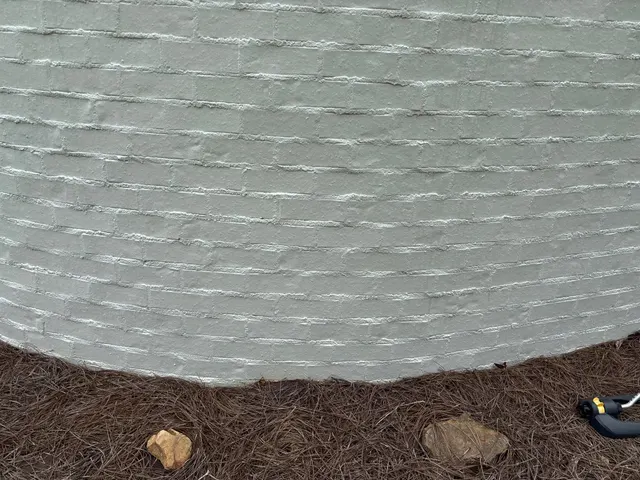
A bowing wall curves or leans inward, usually most pronounced at the midpoint of the wall. You may notice a horizontal crack running across the middle of a basement or crawl space wall, or you can place a long straightedge against the wall and see daylight behind it. In Alabama block-wall basements, the blocks themselves may appear to be shifting inward in a gentle arc.
Alabama's Piedmont clay belt, covering the Birmingham corridor, parts of Huntsville, and areas around Columbus GA, is among the most problematic soils for foundation wall stability in the Southeast. Seasonal wet-dry cycles cause soil to swell and shrink repeatedly, ratcheting wall deflection worse each year.
What Causes Bowing or Leaning Foundation Walls in Alabama Homes
Lateral Soil Pressure from Expansive Clay
Alabama's heavy clay soil absorbs moisture and expands significantly during wet seasons. This outward pressure against the wall can exceed the wall's design capacity, causing it to bow inward at its weakest point, typically mid-height.
Hydrostatic Pressure
When groundwater builds up against the outside of a foundation wall without adequate drainage, the water pressure alone can push masonry or poured concrete walls inward, especially after heavy Alabama rainfall events.
Poor or Failed Drainage Systems
Gutters that discharge near the foundation or landscaping that slopes toward the house concentrate water at the wall. Over time this saturates the backfill soil and multiplies the lateral load on the wall.
Aging or Undersized Wall Construction
Many older Alabama homes built in the 1950s through 1980s used single-wythe concrete block walls designed to minimal standards. As soil conditions and drainage shift over decades, these walls are especially vulnerable to bowing.
Signs You Should Not Ignore
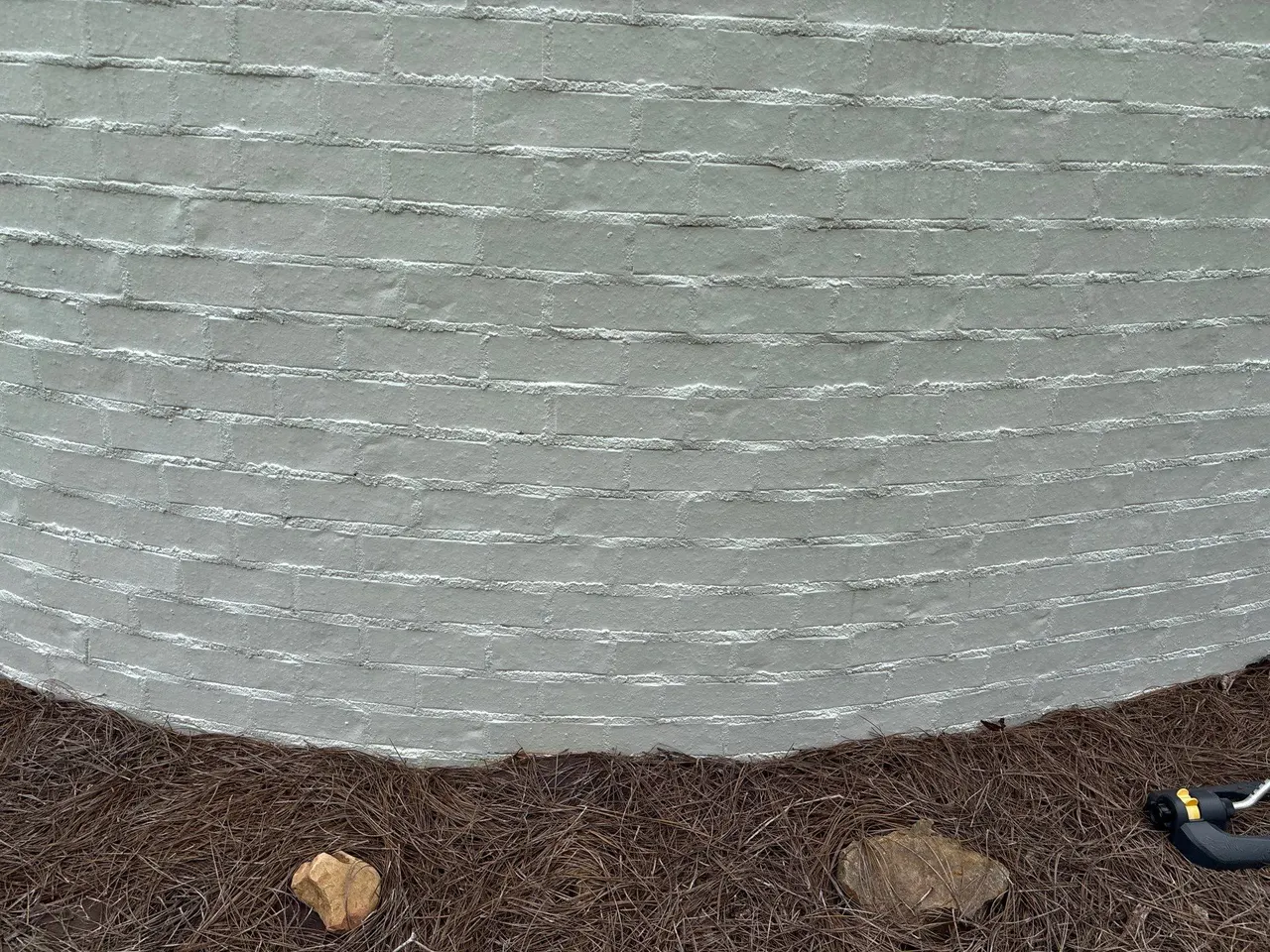
- Horizontal crack running at mid-height of the wall
- Wall deflecting inward 1 inch or more
- Stair-step cracking along mortar joints near the bowing section
- Visible gap opening between the top of the wall and the floor system above
- White mineral deposits (efflorescence) concentrated at the crack, indicating active water intrusion
How We Diagnose and Repair the Problem
- 1
Free On-Site Assessment
An APS technician visits your property, documents the symptom and severity, and reviews all related indicators to build a complete picture.
- 2
Root Cause Diagnosis
Wall anchors driven into stable soil beyond the failure zone are the most common repair; carbon fiber straps provide an alternative when exterior excavation is not feasible.
- 3
Written Estimate
You receive a clear written scope of work and cost estimate before any repair begins. No obligation.
- 4
Repair With Transferable Warranty
All APS foundation repairs carry a warranty that transfers to future owners. Serving Birmingham, Mobile, Huntsville, and Columbus, GA.
“A 2-inch bow is the point of no return for DIY watching. At that stage the wall has lost substantial lateral strength and the repair options change significantly, always get a structural evaluation before that threshold.”
Frequently Asked Questions
How much bowing is too much before I need immediate repair?
Industry consensus places 2 inches of inward deflection as the critical threshold, beyond that point the wall has lost significant structural capacity and excavation-based repair may be required. At 1 inch or less, carbon fiber straps or wall anchors can typically arrest the movement without excavation. Do not wait: bowing walls do not self-correct.
Can a bowing wall be repaired without digging up my yard?
Yes. Wall anchors are driven through small holes in the wall into stable soil 8 to 10 feet out, no large excavation needed. Carbon fiber straps bond directly to the wall face and require no exterior work at all. APS evaluates your specific wall condition to determine which system is appropriate.
Will the wall ever straighten back out?
Wall anchors can be gradually tightened each year as the soil dries, allowing controlled restoration of wall position over time, though full straightening is not always achievable. Carbon fiber locks the wall in its current position and prevents further movement but does not reverse existing deflection.
Does homeowner's insurance cover bowing wall repair?
Most standard homeowner's policies exclude foundation movement caused by soil pressure or gradual settlement. Some policies cover sudden structural damage. APS can provide documentation to support your claim review, but coverage varies and we recommend confirming directly with your insurer.