
What Efflorescence Tells You About Your Basement Waterproofing
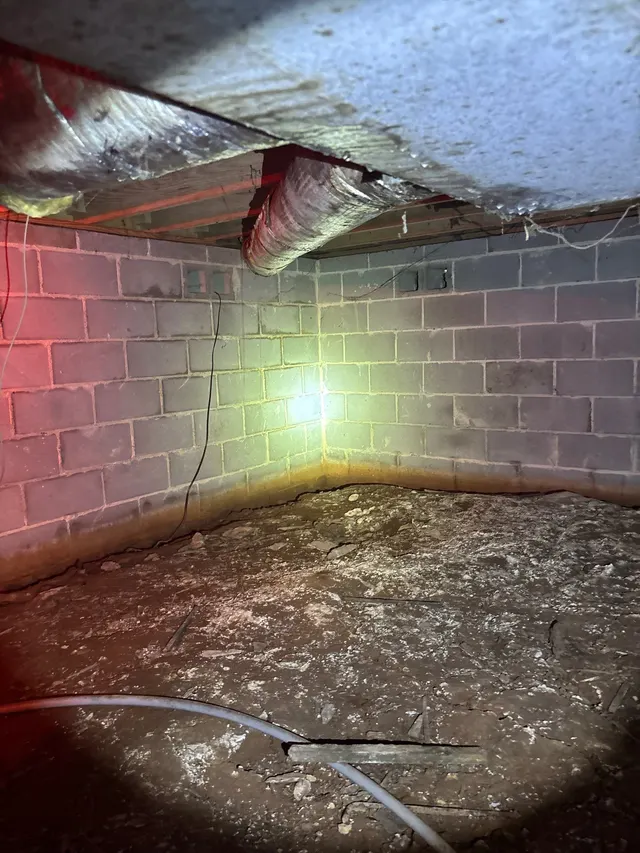
Efflorescence appears as a white, chalky, or crystalline residue on basement block and concrete walls and floors. It forms when water moves through the masonry, dissolves natural salts, and evaporates at the surface, leaving the salts behind. The deposit itself is cosmetic, but its presence confirms an active moisture path through the wall, and where that water goes it also feeds mold, damages finishes, and signals rising soil pressure.
Porous block basements and moisture-holding clay soil across Alabama make efflorescence a common sight, and APS uses it as a starting point to trace the water path in Birmingham, Huntsville, and nearby markets.
What Causes Efflorescence in Alabama Homes
Water Migrating Through Masonry
Soil moisture under pressure moves through porous block and concrete, carrying dissolved salts. When it reaches the inside face and evaporates, the salts crystallize as efflorescence, marking exactly where water is passing through.
Hydrostatic Pressure at the Wall
Saturated Alabama clay drives water into the wall from the soil side. The more pressure and moisture, the more salt is transported and deposited, so heavy efflorescence usually means a significant water path.
Missing or Failed Exterior Waterproofing
Without an intact exterior membrane, the soil face of the wall stays wet, allowing continuous moisture movement and repeated efflorescence even after the surface is cleaned.
Poor Drainage Keeping the Wall Wet
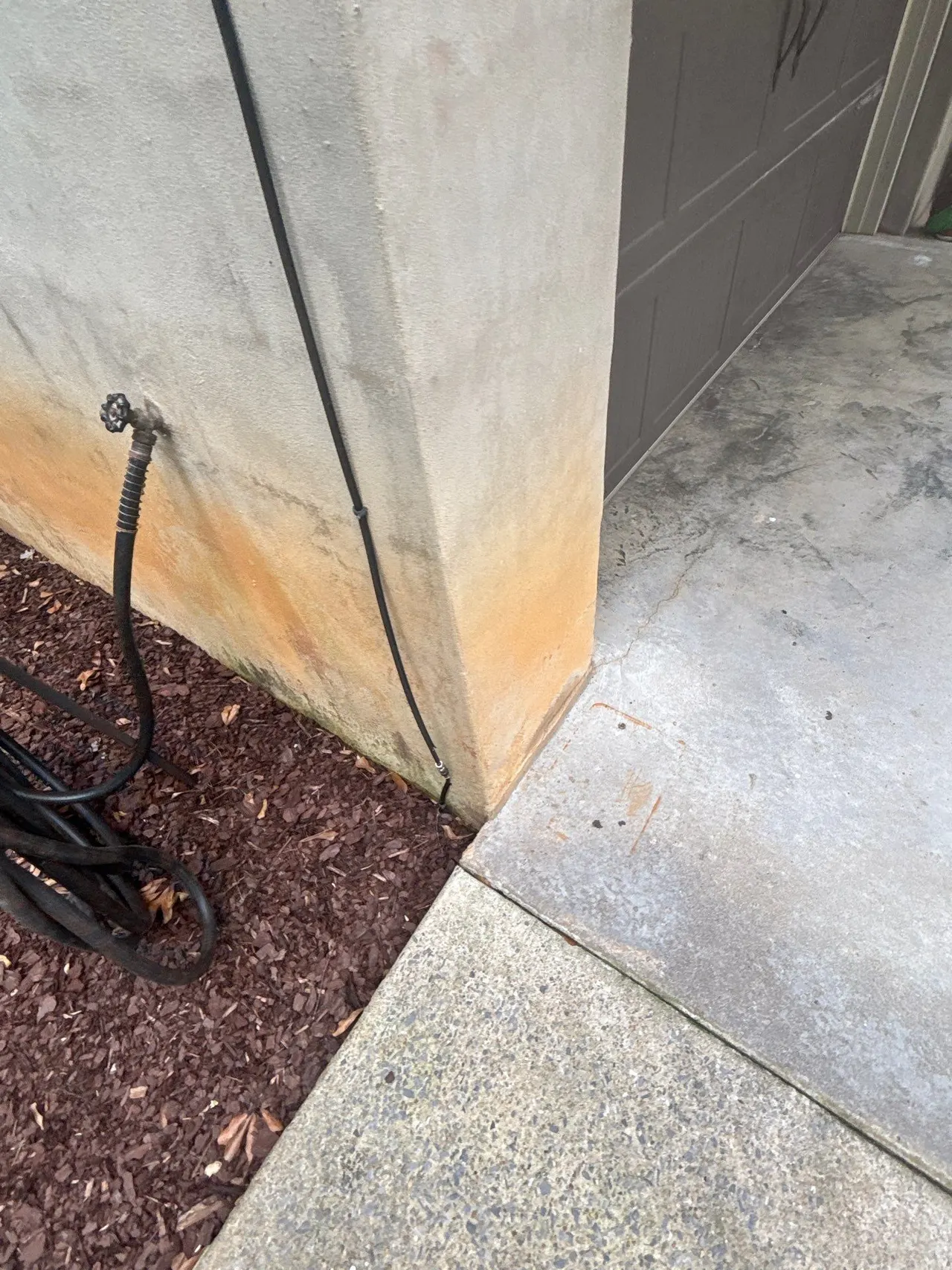
Downspouts and grading that hold water against the foundation keep the masonry saturated, sustaining the evaporation cycle that produces the crust.
Signs You Should Not Ignore
- White chalky or crystalline residue on block or concrete
- Deposits that return after you brush or wash them off
- Damp or darkened masonry around the deposits
- Efflorescence heaviest low on the wall or near the cove
- Musty odor or mold accompanying the residue
How We Diagnose and Repair the Problem
- 1
Free On-Site Assessment
An APS technician visits your property, documents the symptom and severity, and reviews all related indicators to build a complete picture.
- 2
Root Cause Diagnosis
Because efflorescence marks a water path, the fix is to stop the water: exterior waterproofing and drainage keep soil moisture off the wall, and interior drainage manages water that reaches the footing, after which the deposits stop returning.
- 3
Written Estimate
You receive a clear written scope of work and cost estimate before any repair begins. No obligation.
- 4
Repair With Transferable Warranty
All APS foundation repairs carry a warranty that transfers to future owners. Serving Birmingham, Mobile, Huntsville, and Columbus, GA.
“Efflorescence is a receipt for water that already passed through the wall. We read it as a map to where the moisture is getting in.”
Frequently Asked Questions
Is efflorescence itself harmful?
The white deposit is not harmful and is not mold. What matters is what it proves: water is actively moving through the wall. That same moisture can feed mold, damage finishes, and indicate soil pressure, so the deposit is a useful early warning.
Can I just clean it off?
You can remove the surface residue, but if the water path remains, it returns. The lasting fix is stopping the moisture moving through the masonry, after which cleaning becomes permanent.
How is efflorescence different from mold?
Efflorescence is mineral salt, usually white, crystalline, and odorless, and it wipes to a powder. Mold is organic, often dark or fuzzy, and carries a musty smell. They can appear together because both point to the same underlying moisture.
What does APS recommend when there is efflorescence?
We treat it as evidence of a moisture path and inspect to find the source, then recommend exterior waterproofing, drainage, or interior water management to stop it. You receive a written plan and a free estimate.