
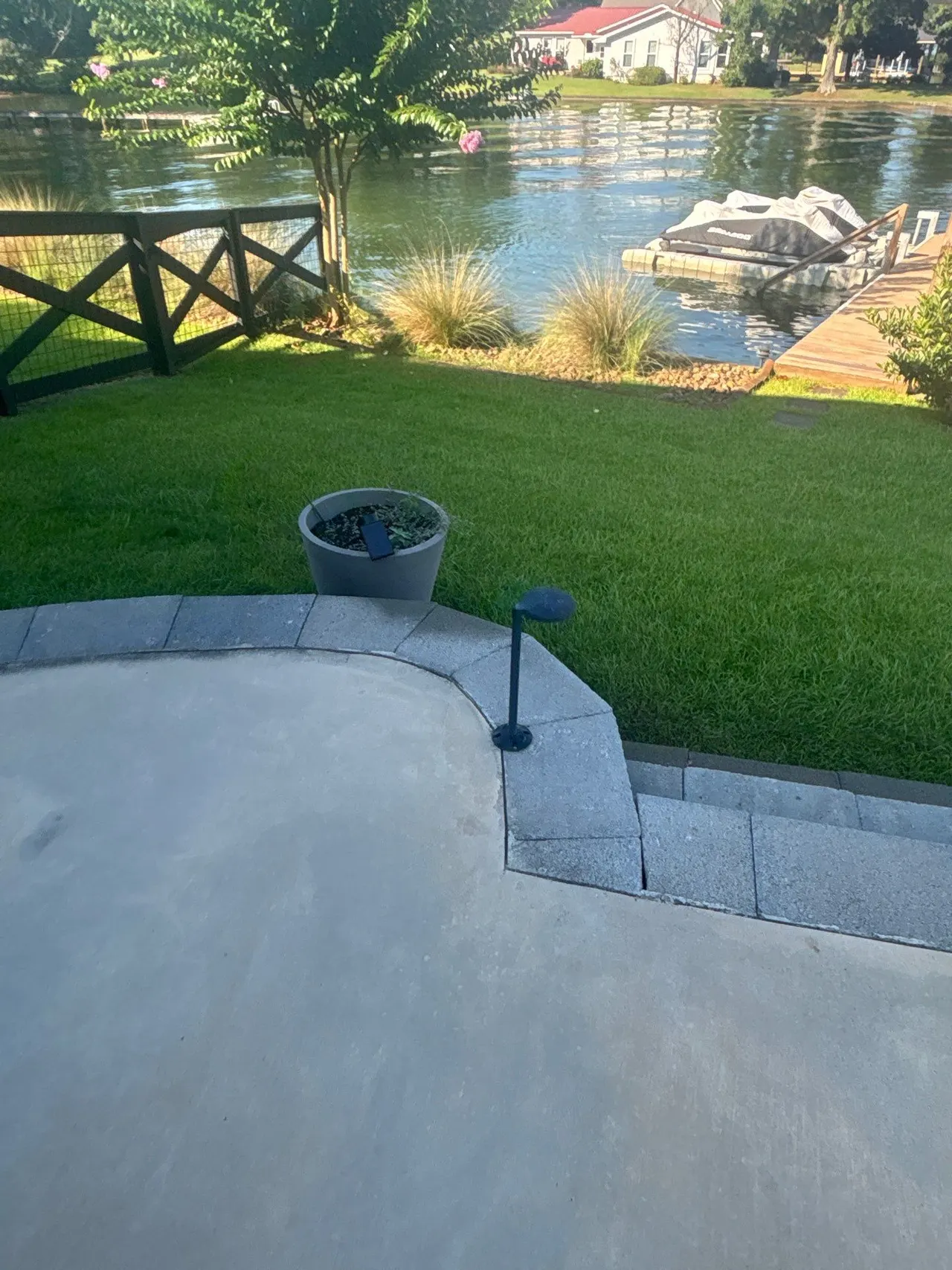
Concrete warning signs, and what each one means
Each sign below explains what it indicates, what typically causes it in Alabama's soil, and how APS lifts, grinds, patches, or seals to fix it.
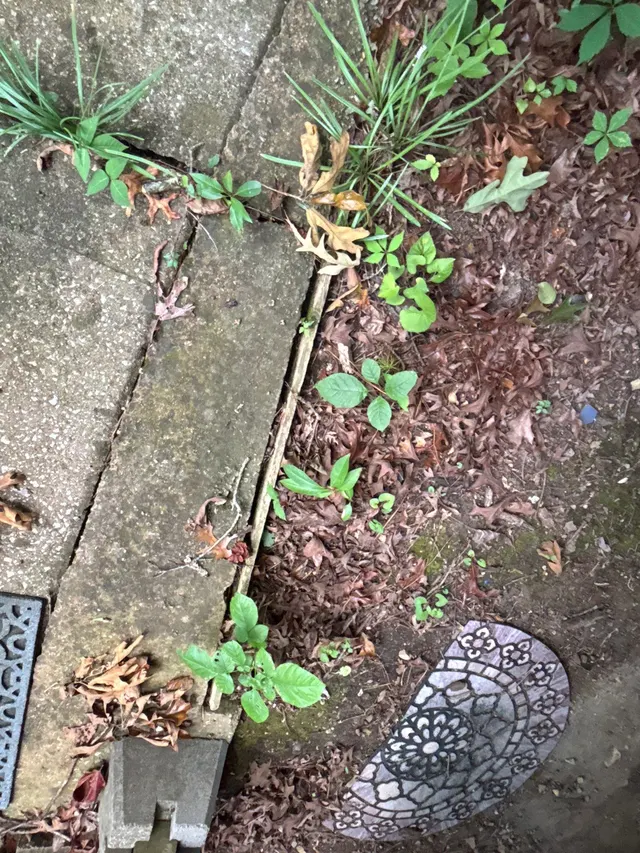
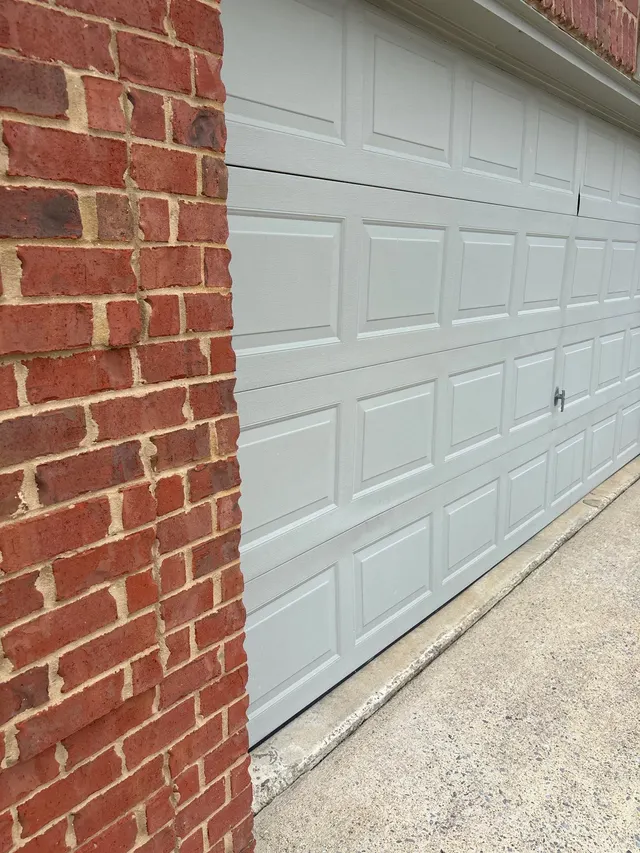
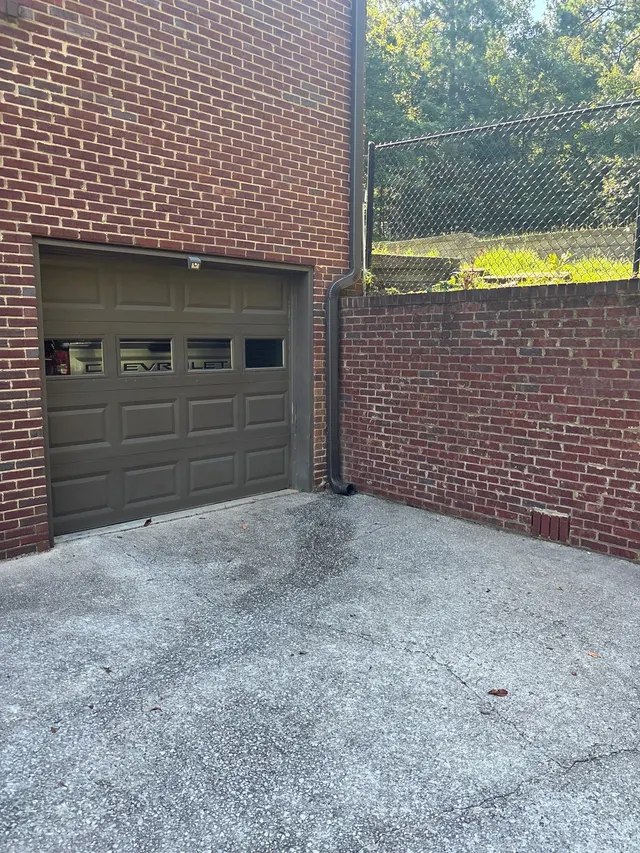
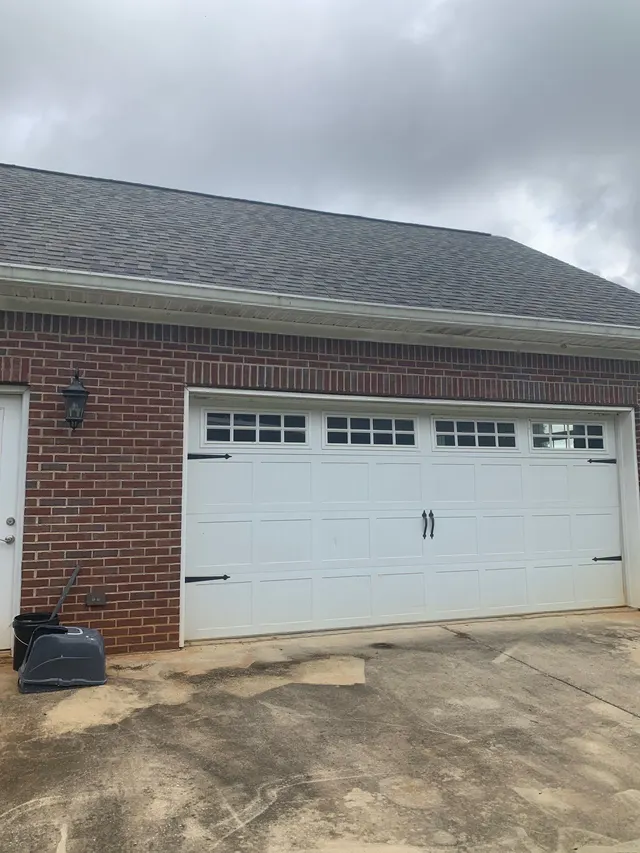
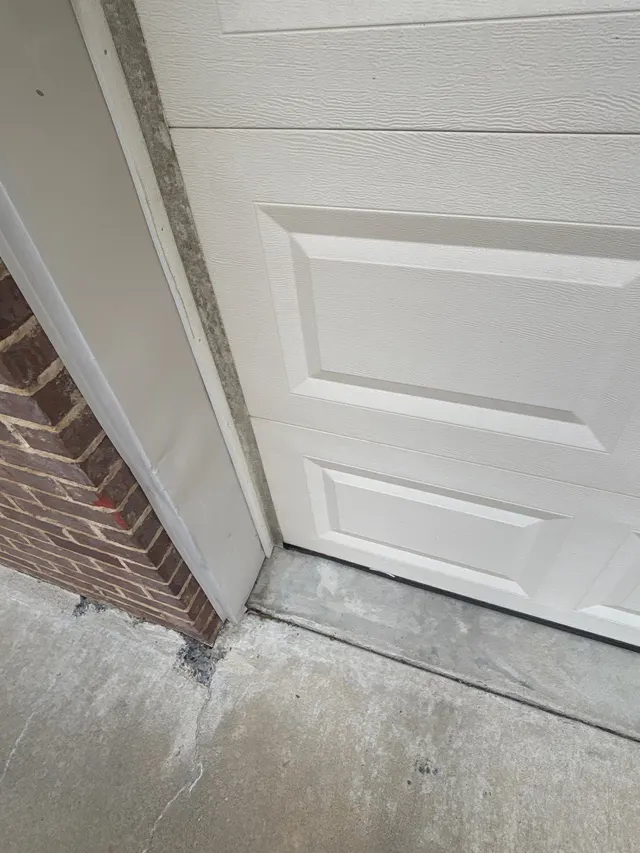
Not every sign is an emergency, but none should be permanently ignored. The earlier concrete settlement is addressed, the simpler and less costly the fix. APS offers free, no-obligation assessments across Alabama and Columbus, GA.
Frequently asked questions
Can sunken concrete be lifted instead of replaced?
In most cases, yes. Polyurethane foam injection lifts settled driveways, sidewalks, patios, pool decks, and garage floors back to level by filling the voids beneath them. It is faster and less expensive than tearing out and repouring, and the surface can usually be used the same day.
Why does concrete sink and crack so much in Alabama?
Alabama's expansive clay swells when wet and shrinks in drought, and heavy rain erodes the soil under slabs. Together they create the voids and movement that cause flatwork to settle, crack, and go uneven. The concrete itself is usually sound; the problem is the soil supporting it.
Does APS do mudjacking?
No. APS uses polyurethane foam injection rather than mudjacking. Foam is lightweight, hydrophobic, and fast-curing, so it does not add heavy slurry weight to the soil or wash out, and it cures quickly for same-day use.
Are uneven slabs and trip lips a liability?
They can be, especially on sidewalks and pool decks at a home or business. An uneven lip is a genuine trip-and-fall hazard. Leveling or grinding the concrete removes the hazard for far less than the cost of an injury claim.
When should I call APS about my concrete?
Call when a slab has sunk, when trip lips or gaps have opened, when water pools where it did not before, or when cracks are widening. A free APS assessment identifies whether the slab needs lifting, grinding, patching, or joint sealing.