
What Cracked Driveway Tells You About Your Concrete Leveling
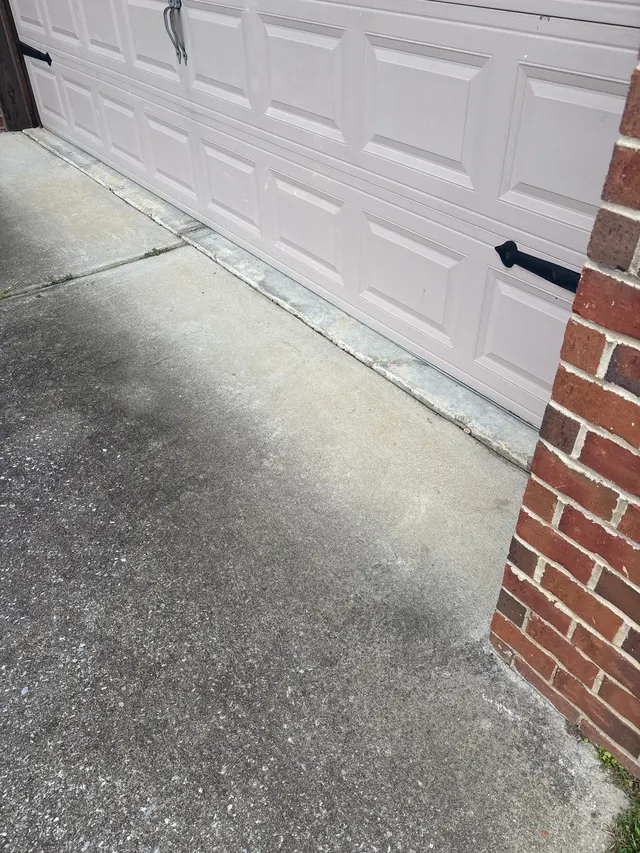
Stand at the street and sight down the driveway after a rain. The story is usually visible: water enters at a joint or edge, the panel nearest the discharge sits low, and the cracks radiate from the low corner. Driveways fail earlier than other flatwork because they get the worst of both loads, vehicles on top and concentrated roof runoff underneath. Every storm moves a little more fill, the unsupported area grows, and the wheel load does the breaking. Alabama's storm pattern accelerates it: a single stalled system can drop several inches in a day, and a nine day run like March 2026 reworks the soil under a vulnerable driveway noticeably. Catching it at the first offset crack keeps the repair small.
Alabama driveways absorb some of the country's heaviest residential rain loads. Between summer downpours and multi day saturation events, unsealed joints and edge washout keep driveway settlement one of the most common leveling calls APS runs from Birmingham to Columbus.
What Causes Cracked Driveway in Alabama Homes
Downspout Discharge at the Slab Edge
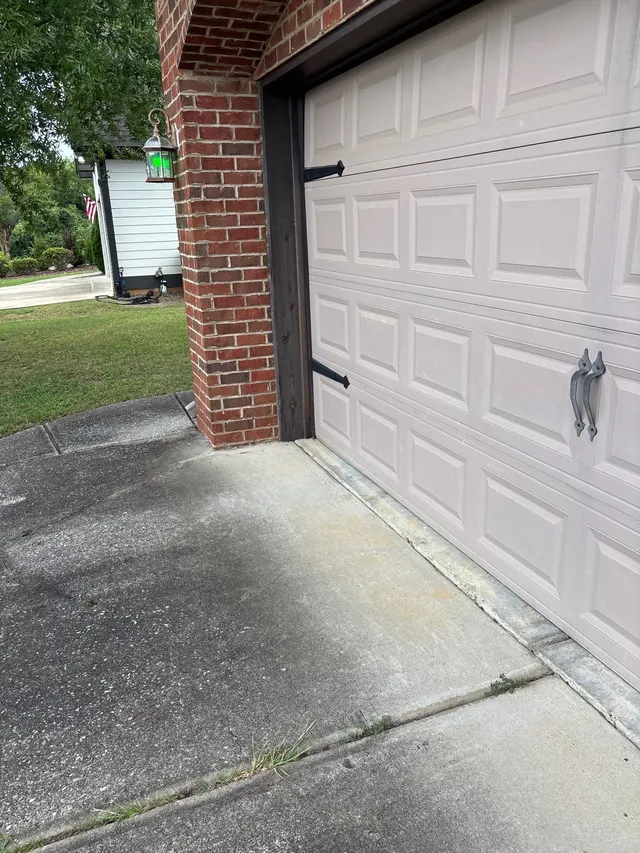
A downspout that empties beside the driveway pushes gallons under the slab every storm. The panel edge nearest the discharge loses fill first and cracks under the next vehicle.
Joint Failure
Driveway joints are the designed weak lines. When the filler fails, water enters directly under the slab at every rain, and the panels on either side settle unevenly.
Wheel Path Consolidation
Fill under the tire lines compacts more than fill under the slab center. The wheel paths drop, the crown of the slab holds, and longitudinal cracks split the difference.
Slope Toward the Garage
Driveways that tilt back toward the house pond water at the apron. The apron slab and garage entry then settle together, and the crack shows up right where you drive over it daily.
Signs You Should Not Ignore
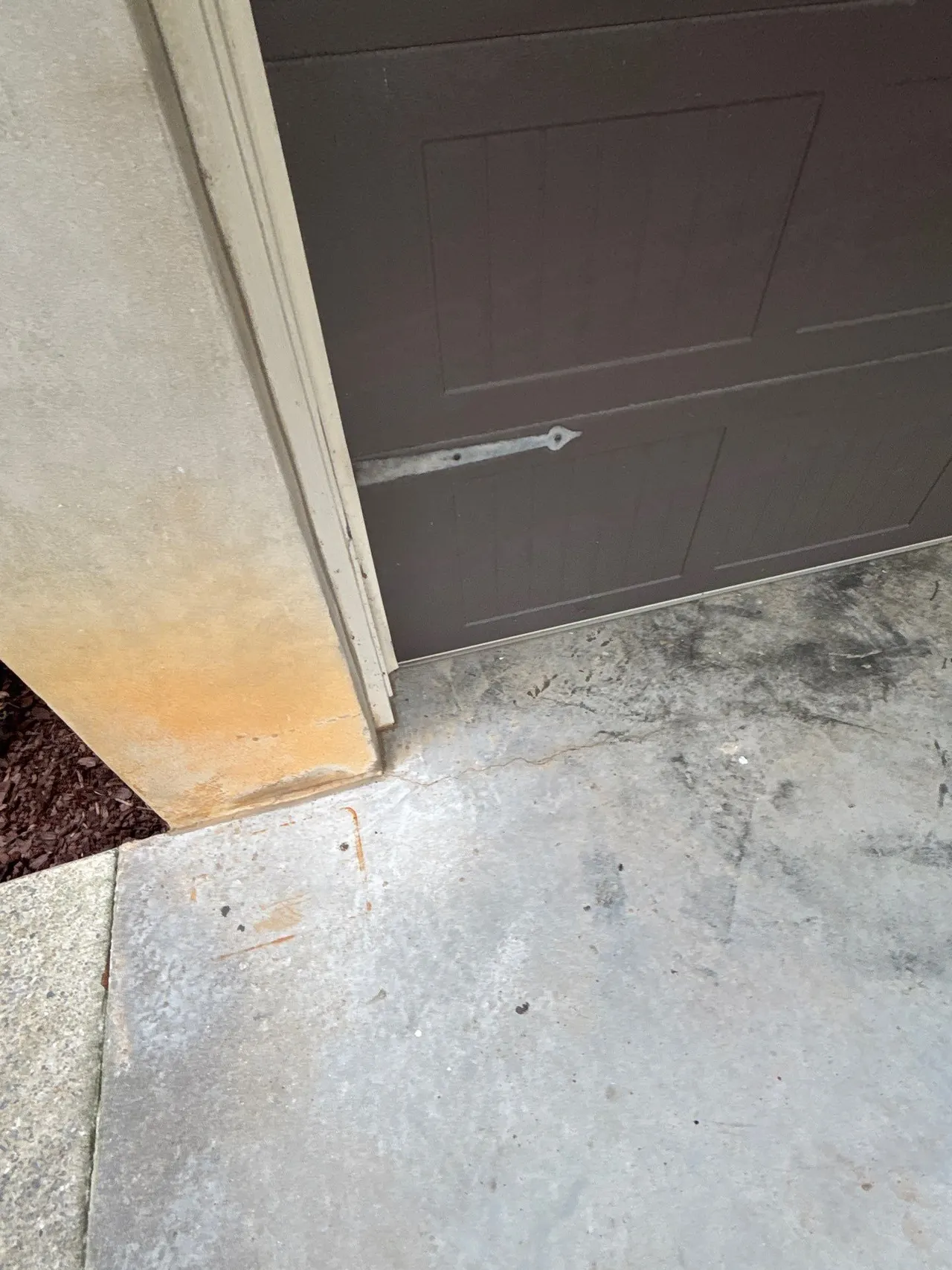
- Cracks radiating from a low corner or joint
- A lip forming at the street apron or garage entry
- Ponding on one panel after every rain
- Joint filler cracked, sunken, or missing
- The slab flexes or clicks when a vehicle crosses one spot
- Gaps opening between the driveway edge and the lawn
How We Diagnose and Repair the Problem
- 1
Free On-Site Assessment
An APS technician visits your property, documents the symptom and severity, and reviews all related indicators to build a complete picture.
- 2
Root Cause Diagnosis
APS lifts the settled panels with polyurethane foam injected through small ports, restores the intended drainage slope, and seals the joints so storms stop feeding the soil under the slab. Where a downspout caused the washout, the estimate includes rerouting the discharge so the same failure does not restart. Most driveways carry vehicles again the same afternoon.
- 3
Written Estimate
You receive a clear written scope of work and cost estimate before any repair begins. No obligation.
- 4
Repair With Transferable Warranty
All APS foundation repairs carry a warranty that transfers to future owners. Serving Birmingham, Mobile, Huntsville, and Columbus, GA.
“Driveways tell on the gutters. When I see a cracked low corner, the first thing I look for is the downspout, and it is usually right there pointing at the damage.”
Frequently Asked Questions
Can I keep parking on a cracked driveway?
Light use is usually fine while you schedule an assessment, but every vehicle pass works the crack wider once a void is under it. The earlier the lift, the smaller and cheaper the repair.
Is foam strong enough for vehicle loads?
Yes. The structural polyurethane APS uses is engineered for highway and slab lifting work and spreads vehicle loads across the filled void. It also cures in minutes rather than the days mudjacking material takes.
Why not just tear out and repour?
Replacement costs several times more, takes the driveway out of service for a week or longer, and the new slab sits on the same soil that failed. Leveling fixes the soil problem and keeps the concrete you already paid for.
What about the joints?
Joint sealing is usually part of the scope. Open joints are how the water got under the driveway, and closing them is what makes the lift last.