
What Rotten Wood in Crawl Space Tells You About Your Wood Damage Repair
Wood rot in crawl space structural members, floor joists, sill plates, girders, and subflooring, is one of the most underdiagnosed structural threats in Alabama homes. Because crawl spaces are out of sight, rot can progress for years before the homeowner notices symptoms above, bouncing floors, soft spots underfoot, sagging subflooring, or doors that won't close. Wood rot requires three things to thrive: oxygen, temperature above freezing, and wood moisture content above approximately 28%. Alabama's crawl spaces, warm year-round, with relative humidity regularly exceeding 80% in unconditioned spaces, provide ideal conditions. Without moisture control, rot fungi will find a host in every crawl space in the state eventually.
Alabama's climate sits at the intersection of high annual humidity, warm temperatures, and frequent rainfall, conditions that are essentially optimal for wood-destroying fungi. Mobile, with its Gulf Coast proximity and near-tropical summer humidity, is especially aggressive toward unprotected crawl space wood. Birmingham and Huntsville have slightly lower average humidity but still far exceed the threshold for active wood rot fungi through most of the year. Every unconditioned crawl space in Alabama should be considered at risk without active moisture management.
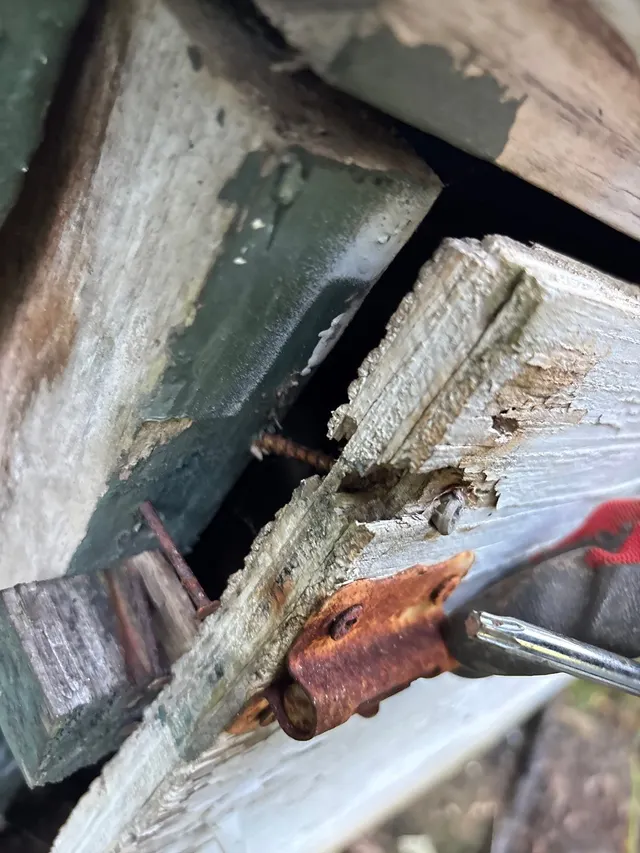
What Causes Rotten Wood in Crawl Space in Alabama Homes
Persistent High Crawl Space Humidity
Alabama's outdoor relative humidity regularly exceeds 80% through the summer and fall months. Unconditioned crawl spaces equilibrate with outdoor air, meaning they are humid for most of the year. When wood in the crawl space consistently maintains moisture content above 28%, rot fungi become active and begin digesting the cellulose in the wood's cell walls, destroying its structural integrity.
Standing Water or Soil Moisture
Standing water in the crawl space, from drainage problems, plumbing leaks, or high water table, keeps structural wood continuously wet. Even periodic flooding from heavy Alabama rainstorms can wet wood enough to initiate rot, and the subsequent warm and humid conditions prevent it from drying before the fungi establish themselves.
Inadequate or Missing Vapor Barrier
Exposed soil in the crawl space is a continuous source of moisture vapor that migrates upward into the wood framing above. A properly installed vapor barrier, covering all exposed soil and lapped up the walls, significantly reduces the moisture contribution from the soil. Without it, the soil is essentially a moisture pump working against the structural wood above it.
Poor Ventilation or No Encapsulation
Traditional crawl space ventilation strategies, relying on passive vents, are often inadequate in Alabama's climate because outdoor air is frequently more humid than the crawl space air it is supposed to dry out. Encapsulated crawl spaces with conditioned air or dedicated dehumidifiers maintain much lower humidity levels and are far more effective at preventing wood rot.
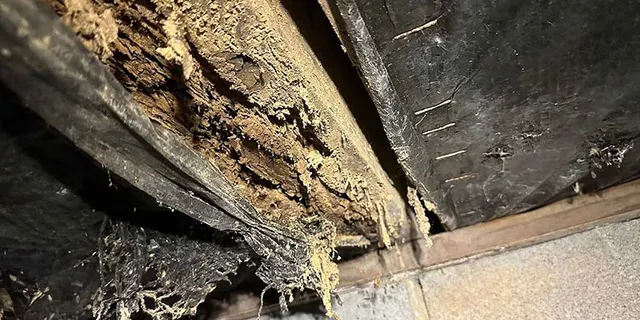
Signs You Should Not Ignore
- Soft or spongy spots in the subfloor when walking in rooms over the crawl space
- Discoloration of floor joists or subflooring visible in crawl space inspection, dark staining, white mycelial growth, or orange-brown crumble
- Wood that is soft when probed with a screwdriver, a healthy joist should require significant force to penetrate; rotted wood yields easily
- Visible fungal growth (mushrooms, white or gray mold masses) on structural wood in the crawl space
- A musty or earthy smell coming from the crawl space, especially after rain events
- Sagging subfloor visible from the crawl space between joists
- Sill plates that have soft or crumbling sections at the wall-foundation interface
- Moisture readings in the crawl space wood consistently above 19% on a moisture meter
How We Diagnose and Repair the Problem
- 1
Free On-Site Assessment
An APS technician visits your property, documents the symptom and severity, and reviews all related indicators to build a complete picture.
- 2
Root Cause Diagnosis
A Mobile homeowner called APS after noticing the master bathroom floor had developed a soft spot that flexed noticeably. Crawl space inspection revealed the sill plate and three adjacent floor joists had severe white rot from years of moisture infiltration, the wood crumbled when probed. APS removed and replaced the affected sill plate section, sister-joisted alongside the damaged joists with pressure-treated lumber, applied borate treatment to adjacent wood, and installed a vapor barrier across the entire crawl space floor. A dehumidifier was recommended to maintain ongoing humidity control.
- 3
Written Estimate
You receive a clear written scope of work and cost estimate before any repair begins. No obligation.
- 4
Repair With Transferable Warranty
All APS foundation repairs carry a warranty that transfers to future owners. Serving Birmingham, Mobile, Huntsville, and Columbus, GA.
“Alabama crawl spaces are basically wood rot incubators without moisture control. I have seen joists that looked intact from below until we probed them and found nothing left inside the shell. The humid climate here demands active moisture management, passive vents just do not cut it.”
Frequently Asked Questions
How quickly does wood rot progress in an Alabama crawl space?
Under persistently wet and humid conditions, white rot and brown rot fungi can cause significant structural damage within two to five years. In Alabama crawl spaces that experience seasonal flooding or chronically high humidity, we find cases where rot has progressed from minor to severe in three to four years. The warm temperatures throughout most of the year, which keep fungi active almost year-round, accelerate the process compared to cooler climates.
Can I treat the rot with a chemical and save the wood?
Borate treatment is effective at halting active rot and preventing future fungal growth in wood that retains adequate structural integrity. But wood that has already lost significant structural integrity, that is soft, crumbling, or has lost more than about 20% of its cross-section, cannot be restored by chemical treatment. That wood must be replaced. APS evaluates each member individually to determine whether treatment or replacement is required.
Is borate treatment safe for my family?
Yes, borate wood preservatives have very low mammalian toxicity and are one of the preferred treatments for crawl space wood because they are effective against fungi and wood-destroying insects without the health concerns associated with older preservative compounds. They have no odor once dry and do not off-gas into the living space.
Will fixing the rot fix my bouncing floor?
If the bounce is caused by rotted joists that have lost rigidity, replacing those joists restores the floor system. But if the bounce is also caused by settlement of the foundation or support posts, those issues need to be addressed at the same time. APS assesses the full crawl space structure, wood condition, post condition, foundation condition, and moisture levels, before recommending a comprehensive repair plan.