
What Is Basement Flooding?
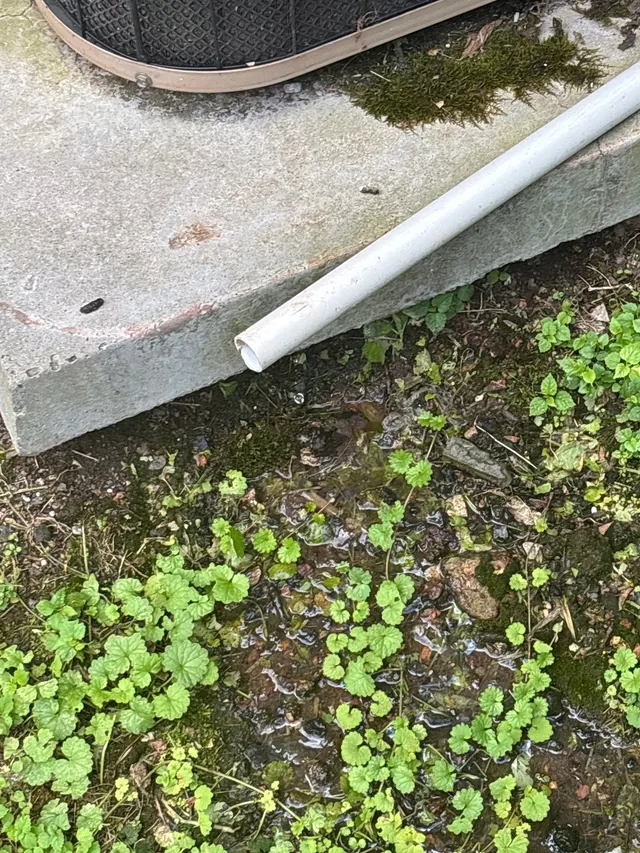
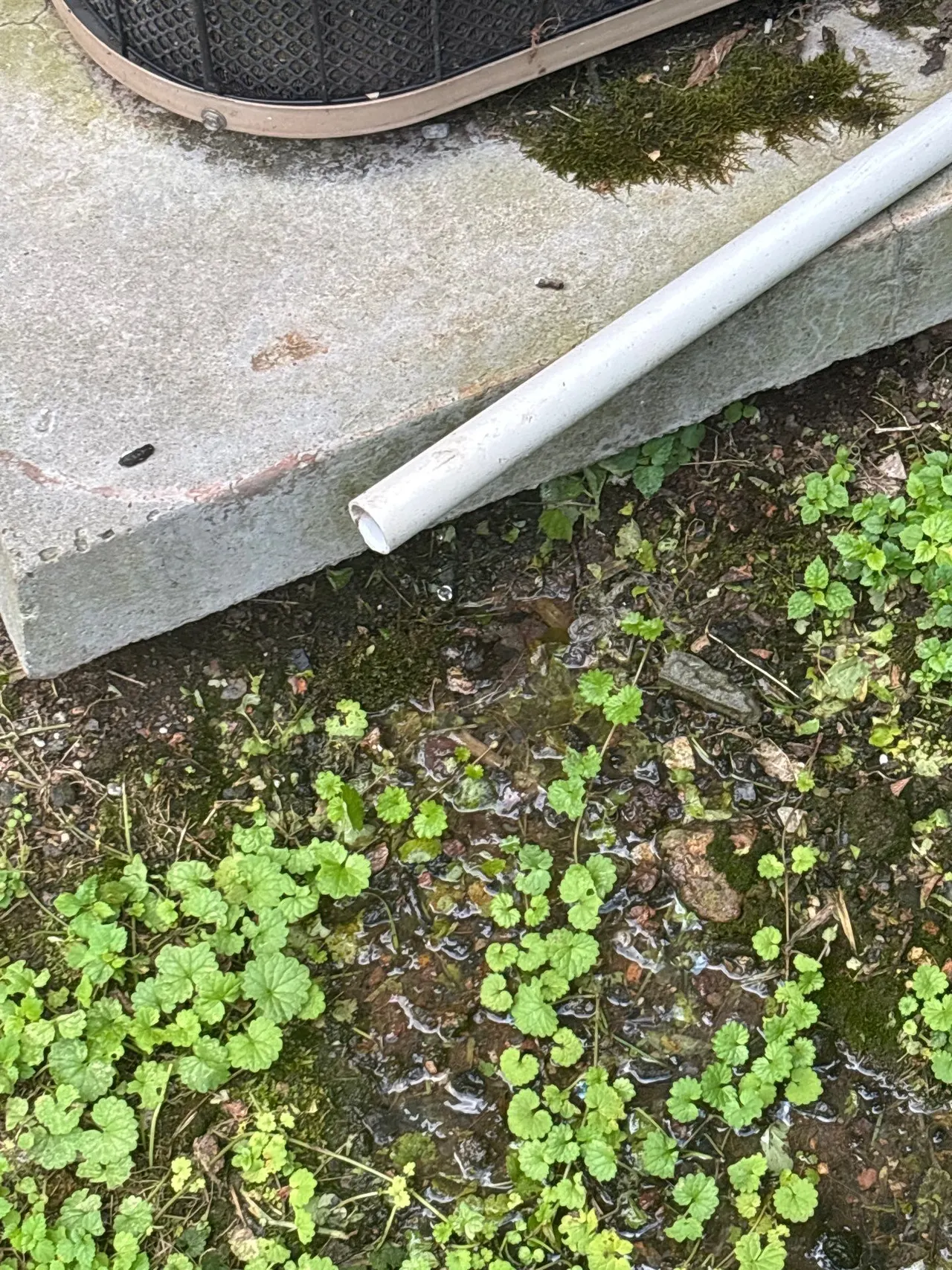
A basement that floods during Alabama's heavy rain events has a drainage failure, not bad luck. Water is entering through specific paths, wall cracks, the floor-wall joint, floor cracks, or through the wall itself under hydrostatic pressure, and the entry points and their root causes can be identified and permanently addressed. APS begins with an assessment to identify where water is entering and why, whether it is overland surface water from improper grading, groundwater rising under hydrostatic pressure, or water entering through specific cracks or joints. The solution is designed around the specific water source. Most basement flooding solutions involve some combination of: interior perimeter drainage to collect and route water to a sump pump; sump pump with battery backup; crack injection to seal specific entry points; and exterior grading or downspout extension work to redirect surface water away from the foundation. Alabama's storm events, including tropical systems that bring inches of rain in hours, mean sump systems must be sized for peak capacity. Battery backup is non-negotiable given the frequency of power outages during severe weather.
How APS Approaches Basement Flooding
- 1
Free On-Site Assessment
A trained APS technician visits your property, documents the problem, and identifies the root cause before recommending any repair.
- 2
Written Estimate
You receive a clear scope of work and cost with no obligation. We explain the method chosen and why, in plain language.
- 3
Repair and Transferable Warranty
Our trained crews complete the repair using professional equipment. All APS repairs carry a warranty that transfers to future owners.
What Does Basement Flooding Cost?
$4,000 to $15,000 depending on scope of drainage and waterproofing required
Frequently Asked Questions
My basement only floods during heavy rain, is that still a problem?
Yes. Flooding only during rain events indicates surface or near-surface water entering through specific paths. Those paths will worsen over time. The correct solution addresses the entry point and the drainage.
Does interior drainage actually stop water from entering?
Interior drainage does not stop water from entering through the wall. It collects water at the base of the wall and routes it to the sump before it can spread across the floor. Crack injection stops entry at specific cracks. Together, they manage and seal the problem.