
What Drywall Nail Pops Down a Wall or Ceiling Tells You About Your Foundation Repair
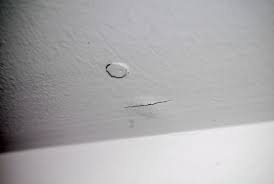
A nail pop appears as a small round crack or bump where a drywall fastener has pushed the paint and joint compound outward from the surface. One or two scattered pops are common and usually harmless. The pattern that matters is a line of pops along a stud or ceiling joist, pops that reappear after repair, or pops that show up at the same time as cracks and sticking doors. That combination suggests the framing itself is flexing rather than the fasteners simply backing out.
Alabama's humid summers and drier conditioned winters cycle framing lumber year-round, so nail pops are common statewide. APS focuses on the pattern, because that is what separates ordinary pops from a home in Birmingham or Mobile whose framing is genuinely moving.
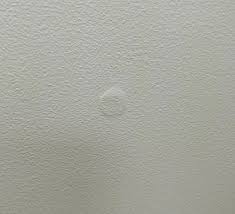
What Causes Drywall Nail Pops Down a Wall or Ceiling in Alabama Homes
Normal Fastener Movement
Wood framing shrinks slightly as it dries after construction, and seasonal humidity swings make it expand and contract. That everyday movement can back a fastener out enough to pop the surface. In isolation this is a cosmetic issue, not a structural one.
Framing Deflection From Foundation Movement
When a foundation settles or a floor system sags, the framing flexes. Fasteners along the affected studs or joists work loose in a row, producing a line of pops that follows the framing member. A pattern like that points below the drywall to the structure.
Crawl Space Sag Under the Room
If joists or girders in the crawl space deflect, the floor and the walls tied to it move. Ceiling nail pops running along a joist line often trace directly back to inadequate support underneath.
Humidity Cycling in Alabama Summers
High summer humidity across Alabama and the Gulf Coast swells framing lumber, then it shrinks in conditioned winter air. Repeated cycling loosens fasteners over time, which is why APS weighs the pattern and the companion signs rather than the pops alone.
Signs You Should Not Ignore
- Pops form a straight line along a stud or ceiling joist
- They reappear soon after being patched
- They show up along with cracks at corners or door frames
- Floors in the room feel bouncy or sloped
- New pops keep emerging over consecutive seasons
How We Diagnose and Repair the Problem
- 1
Free On-Site Assessment
An APS technician visits your property, documents the symptom and severity, and reviews all related indicators to build a complete picture.
- 2
Root Cause Diagnosis
When nail pops trace framing that is moving because of foundation settlement or a sagging crawl space, stabilizing the structure with piers or crawl space support posts stops the flexing so drywall repairs will hold.
- 3
Written Estimate
You receive a clear written scope of work and cost estimate before any repair begins. No obligation.
- 4
Repair With Transferable Warranty
All APS foundation repairs carry a warranty that transfers to future owners. Serving Birmingham, Mobile, Huntsville, and Columbus, GA.
“One nail pop is drywall being drywall. A straight line of them that keeps coming back is the framing moving, and that is when we go looking underneath.”
Frequently Asked Questions
Are nail pops a sign of foundation problems?
Usually not on their own. Scattered pops are a normal result of lumber drying and humidity. They become a foundation clue when they line up along framing, keep returning after repair, or appear together with cracks and sticking doors.
I fixed my nail pops and they came back. Why?
If the framing behind the wall is still moving, resetting the fastener does not stop the underlying cause, so the pop returns. Recurring pops in the same line are worth investigating below the surface.
Should I be worried about a few pops after building or buying?
A modest number of pops in the first year or two of a home is normal as framing dries and settles. Watch the pattern over time. A stable scattering is cosmetic; a growing line paired with other signs is worth an inspection.
How does APS tell cosmetic from structural?
We look at whether the pops follow framing, whether they recur, and whether other signs are present, then we measure floors and inspect the foundation or crawl space. That tells us whether you need drywall work or structural work.