

What Are Reducing Pests?
Reducing pests in a crawl space is structural work: closing the openings they enter through and removing the conditions that attract them. APS seals failed foundation vents behind insulated covers, fits gasketed access doors, closes the gaps around pipe and wiring penetrations, and where moisture is the draw, encapsulates and dehumidifies the space. To be direct about scope: APS Foundation does not treat or exterminate pests, and nothing on this page is a chemical service. Treatment belongs to licensed pest control operators. Exclusion is the building side of the same problem, and it is the side that determines whether pests come back after treatment.
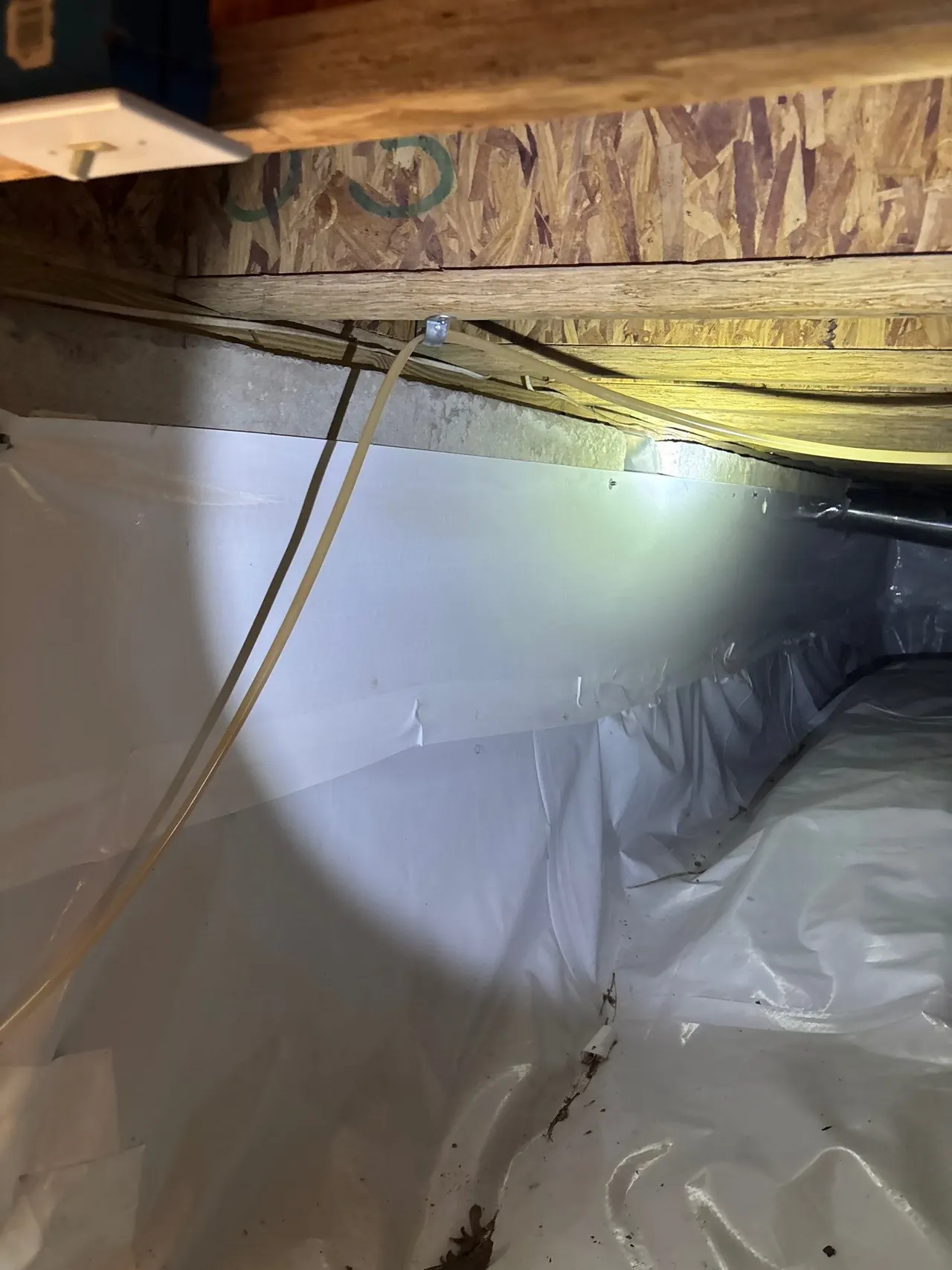
How Reducing Pests Work
Pests enter a crawl space through a countable set of openings: vents with failed louvers or screens, sagging access doors, and the unsealed gaps where plumbing and wiring pass through the foundation. An APS inspection maps every one of them. Vents get sealed, insulated covers. The access door is replaced or refit to close tight. Penetrations are sealed individually. Where damp soil or humid air is making the space attractive, a sealed liner and dehumidifier remove the draw. The result is a crawl space with no open doors and nothing inside worth moving in for.
“Treatment without exclusion is a subscription. Close the openings and dry the space, and the crawl space stops being worth breaking into.”
How APS Installs Reducing Pests
- 1
Inspect and Map Every Opening
APS inspects the full crawl space perimeter and interior, documenting each vent, door, gap, and penetration a pest could use, along with any moisture conditions that add to the attraction.
- 2
Confirm the Space Is Clear
If the inspection finds evidence of an active infestation, treatment by a licensed pest control operator comes first. APS seals after, so the fix locks in.
- 3
Seal Vents and Fit the Access Door
Failed foundation vents are closed behind sealed, insulated covers. The access door is replaced or refit so the largest intentional opening closes tight and stays serviceable.
- 4
Close Penetrations and Gaps
Each pipe, wiring, and duct penetration is sealed individually. Small gaps matter: a mouse passes through an opening the width of a dime.
- 5
Remove the Attraction
Where moisture is drawing pests, encapsulation and dehumidification dry the space. A dry, sealed crawl space offers neither the water nor the shelter that brought them in.
What Reducing Pests Cost and What Is Covered
Cost Range
Cost depends on the number of openings, door and vent count, and whether moisture control is included. APS provides a free written estimate after the inspection.
Warranty
APS in-house workmanship warranty plus manufacturer warranties on system components, both fully transferable to the next owner of the home.
Frequently Asked Questions
Is this a pest control service?
No. APS Foundation performs structural exclusion only: sealing the openings pests use. We do not apply treatments or exterminate. For an active infestation, use a licensed pest control company, then seal the entry points so the work holds.
Which openings matter most?
Foundation vents with failed screens are usually the largest, followed by deteriorated access doors and the unsealed gaps around plumbing and wiring penetrations. The inspection maps all of them; sealing only some leaves the job undone.
Does a sealed crawl space stay pest resistant?
Yes, and it stays inspectable. Sealed vents and doors do not rust open again the way screens do, and a bright liner makes any new activity obvious during routine checks.