
What Pests in the Crawl Space Tells You About Your Crawl Space Repair
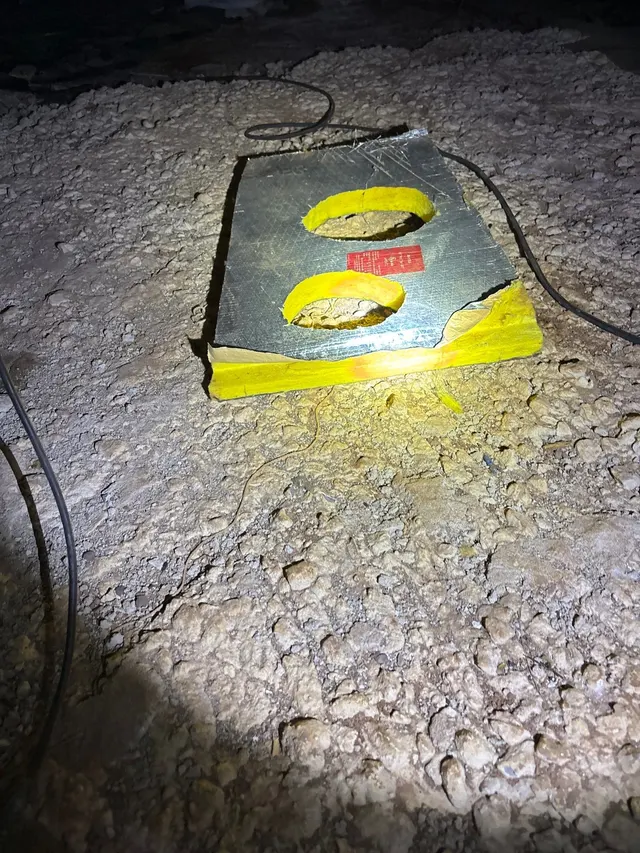
Droppings on the vapor barrier, nesting material tucked against the rim joist, chewed insulation, scratching sounds after dark. All of it points to the same root condition: the crawl space has openings a pest can use. Alabama crawl spaces collect them over time. Vent screens rust through, access doors sag out of square, and the gaps around pipe and wiring penetrations were often never sealed at all. A humid, vented crawl space also gives pests the two things they want most, moisture and shelter. One thing to be clear about up front: APS Foundation does not treat, exterminate, or apply chemicals for pests. That is licensed pest control work. What we fix is the building side of the problem, the openings and the moisture that keep inviting them back.
Alabama's mild winters and long humid season keep crawl space pest pressure high year round. Vented dirt crawl spaces stay damp, and damp sheltered spaces draw insects and rodents from Huntsville to the Gulf. Closing the openings and drying the space addresses the conditions rather than chasing this season's arrivals.
What Causes Pests in the Crawl Space in Alabama Homes
Failed or Unscreened Foundation Vents
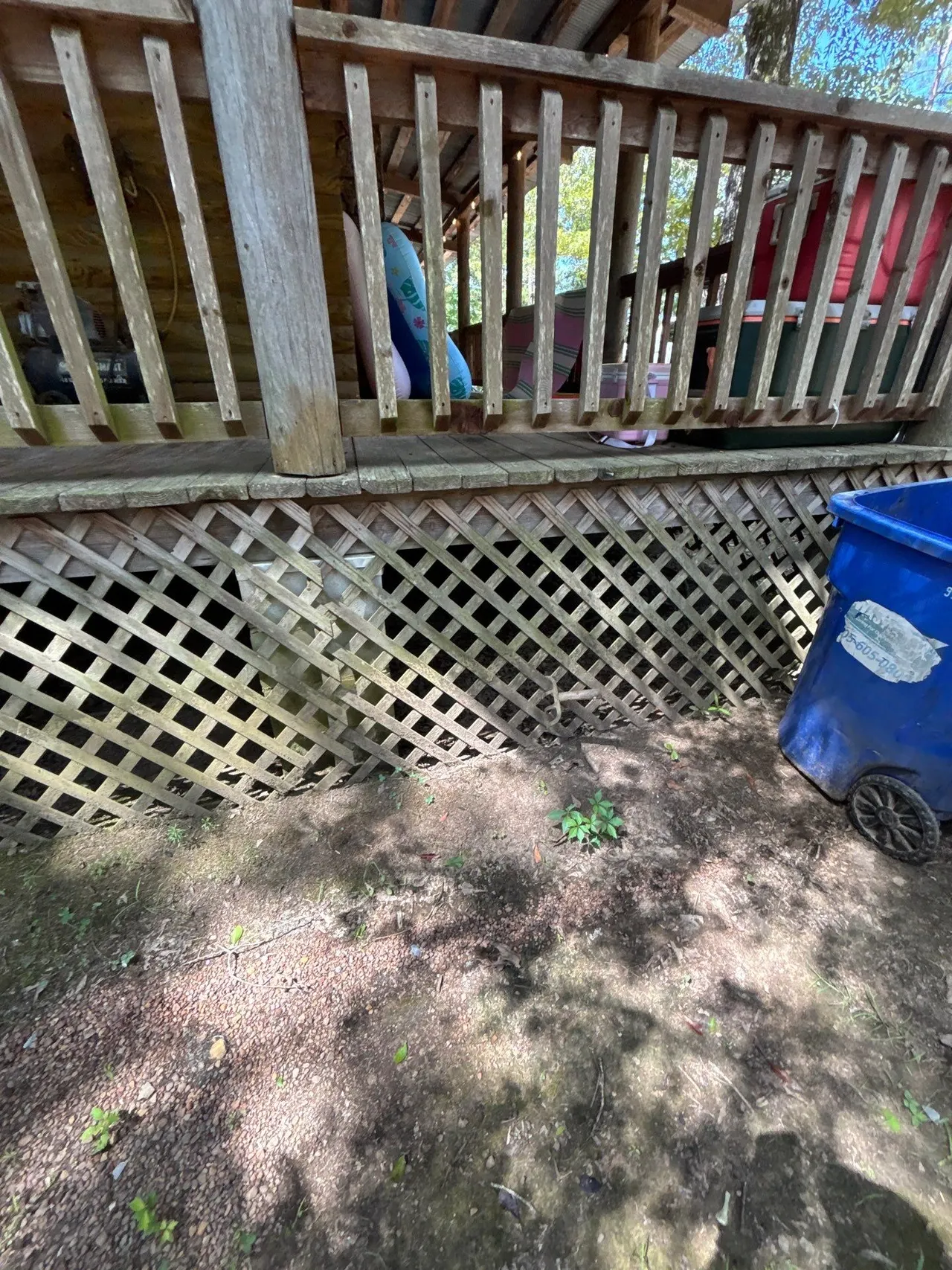
Foundation vents are the largest openings in the crawl space perimeter. Once the louvers or screens rust and sag, a vent is an open doorway at ground level. Sealed, insulated vent covers close it permanently and cut off the humid air at the same time.
Gaps at Pipe and Wiring Penetrations
Every plumbing line, condensate drain, and electrical run that passes through the foundation wall or rim area leaves a gap. Most were never sealed when the house was built. Mice need about the width of a dime. Sealing each penetration closes routes most homeowners never see.
Deteriorated or Ill Fitting Access Doors
A wood access door that has swollen, rotted, or dropped off its hinges no longer seals the largest intentional opening in the crawl space. A fitted, gasketed door restores the barrier and keeps it serviceable for inspections.
Moisture That Makes the Space Attractive
Damp soil and humid air draw insects and the animals that feed on them. A crawl space that stays dry behind a sealed liner and dehumidifier is far less inviting even before the openings are counted. This is why exclusion and moisture control are usually designed together.
Signs You Should Not Ignore
- Droppings on the vapor barrier or along the perimeter wall
- Nesting material against the rim joist or in insulation
- Chewed or torn insulation and vapor barrier
- Scratching or movement sounds under the floor at night
- Insect trails or activity along vents and penetrations
- Daylight visible through vents, doors, or gaps with the hatch closed
How We Diagnose and Repair the Problem
- 1
Free On-Site Assessment
An APS technician visits your property, documents the symptom and severity, and reviews all related indicators to build a complete picture.
- 2
Root Cause Diagnosis
APS closes the openings: sealed vent covers over failed foundation vents, a fitted access door, and sealant at every pipe and wiring penetration. Where moisture is drawing pests in, encapsulation and dehumidification remove the attraction. If an active infestation needs treatment, that is a job for a licensed pest control operator, and the exclusion work APS performs is what keeps the next one from moving in after they leave.
- 3
Written Estimate
You receive a clear written scope of work and cost estimate before any repair begins. No obligation.
- 4
Repair With Transferable Warranty
All APS foundation repairs carry a warranty that transfers to future owners. Serving Birmingham, Mobile, Huntsville, and Columbus, GA.
“We cannot make the mouse leave. That is the exterminator's job. What we can do is make sure the way it got in stops existing, and that is the half of the problem that keeps it from happening again.”
Frequently Asked Questions
Does APS exterminate pests?
No. APS Foundation does not treat, exterminate, or apply chemicals for pests of any kind. We perform the structural side of the fix: sealing the vents, gaps, and openings pests use to get in. For active infestations, bring in a licensed pest control company first, then have the entry points closed so the problem does not repeat.
What is the difference between pest exclusion and pest control?
Pest control targets the animals with treatments. Exclusion targets the building, closing the openings they enter through. Exclusion is construction work, which is why a foundation and crawl space contractor performs it. The two are complementary, not substitutes.
Will sealing the crawl space trap pests inside?
Sealing happens after an inspection confirms what is in the space. If there is evidence of an active infestation, treatment by a licensed operator comes first. The seal then locks the space down against re entry.
Does encapsulation help with pests?
Yes, indirectly and meaningfully. A sealed, dehumidified crawl space removes the moisture that attracts insects and the shelter conditions rodents look for, and the liner makes any new activity easy to spot during inspections.