
What Pitting, Flaking, or Staining Tells You About Your Concrete Repair
Pitting, flaking, and staining show as a rough, spalled, or scaling concrete surface, small pits and craters, peeling top layers, and dark or discolored patches. These come from surface wear, freeze and moisture cycles, salt or chemical exposure, and a weak or improperly finished top layer, rather than from soil movement below. While primarily cosmetic and protective rather than structural, a deteriorating surface absorbs water, worsens with each wet season, and eventually undermines the slab. Patching, resurfacing, and sealing restore the surface and protect the concrete underneath.
Alabama's wet-dry cycling and surface chemicals wear exposed concrete, so patching, resurfacing, and sealing pitted or flaking flatwork is common protective concrete work for APS in its markets.
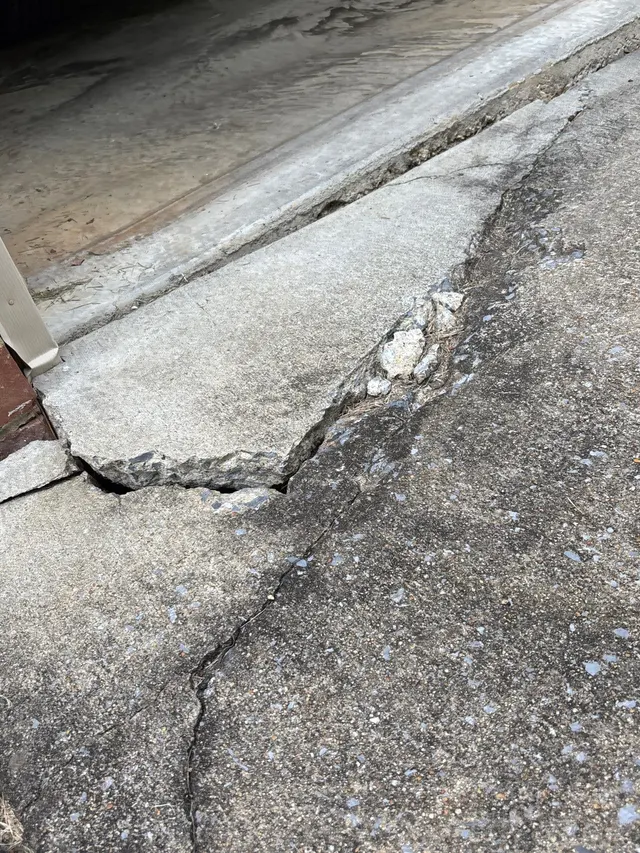
What Causes Pitting, Flaking, or Staining in Alabama Homes
Surface Scaling From Moisture Cycles
Water absorbed into the top layer of concrete expands and contracts with temperature and moisture, flaking and spalling the surface, especially where the finish was weak.
Salt and Chemical Exposure
De-icing salts, fertilizers, and chemicals attack the concrete surface, causing pitting and scaling over time, common on driveways and walkways.
Weak or Overworked Finish
Concrete that was overworked, finished with too much water, or cured poorly has a weak surface layer that pits and flakes prematurely.
Staining From Water and Contaminants
Standing water, rust, oil, and organic material stain the porous surface, and unsealed concrete absorbs and holds those stains.
Signs You Should Not Ignore
- A rough, spalled, or scaling surface
- Small pits, craters, or flaking top layers
- Dark or discolored stained patches
- The surface shedding grit or dust
- Damage spreading after wet or cold spells
How We Diagnose and Repair the Problem
- 1
Free On-Site Assessment
An APS technician visits your property, documents the symptom and severity, and reviews all related indicators to build a complete picture.
- 2
Root Cause Diagnosis
APS patches and resurfaces the damaged areas and applies a concrete sealer to protect the surface, stopping water absorption and slowing further pitting and staining.
- 3
Written Estimate
You receive a clear written scope of work and cost estimate before any repair begins. No obligation.
- 4
Repair With Transferable Warranty
All APS foundation repairs carry a warranty that transfers to future owners. Serving Birmingham, Mobile, Huntsville, and Columbus, GA.
“Pitting and flaking is the surface giving up because water keeps getting in. Patch it, resurface it, and seal it, and you protect the slab underneath.”
Frequently Asked Questions
Is surface pitting a structural problem?
Usually not on its own. Pitting, flaking, and staining are top-layer wear rather than soil or support problems. That said, a deteriorating surface absorbs water and worsens over time, so it is worth restoring and sealing before it goes deeper.
Can a flaking concrete surface be repaired?
Yes. Damaged areas can be patched and the surface resurfaced, then sealed to protect it. APS matches the repair to the extent of the wear and the use of the surface.
Why is my concrete flaking?
Most often from moisture cycling in a weak surface layer, plus salt or chemical exposure. Concrete that was overworked or cured poorly is especially prone. Sealing helps prevent it from recurring.
Will sealing prevent future damage?
Sealing significantly slows water absorption, staining, and surface scaling, which are the main drivers of pitting and flaking. It is a maintenance step APS recommends after resurfacing.