
What Cracking or Failing Expansion Joints Tell You About Your Concrete Repair
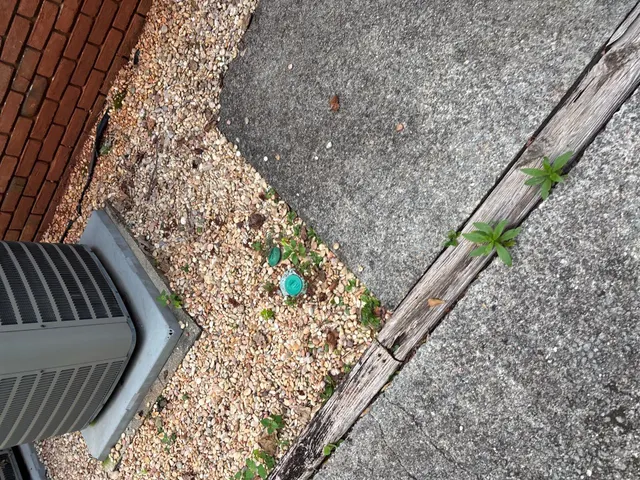
Cracking or failing expansion joints show as the joint material crumbling, gapping, or pulling loose, cracks forming along or beside the joint lines, and vegetation or debris filling the openings. Joints are meant to control movement and seal against water. When the sealant fails, water runs into the joint, erodes the base beneath the slab, and drives cracking and settlement outward from the joint. In Alabama's rainfall and clay, failed joints are a common starting point for larger concrete problems, and resealing them, after any settlement is corrected, protects the slab.
Alabama's heavy rain finds every failed joint, eroding the base under driveways and slabs, so joint repair and sealing is a frequent, preventive concrete service for APS in its markets.
What Causes Cracking or Failing Expansion Joints in Alabama Homes
Aged or Failed Joint Sealant
Joint sealant dries out, cracks, and pulls loose over years of sun and weather, opening a path for water into the joint and under the slab.
Water Erosion Through the Joint
Once a joint fails, rainwater runs through it and erodes the base beneath the slab, which is how a failed joint leads to settlement and wider cracking.
Slab Movement Overworking the Joint
Expansive clay flexing the slabs works the joints harder than intended, accelerating sealant failure and joint cracking.
Debris and Vegetation in the Joint
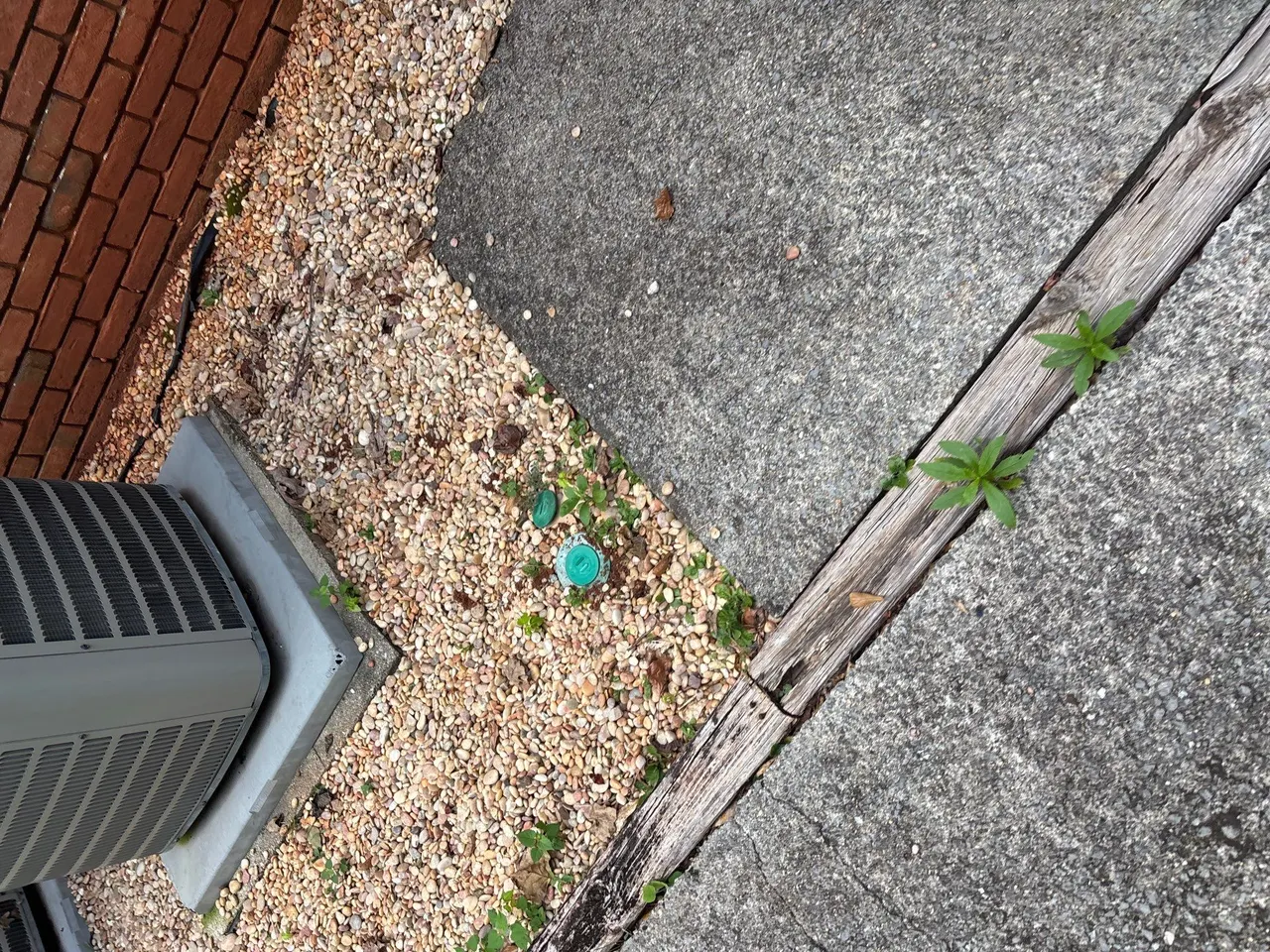
Open joints fill with debris and weeds, which hold moisture against the slab edges and can pry the joint wider over time.
Signs You Should Not Ignore
- Joint sealant that is cracked, crumbling, or missing
- Cracks forming along or beside the joint lines
- Water disappearing into the joints during rain
- Weeds or debris filling the openings
- Settlement or lips developing near a joint
How We Diagnose and Repair the Problem
- 1
Free On-Site Assessment
An APS technician visits your property, documents the symptom and severity, and reviews all related indicators to build a complete picture.
- 2
Root Cause Diagnosis
APS reseals the joints with durable joint and crack sealing after correcting any settlement, so the slab is protected from water and the joints do their job again. Lifting is done first where a slab has dropped.
- 3
Written Estimate
You receive a clear written scope of work and cost estimate before any repair begins. No obligation.
- 4
Repair With Transferable Warranty
All APS foundation repairs carry a warranty that transfers to future owners. Serving Birmingham, Mobile, Huntsville, and Columbus, GA.
“A failed joint is an open door for water under your concrete. Seal it right, after we fix any settlement, and you stop the damage at the source.”
Frequently Asked Questions
Why do my expansion joints matter?
They control where concrete moves and keep water out of the base beneath your slabs. When they fail, water erodes the support and slabs crack and settle, so maintaining the joints prevents bigger, costlier problems.
Can failed joints cause my slab to sink?
Yes. A failed joint lets water run under the slab and wash out the supporting soil, which creates the voids that lead to settlement. That is why joint failure and sinking slabs often appear together.
Is resealing joints a permanent fix?
Resealing protects the slab and lasts for years, though sealant is a maintenance item that is renewed over time. Where a slab has already settled, APS lifts it first, then seals, so the repair holds.
Can I just fill the joints myself?
A basic sealant refresh is possible, but if water has already eroded the base or a slab has moved, surface sealing alone will not stop the underlying problem. APS assesses whether resealing is enough or the slab needs lifting first.