
What Peeling Paint or Wall Cracks Tell You About Your Basement Waterproofing
This shows up as basement wall paint or sealer bubbling, flaking, or peeling, often alongside new or widening cracks in the wall. Peeling happens when moisture moves through the masonry and pushes the coating off from behind. Cracks appear when soil pressure or settlement stresses the wall. Seeing them together is common, because the same saturated-soil conditions that drive moisture through the wall also load it structurally.
Expansive clay across Alabama loads basement walls with both moisture and pressure through the wet season, so peeling coatings and pressure cracks often appear together in Birmingham, Huntsville, and surrounding markets.
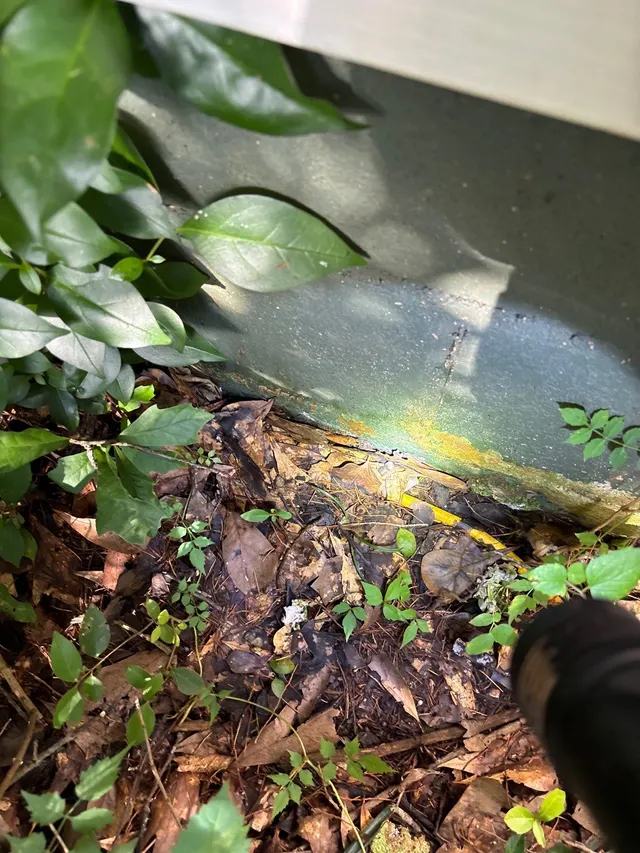
What Causes Peeling Paint or Wall Cracks in Alabama Homes
Moisture Pushing Coatings Off the Wall
Water migrating through block or concrete reaches the painted inside face and lifts the coating from behind. No surface paint bonds well against active moisture pressure, so it bubbles and peels.
Hydrostatic and Lateral Soil Pressure
Saturated Alabama clay presses on the wall. That pressure both drives moisture inward and stresses the wall, opening cracks, especially horizontal cracks in block, which are the pressure warning to watch.
Foundation Movement and Settlement
If part of the foundation settles or shifts, the basement wall cracks in response. These structural cracks differ from moisture-only issues and need the movement addressed, not just sealing.
Trapped Moisture Behind Non-Breathable Paint
Standard non-breathable paint on a below-grade wall traps moisture trying to escape, which accelerates peeling and can hide the dampness underneath until it is widespread.
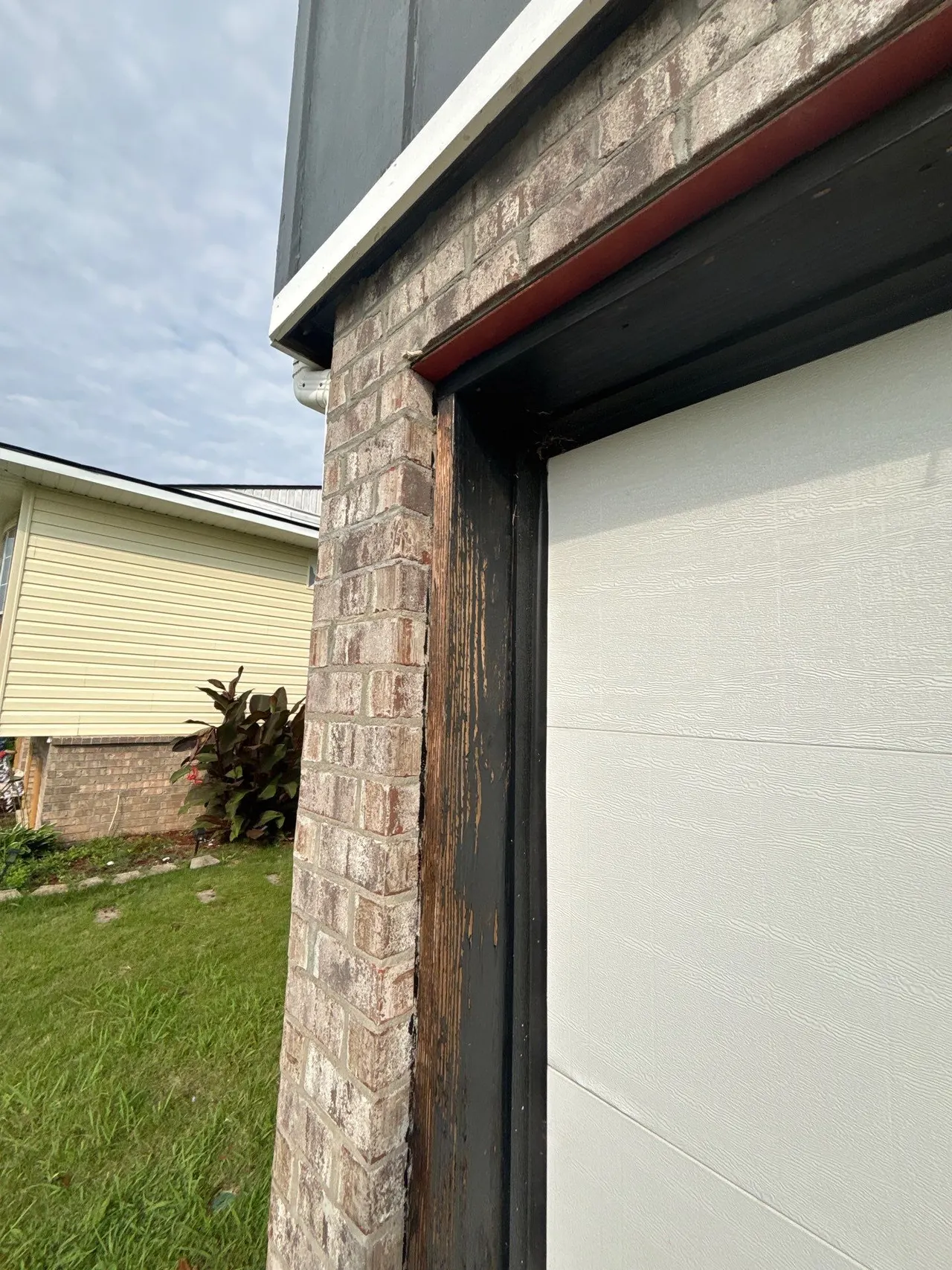
Signs You Should Not Ignore
- Paint or sealer bubbling, flaking, or peeling on basement walls
- New cracks, or existing cracks that are widening
- Horizontal cracking in a block wall, the urgent pressure sign
- Dampness or efflorescence behind the peeling areas
- Cracks with displacement, one side offset from the other
How We Diagnose and Repair the Problem
- 1
Free On-Site Assessment
An APS technician visits your property, documents the symptom and severity, and reviews all related indicators to build a complete picture.
- 2
Root Cause Diagnosis
The response depends on the mix: moisture-driven peeling is solved by waterproofing and drainage, while pressure or settlement cracks are stabilized structurally, for example with carbon fiber reinforcement or wall support, before the wall is refinished.
- 3
Written Estimate
You receive a clear written scope of work and cost estimate before any repair begins. No obligation.
- 4
Repair With Transferable Warranty
All APS foundation repairs carry a warranty that transfers to future owners. Serving Birmingham, Mobile, Huntsville, and Columbus, GA.
“Peeling paint and a new crack on the same wall usually share one cause: saturated soil pushing moisture and pressure against it. We treat the cause, then the wall.”
Frequently Asked Questions
Is peeling paint just a decorating issue?
Below grade, it usually is not. Peeling on a basement wall typically means moisture is pushing through the masonry from behind. It is a visible sign of a water path, so it is worth finding the source before repainting.
Are basement wall cracks dangerous?
It depends on the crack. Hairline vertical cracks are often minor, but horizontal cracks in block walls indicate lateral soil pressure and are the most urgent. Widening cracks or cracks with displacement warrant prompt evaluation.
Should I just repaint with waterproof paint?
Repainting over active moisture, even with waterproof products, generally fails because the water pressure continues from behind. The wall needs the moisture managed, and any structural cracking addressed, before a finish will last.
How does APS tell moisture from structural?
We inspect the crack pattern, check for movement and pressure signs, and identify the moisture path. That tells us whether you need waterproofing, structural reinforcement, or both, and we provide a written plan with a free estimate.